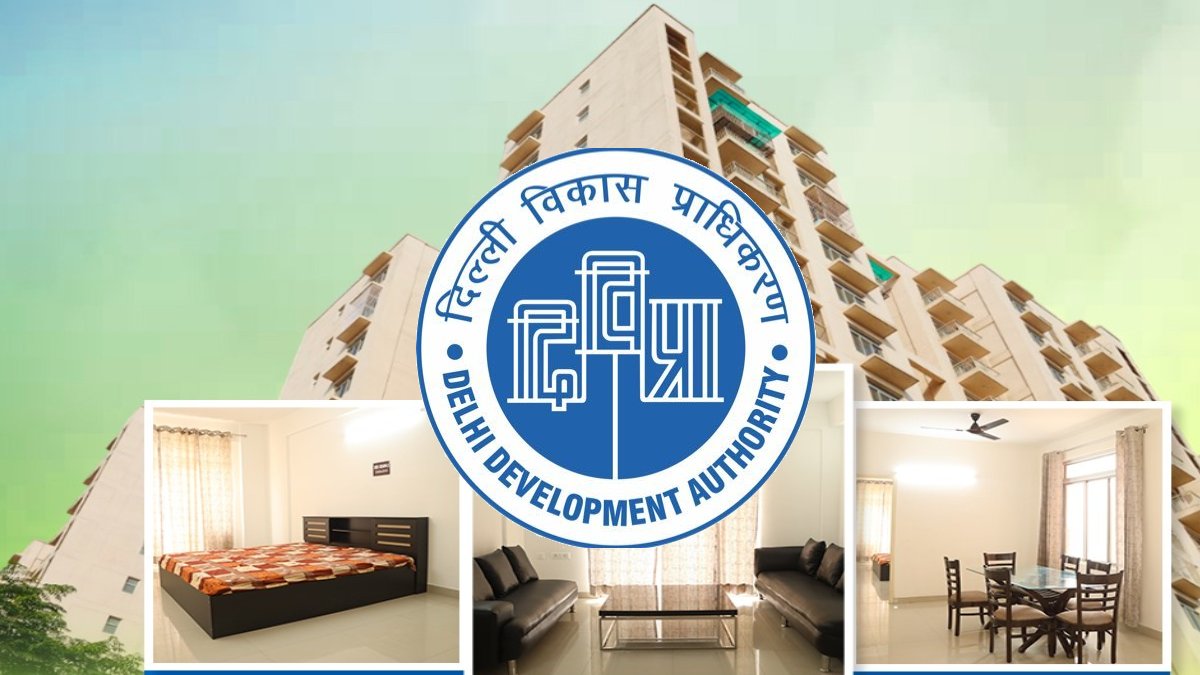
As part of a landmark policy shift to stimulate the real estate market and take pressure off family finances, the Delhi Development Authority (DDA) announced that it will no longer add parking charges to the base price of its residential flats. The new policy is due to shrink the total ticket size of DDA apartments dramatically, making them more competitive with private developers and at the same time, providing relief to thousands of prospective homebuyers in the capital.
Breaking the Price Barrier
Once upon a time, the price of a DDA flat was compulsory in the High Income Group (HIG), Middle Income Group (MIG), and Lower Income Group (LIG) categories and involved a parking fee. In prime areas like Dwarka, Vasant Kunj, and Jasola, they would charge anywhere from ₹2 lakh up to ₹5 lakh depending upon the size and the type of parking offered (stilt or open).
The DDA is also moving closer to an "unbundled" pricing model by divorcing parking charges from the flat price. What this implies is the house buyers are paying for the living space themselves first and for parking features as well if they have specific needs and budgets.
Why the Policy Shift?
The move follows detailed input from previous housing schemes that have found a steep net cost contributed to large numbers of apartment blocks not being sold.
- Inventory: DDA currently has quite a lot of unsold flats in Narela and Rohini that are still on the books. Lowering the raw cash flow is a major factor in increasing first-time buyer interest.
- Competitive Pricing: There are flexible payment plans available for private developers in NCR. By eliminating mandatory parking fees, DDA is narrowing the price difference.
- Emphasize Affordability: The move reflects the central government’s commitment to “Housing for All,” meaning the “all-inclusive” price will not discourage low- and middle-income earners.
Effects on Future Housing Proposals
The new pricing model applies early on the DDA Housing Scheme 2026. At the same time, buyers can expect the brochure prices to be cheaper for similar flat areas than in other years.

“It was a game-changer for me like that,” says Rajesh Khanna, a bank employee seeking an MIG flat. “In the past, there was an additional cost of parking that limited loan eligibility. Now, with a lower home base price it is a lot easier to secure a home loan.”
What Happens to Parking?
As parking charges have been erased from the flat’s price, this does not mean parking is free. DDA officials explained that parking spaces will be managed on their own through an allotment or a one-time usage fee that buyers can pay later. That lets the buyer put the cost down until a later date or decide to skip paying if they don’t have a car, thus reducing the cost of entering the home.
This reorganization, which is being implemented as a major administrative change, is likely to prompt an increase in applications for DDA’s new allotments phase, breathing new life into Delhi’s public housing sector.