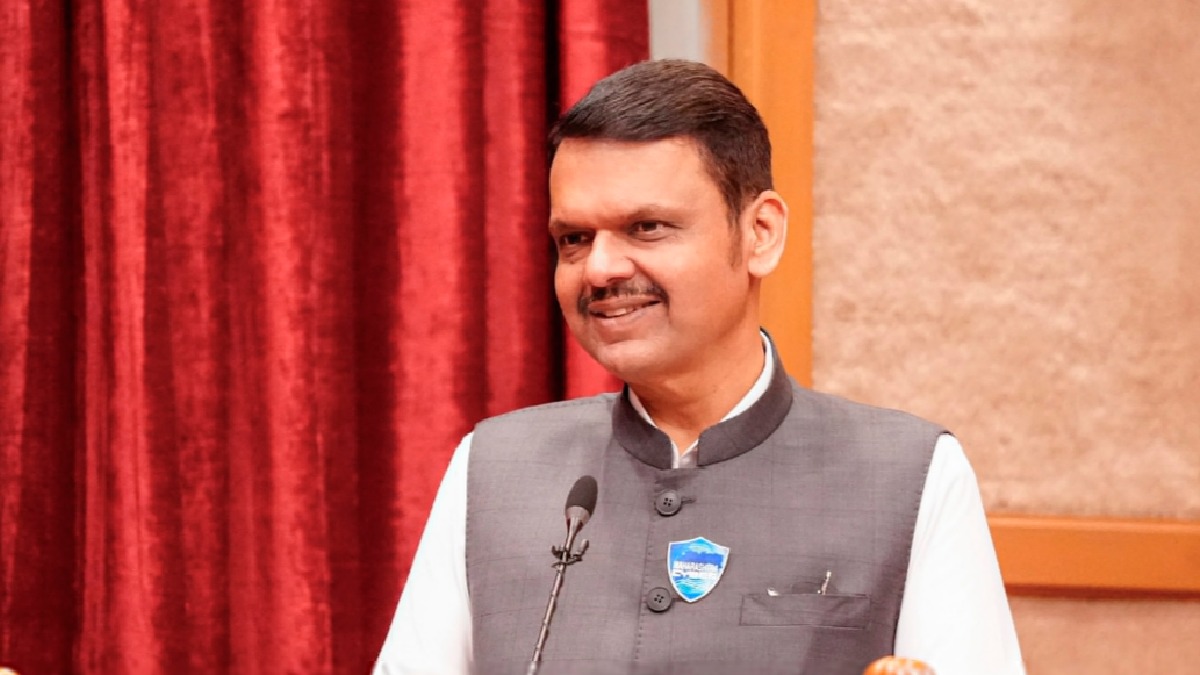
Maharashtra Chief Minister Devendra Fadnavis has been given more power under a new government notification that allows him to override a minister’s decision if he believes it is in the larger public interest to do so.
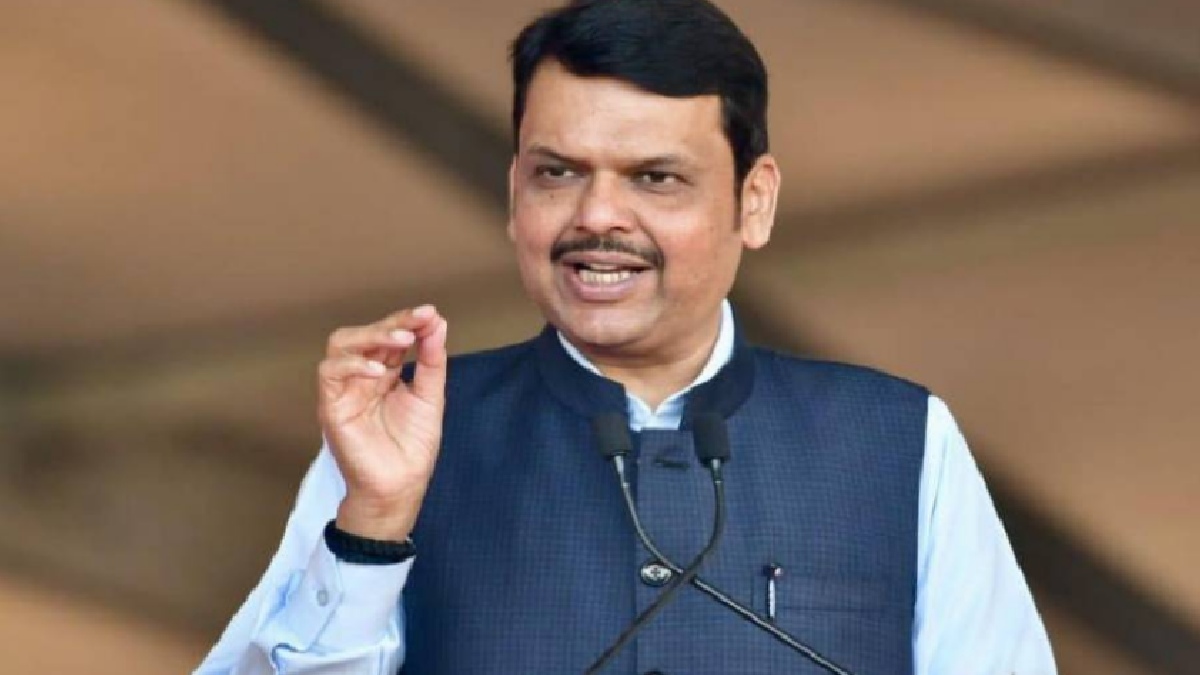
The government’s action has been received with great attention in Maharashtra’s political circles because it bolsters the Chief Minister’s authority to solve a conflict of government decisions and puts him as the supreme authority in the matter of interpretation in what is called dispute resolution.
According to the notification cited in reports, the Chief Minister can exercise this authority when a ministerial decision needs to be reconsidered in the larger public interest. However, it is not understood that quasi-judicial matters are outside that scope. The notification also requires any such intervention or decision by the Chief Minister to be formally recorded in writing.
Decision taking is important if it is documented because it is an official record of the circumstances in which the Chief Minister decides to intervene. It is written documentation that allows for clear reasoning behind decisions and clarity of the administrative procedure when questions arise for how a specific matter was handled.
In the report there is also the very nature of the notification which is that the rules will be interpreted differently and the Chief Minister will take over: he will be the boss. This may allow for division of departments and prevent them from being confused for a long time.
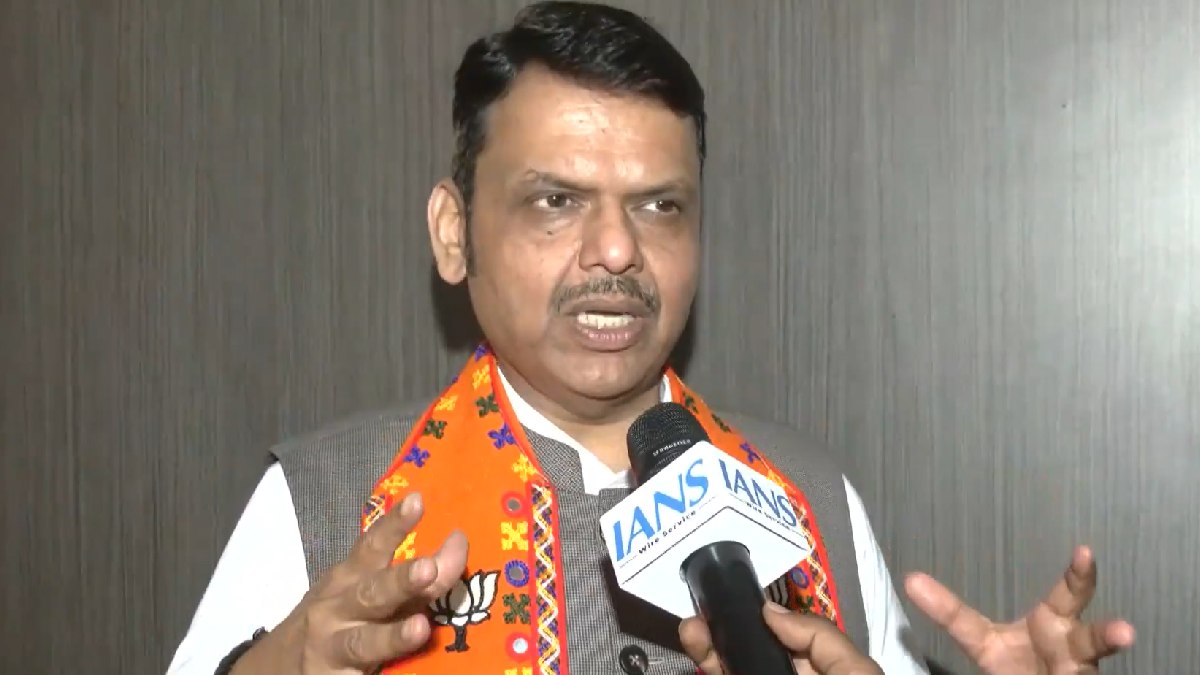
The move has also put a new emphasis on the role of the Chief Minister in the administrative structure of Maharashtra further. Ministers are responsible for their responsibilities and mainly do so for their departments. However, if the Chief Minister can intervene in the larger public interest then coordination and oversight at the top of the state government is made more possible.
The provision may be particularly valuable if decisions are made by multiple departments and disagreement or the issue is not limited to a ministry. In government decisions, priorities can clash, budgets can be challenged and public concerns may be concerned. A central mechanism to resolve such disputes may help the administration come to a definitive conclusion.
At the same time, the change that has been reported has already raised questions on the balance of power within the Maharashtra government. Ministers with their portfolios are responsible for their responsibilities in a cabinet and all serve collectively under the leadership of the Chief Minister. Any decision that allows the Chief Minister to override individual ministerial decisions will be considered to be political and administrative in nature.
The same thing must be said of quasi-judicial matters. Such matters usually involve decisions which need judicial or adjudicatory consideration. If you exclude them from the Chief Minister’s reported overriding power, then it means that the provision has some limits but not a total power over all ministers or government officials.
The written record requirement could also be important from an accountability perspective. If the Chief Minister overrides a ministerial decision, then reasons and circumstances are to be documented. It could also help to be transparent in government and make clear why the original decision was considered unsuitable in the larger public interest.
The administration can use the provision to efficiently resolve conflicts between departments. If the Chief Minister is empowered to resolve such issues in a specific case, decisions can be reached more quickly. It can be hard to see any case of government policies and projects being delayed because departments have different priorities and the people may not always agree on things (the government policy and projects).
However, the effectiveness of the new provision will ultimately depend on how it is applied. “Larger public interest” may cover a wide range of issues and its application in individual cases might be the matter of interpretation. The need for written orders may therefore become particularly important in ensuring that interventions are based on identifiable administrative or public-interest considerations.
The development comes when Maharashtra continues to deal with complex policy matters which include infrastructure, urban development, agriculture, industry, welfare schemes and public services. Many such issues are complex and require coordination between several government departments. Better coordination at the Chief Ministerial level could help the government tackle some of these issues that are not easily addressed in a single ministry.
The notification can mean that ministers might find decisions of such a high level of government at the highest level of government might face greater scrutiny in terms of cross-departmental or state or national level of decisions. That is not to say ministers lose their authority over their departments, but it does mean the Chief Minister can intervene when the Chief Minister has a broader public interest in mind.
The provision could also shape how administrative disputes are handled internally. Rather than allowing ministers or departments to go on to disagree over the issue indefinitely, the Chief Minister can make the final call to interpret what an interpretation is, it seems. That might create more certainty for those government officials who must make decisions.
Politically, the notification has the potential to be a significant topic of discussion as it solidifies Fadnavis’ position in the executive decision making process in Maharashtra. His position as Chief Minister already places him at the head of the state government, and the reported provision provides a formal mechanism for resolving some ministerial disagreements.
Supporters might see it as a step toward better coordination and faster decision-making in the public interest. But critics might wonder that the more centralising the government is the more of a threat to the autonomy of individual ministers. The impact is almost entirely in the case of the provision being used.
The exclusion of quasi-judicial matters and the requirement for written decisions set out some important boundaries around the reported authority. These safeguards suggest that the provision is intended to operate in a specific administrative framework rather than giving the Chief Minister complete power over all ministerial or government decisions.
The question for citizens is whether the change actually leads to better governance and quicker resolution of problems in public services. Obviously, administrative rules matter most when they yield better implementation of policies and decisions on the ground.
The recent notification is therefore an important development in Maharashtra’s administrative system. By allowing Chief Minister Devendra Fadnavis to override some ministerial decisions in the larger public interest, requiring written documentation and making his interpretation final in cases of doubt, the government has strengthened the Chief Minister’s role in resolving contentious matters.
The coming months will see how frequently the provision is used and what kind of decisions are being made in the case of the new rule. The notification has now reignited the debate on ministerial responsibility and Chief Ministerial authority in Maharashtra, with Fadnavis positioned as the final decision-maker in the situations covered by the new rule.