language is more than communication it is the storehouse of our culture, history and identity. Fluency in English is now seen as a sign of progress, a path to a career and intellectual development in an increasingly globalized world.

International languages are helpful but never at the expense of our native languages. So fluency in one’s mother tongue is decreasing and this has become pride in not knowing it.
There was a lack of English education for many people and many of them could not understand the language fluently at the time.
Now that’s all gone. English proficiency is up native literacy is down. If you take 10 people at random, as many as eight can’t read and write in their native tongue Tamil, too, in many communities. A cultural change has been a big cultural loss.
It’s a sad fact that we are world-class in global mediums but are quickly becoming illiterate in the languages that define our ancestors.
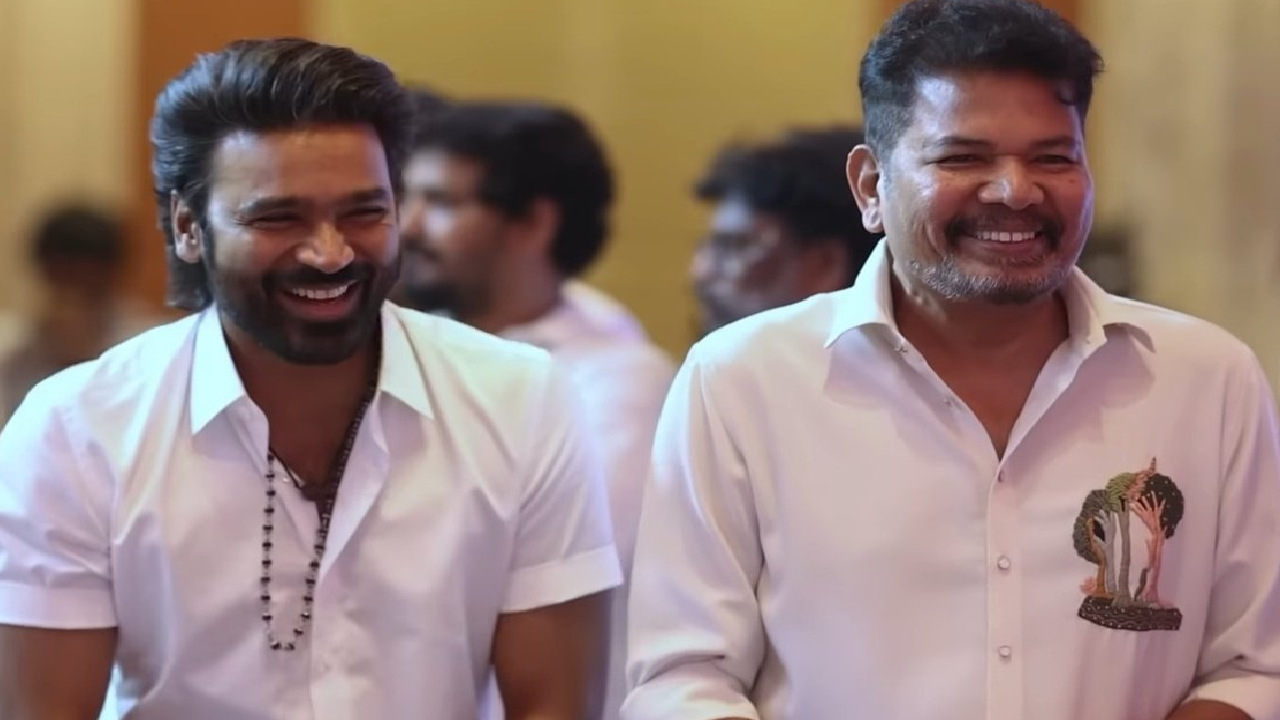
This linguistic negligence is not in line with the way in which native languages are perceived worldwide. Imagine working on an international film set, for a French production in Belgium. When local creators ask an international crew member if they speak English, a positive answer is often met with surprise.
#Dhanush's Latest Speech about Tamil:
— Laxmi Kanth (@iammoviebuff007) August 5, 2026
• When I was studying, I didn't know English very well. Now, it's the opposite. Out of 10 people, 8 don't know how to read or write in Tamil. That's a sad thing.
• I worked on a French production in Belgium. They asked me whether I knew…
To European ears, learning one’s mother tongue is the standard of cultural literacy and English is really just a bonus to work globally together. And European countries pride themselves on their language heritage and are proud of it. They are confused when people from rich linguistic traditions look to foreign tongues over their own.
In some contemporary social circles, casually saying “Tamil varala” (I don’t know Tamil) has become a badge of sophistication or higher status. In fact, not being able to speak, read, or write your native tongue is not something to boast about it is a source of shame.
The lack of interest in your mother tongue tells us that you are out of touch with your roots and completely ignore centuries of literary and cultural heritage.
Fluency in English opens the world, but your mother tongue is who you are. Learning global communication does not mean forgetting your roots.
Knowing your native language first is a crucial responsibility. It is time to change our focus, shed our false pride in linguistic detachment and understand that our mother tongue is the bedrock of our cultural safety.