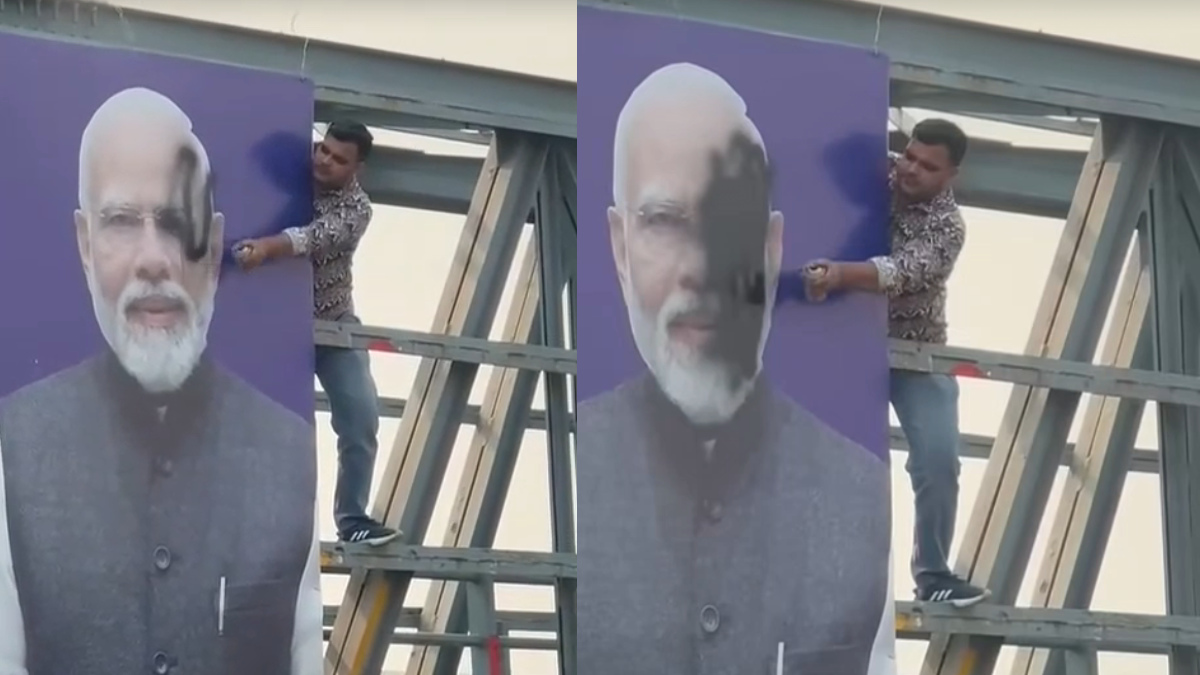
The new era of the digital revolution is not the same as old ways of communication that we used to know as social media and the digital era. They have over time gone from powerful public forums to powerful social media forms for shaping opinions and rallying movements, to tragic tools of character assassination.

Freedom of expression is a fundamental component of a healthy democracy but, if abused, it can lead to epic internal tensions. A recent Facebook post that went viral about the Indian Prime Minister is a powerful reminder of digital discourse and what legal tools we have on hand to protect it.
The Anatomy of the Controversy
The crux of this legal firestorm is a Facebook page listed as “Bindu Sira.” The account was infamous for generating a widely disseminated, highly derogatory, and photoshopped image of Prime Minister Narendra Modi. The image wasn’t just a political caricature; it was a highly orchestrated character assassination campaign in digital form.
The picture depicts the Prime Minister in a contorted manner, obscuring himself with papers that inscribed the words “Epstein Files,” including one of the slogans in the image. By linking the Prime Minister and the now infamous, world-wide (and widely resented) case of Jeffrey Epstein, the post became far from satirical and became an overt act of defamation. And with the image going viral, a flood of public frustration ensued especially among people who believed it was an attack on the honor of a high constitutional office.
Intervention in the Courts and the Police
It wasn’t only people such as this who were attacked. An immediate impetus to take legal action in the real world was the notice of Ramita Suryavanshi from Karkala Taluk in Udupi district to be alarmed by the digital smear campaign. She lodged an official complaint against the local police which, it found, showed disrespect for the Prime Minister and posed a risk to communal harmony and public peace.
After being confronted with these challenges, the Karnataka Police has now officially put forward a First Information Report (FIR). The investigation is now in the hands of the Cyber Crime division to follow the digital trail of the 'Bindu Sira' account. That action illustrates that in the world of the internet, the anonymity does not protect you from the law of the land.
Political Escalation's Social Responsibility
Politicized, and before long, the issue politicized, when the BJP Karnataka unit intervened. Party leaders registered formal charges with the police saying the post was the latest part of a campaign of systematic propaganda. They said it also constitutes a crime to use technology to promote misinformation and misinform the public that requires comprehensive research into which networks those accounts are operating within.
This problem, in the digital age, has two big lessons:
- Freedom v. Defamation: Freedom of speech isn’t allowing defame. But constitutional rights don’t protect from deliberate damage to a person’s reputation.
- Digital accountability: Every share, like and post can bear some legal weight. Current laws on cyber today are strong and rapidly evolving, digital evidence is utilized by courts to capture victims of online harassment and defamation in more comprehensive fashion.