While the global weather continues to intensify during the hottest summer months in India, there is a practical and cost-effective DIY roof cooling system that is trending online, which has a good effect in reducing the temperature of the interior.
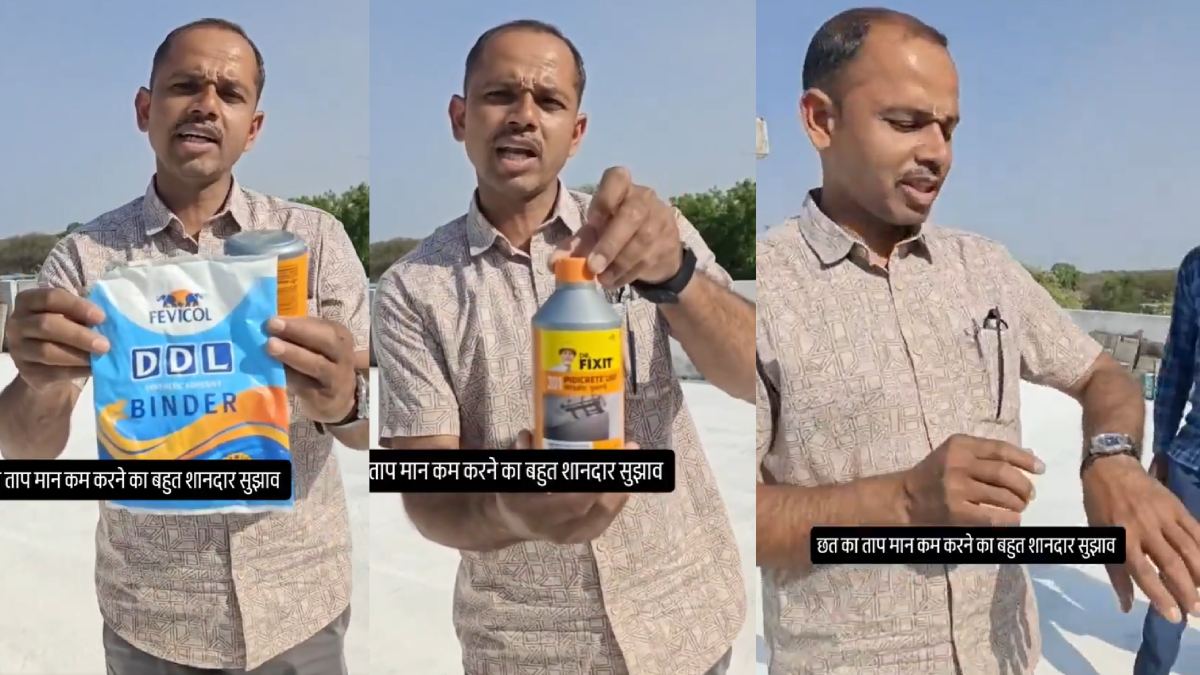
Viral video by Dinesh K Sen: Homemade lime roof coating can help reduce roof surface temperature by 15°C, even providing some heat relief for less than Rs 800. The clip goes viral after showing how a barefoot man puts a cooling mix of some basic household and construction materials like lime powder, water, salt, and Fevicol together.
Those ingredients are prepared into a thick paste and then spread in two coats on a rooftop. Supporters and users of the method say the reflective coating prevents excessive heat absorption by concrete roofs and provides a barrier against sunlight and reflects it. Low-cost, accessible tool, very much appreciated by the public.
Coating a 500 square foot roof can cost anywhere from Rs 500 to Rs 1,000, so it is an attractive option for low-income households and even those who can only afford to stay in the hottest places in the world. Many users who tried this method for the first time claimed that after installing a coating, indoor temperatures dropped by around 4°C to 6°C at most in single-story houses.
This cooling effect is especially obvious in houses with direct roof exposure, where heat emanating from concrete terraces can render indoor conditions extremely hot in the afternoons and evenings. The idea behind the DIY solution, experts say, is akin to a “cool roof” invention, a type of product that uses a reflective material or coating to lessen heat absorption.

"लोग AC पर 20-30 हजार खर्च कर रहे हैं...
— DINESH K SEN (@dks_230) May 27, 2026
ये भाईसाहब ने छत पर जो किया, उससे 15 डिग्री ठंडक फ्री में!😱 pic.twitter.com/6wBRbBoJ5I
White or light colours naturally reflect more sunlight and absorb less heat than dark surfaces. In many parts of India, these traditional Indian homes originally utilised lime coatings or whitewashed roofs for that purpose before the arrival of contemporary construction materials. Interestingly, similar cooling techniques on a massive scale have already been applied in certain regions of India.
Government-backed cool roof projects, including ones in Chennai, were said to blanket almost a million homes with reflective coatings and cooling materials. And projects like those produced impressive indoor data, which showed temperatures dropped dramatically, while electricity is used and cooling is considerably cheaper in some households, declining by almost 20%.
But there are drawbacks to the DIY strategy, experts noted. Because the coating is subject to rainfall, dust, and dangerous weather, it may sometimes need to be reapplied once a year to be fully effective. The cooling advantages are also less likely for multi-story apartment buildings or densely wooded shores, which have a significant influence on ventilation and structural design on indoor comfort.
Even with these constraints, the viral hack resonated among people searching out affordable, cheap and green means to respond to extreme summer heat without using air conditioners or expensive systems for cooling air conditioning; many thanks to the simplicity and simplicity social media of the method, which the researchers found. Its method is simple enough that some people have lauded social media users on that side of the pond for praising it and also claiming it would help families facing high electricity and rising temperatures, which are forced by ever-rising electricity bills.
With heatwaves becoming more and more common in India, low-cost cooling solutions, like reflective roofings, for example, are set to attract great attention in the ensuing years as individuals and their governments move towards actual solutions that are practical.