Karnataka Chief Minister D.K. Shivakumar has announced a new governance initiative, ‘Praja Seve ’, to take government to the people and make it easier for citizens to raise and resolve their grievances.
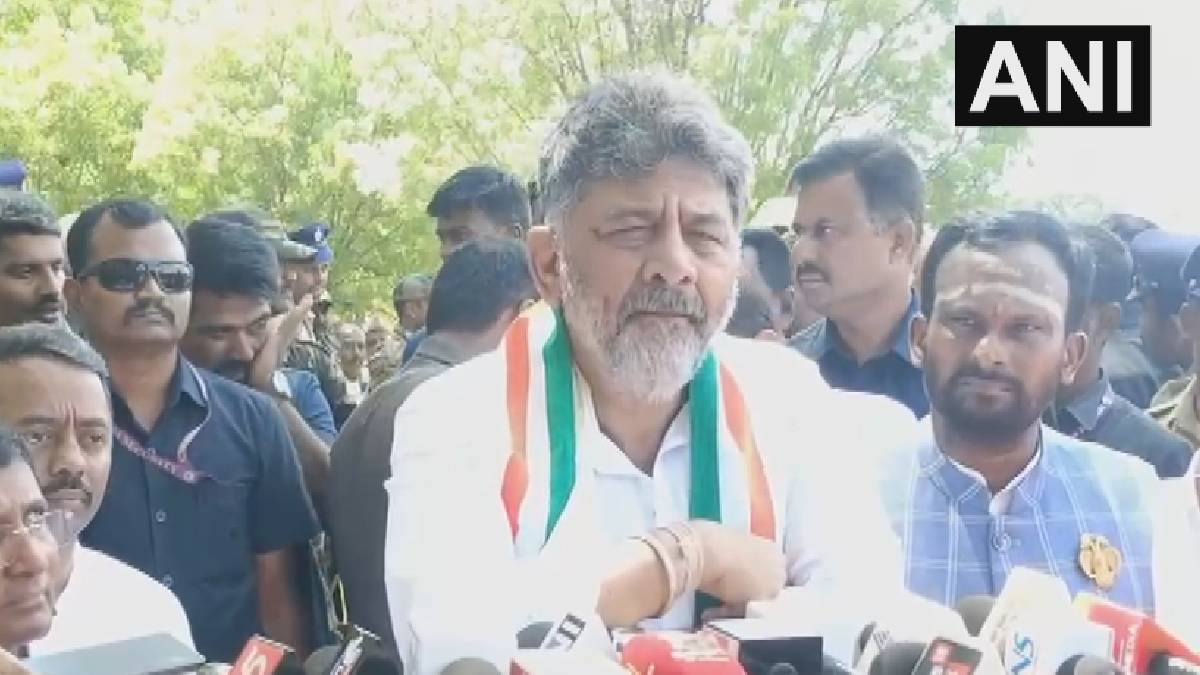
Shivakumar said the government is working on a new system to make sure ministers and MLAs directly address their community, whether they are talking to people in their constituency directly or from the perspective of their constituency. The programme is based on the notion that citizens do not need to go back and forth to government offices to complain and get things solved over and over again, he said.
Shivakumar said he would visit the holy Kudalasangama and offer puja at the Sangama before launching the Praja Seve programme. Kudalasangama, located in Bagalkot district, is a popular pilgrimage centre associated with Basavanna and the junction of major rivers in the area.
The Chief Minister said Praja Seve is trying to build a working model that would be a model for the rest of the country. It is about making administration more accessible and getting elected representatives and government machinery closer to citizens.
Under the new system, ministers and MLAs would be expected to listen to public grievances in their constituency on two Saturdays every month. The idea is to allow people in the constituency to always have contact with the ministers and MLAs to meet with local people on Saturdays every month to talk to representatives of their constituency to resolve local community problems and seek administrative help, to get the community’s concerns.
The concept is based on an initiative already being developed by the Karnataka government. The Praja Seva Department had already announced in past announcements that it would improve grievance redressal, simplify administrative processes and improve citizen feedback. The government has also discussed making the procedure applicable at the taluk and panchayat levels.
Shivakumar had said ministers would visit taluk offices on the first and third Saturdays of every month to talk to residents directly to hear about public grievances in July. The idea was to bring senior representatives closer to the people so they wouldn’t be forced to go to departmental offices to solve problems.
This new move suggests that the Karnataka government is trying to extend this people-facing process to a bigger governance model. Instead of viewing grievance redressal as an administrative process in government offices, Praja Seve is being positioned as a forum for officials and elected representatives to meet citizens face-to-face.
Shivakumar also used his Bagalkot appearance to respond to government politics by the BJP. As for another BJP padayatra, he said BJP leaders were free to undertake other padayatras but should first introspect on their own tenure in government.
The comments come at a time when the Congress government and BJP are in a political tussle in Karnataka. Padayatras and public campaigns are now more and more important for both parties to mobilise their supporters and to highlight issues to voters.
Shivakumar’s Praja Seve announcement, instead, is more about governance than it is political mobilisation. The proposed system would make public representatives more accountable for the things happening in their communities because public representatives would be more accountable for the problems going on in their communities.
A separate Praja Seva Department has already been proposed to handle public grievance redressal. The government had already promised that it would take responsibility for integrated grievance management, time-bound resolution of public issues, process simplification and citizen feedback. Technical support (e.g., digital grievance systems) was also proposed to enhance the initiative.
The doorstep-governance model could be useful for citizens confronted with problems from different departments, if complaints can be routed to the appropriate authority without having to make a repeat visit to government offices.
Praja Seve’s success will ultimately depend on implementation. Regular grievance meetings, clear accountability, follow-up mechanisms and time-bound action are important if the programme is to lead to measurable improvements in public service delivery.
For now, Shivakumar’s message is clear: the government should go to the people rather than making people chase the government. Ministers and MLAs are to hear grievances directly twice a month, and Karnataka is trying to take a more visible and citizen-centred approach to administration.
The launch of Praja Seve will be closely watched, particularly in terms of how well complaints made in these meetings are tracked, resolved and followed up. If successful, it could become an important part of the Karnataka government’s governance strategy.