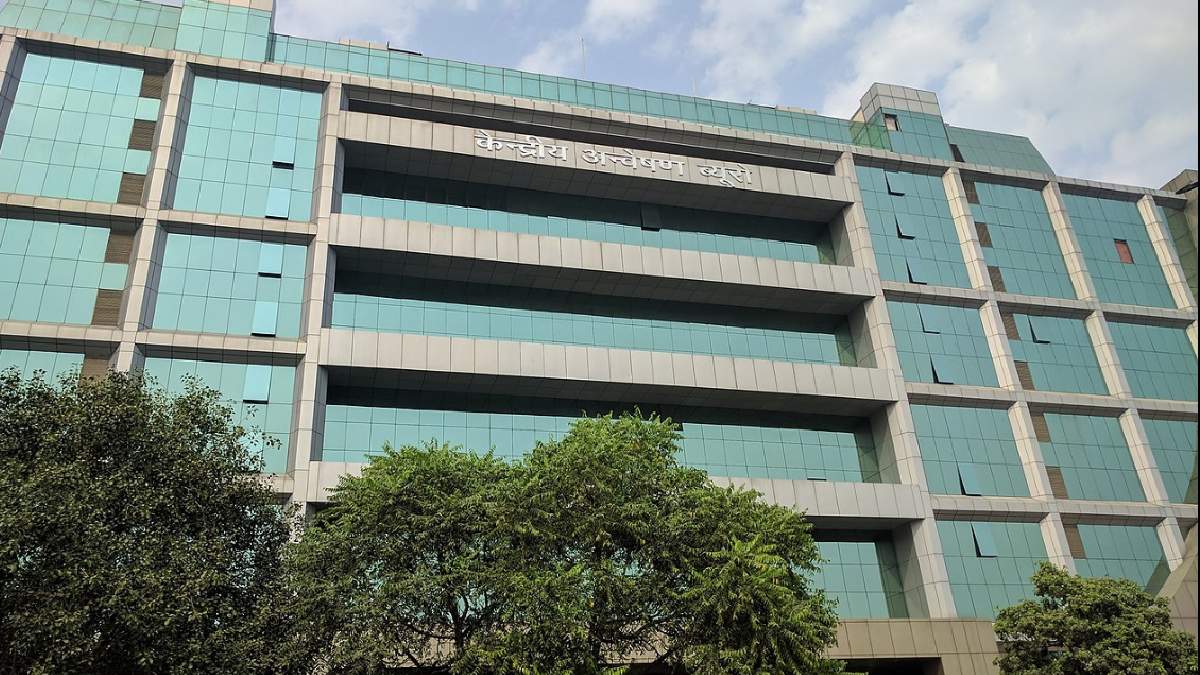
Chandigarh: The Central Bureau of Investigation (CBI) has told the Punjab and Haryana High Court that it has no objection to taking over an investigation into corruption, illegal gratification and alleged quid pro quo arrangements in Punjab if the court decides to entrust the matter to the central agency.
The development is connected to a public interest litigation (PIL) made before the High Court seeking a court-monitored CBI investigation into allegations of an alleged ‘cash-for-transfers’ and institutional corruption racket linked to the Punjab Chief Minister's Office (CMO). The allegations made in the petition concern many aspects of government functioning and have led to calls for an independent investigation.
According to the allegations before the court, illegal gratification was sought or traded in relation to transfers and postings of government officers. The PIL also raises claims of interference and influence in government decisions, tenders, contracts, licences and official approvals. These allegations remain claims made in the petition and have not been established by the CBI or the court.
The petition also relates to Change of Land Use (CLU) as well as some other land-related matters. Other issues alleged to be facilitating some builders and developers and financing were also mentioned. The petitioner has claimed that this is part of a wider system of quid pro quo.
The petition has relied on the material the petitioner has used in asking for a transfer of the investigation. The petition refers to a letter that the Directorate of Enforcement should have sent to the Punjab Director General of Police based on the information it has provided.
The PIL further asserts that some people in senior positions in the state administration might be linked to those matters. The petitioner has so far sought judicial intervention and a court-monitored investigation by the CBI, saying that an independent investigation would bring the facts to light.
In the process, the CBI has been in a very cautious position in the High Court. At this stage, it will not be appropriate for it to comment on the correctness, veracity or merits of the petition, it has said.
The CBI has also declined to comment on the material used by the petitioner. Similarly, the agency has not commented on allegations of the alleged action or inaction of Punjab Police or vigilance authorities. This means that the CBI's answer should not be interpreted as evidence of the corruption allegations proven true.
The central agency has left the question of whether it should conduct the investigation entirely to the High Court. The CBI has said that determining whether the facts and circumstances warrant entrusting the matter to the central agency is something for the court to consider while exercising its constitutional jurisdiction.
The CBI’s response is to say that it has no objection if the High Court hands over the investigation to it. If so, the agency will act within the law and any direction given by the court.
The CBI has also said that if it is asked to investigate, appropriate instructions may be issued to the concerned authorities and agencies to preserve and hand over relevant records. These could include government documents, electronic data, official files and other material considered necessary for the investigation.
Such preservation of records could be crucial if the High Court does ultimately order a central investigation. Transfers, postings, contracts, land approvals and financial transactions might involve official correspondence, administrative records and electronic evidence.
Thus, the CBI's position is one of willingness to investigate if the court says so, not support of the allegations themselves. The difference is that the agency has not commented on what the PIL claims are.
The matter now lies with the Punjab and Haryana High Court. The court will consider the pleadings, the CBI’s response to them and material before deciding whether the situation calls for the transfer of it to the central agency.
The case would have further implications for transparency and accountability in state administration and transparency and accountability in the public's relationship with government. If a CBI investigation is ordered, it would need to investigate on its own and look into the allegations independently because the allegations would need to be examined if there is evidence of illegal gratification, manipulation of official processes or quid pro quo arrangements.
However, at present, there is no evidence of wrongdoing on the part of the Punjab Chief Minister’s Office or any individual just because the allegations have been raised in the PIL. The next major development will be the High Court’s appraisal of what has been said and its determination on whether a CBI investigation is warranted.