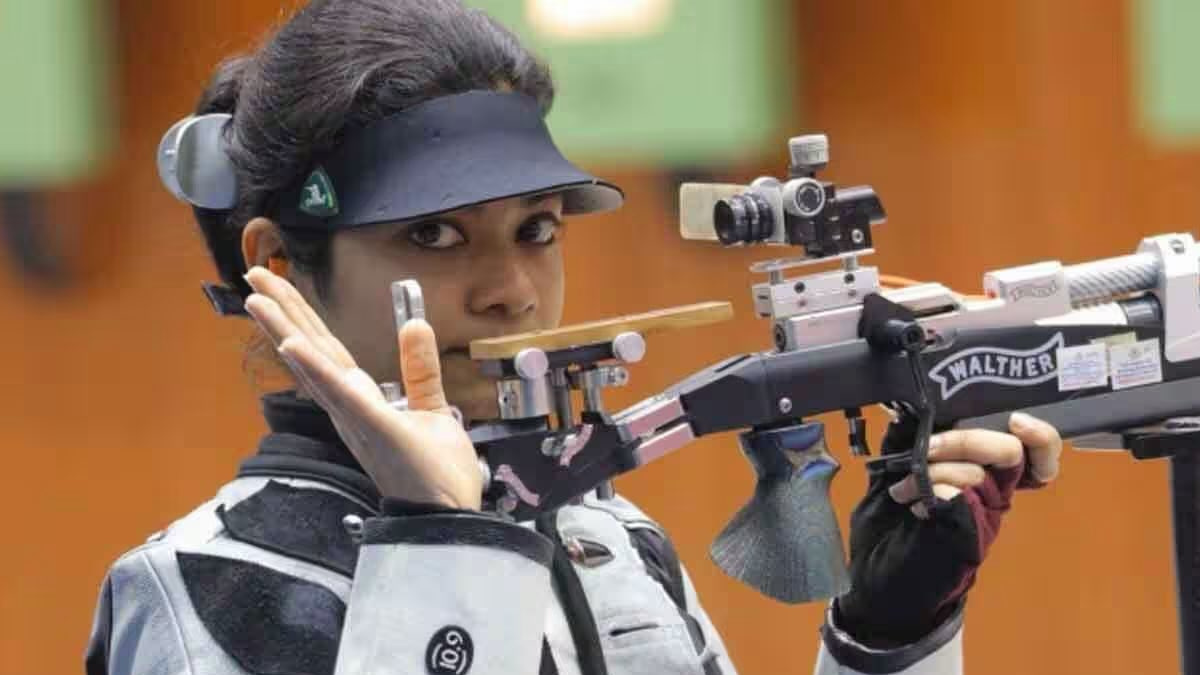
Students across India are calling on policymakers to change the present education system as it is and demand reforms that take us from rote memorisation and high-pressure exams in the classroom to a system that is more realistic for students and better prepares us for the real world and the future.
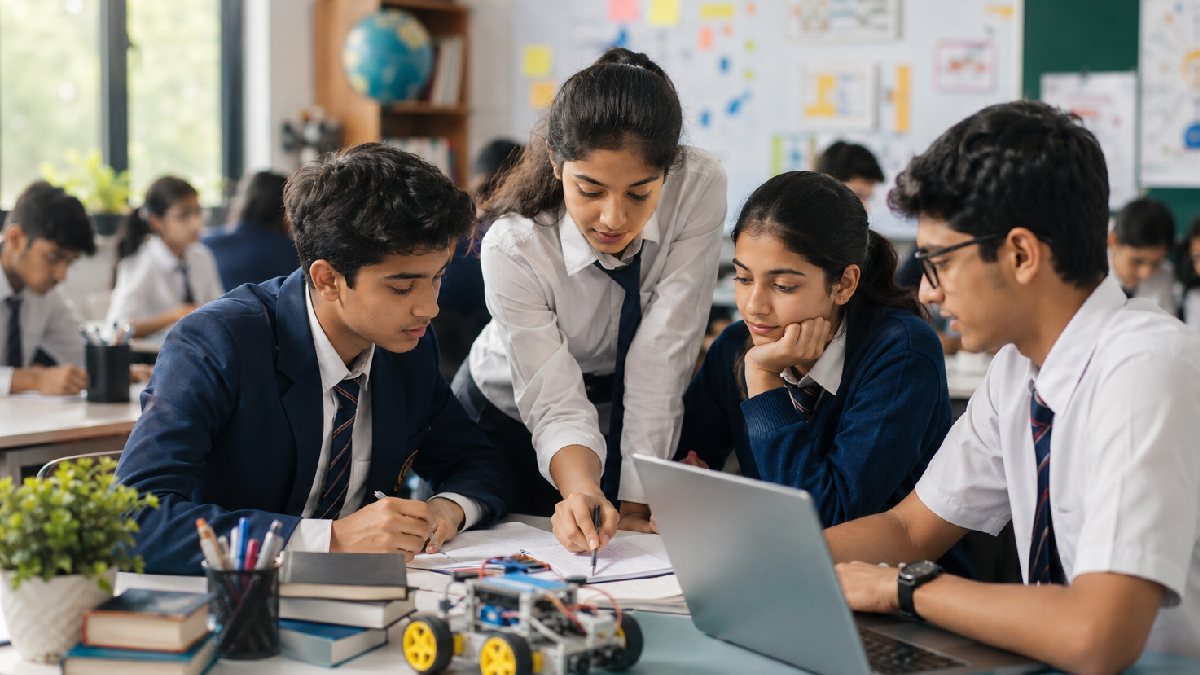
Students say the success of schools is no longer based on exam scores alone but on creativity, communication skills, empathy, emotional intelligence, and problem-solving skills, and that these are skills that are needed in a fast-changing world of technology and artificial intelligence.
Beyond Textbooks: Why Critical Thinking Matters
One of the biggest demands students have is that we go away from rote learning and go to concept-based education. They argue that classrooms are more concerned with memorising information than they are with teaching students to think about ideas and learn to ask questions and use that knowledge in the real world.
Andrea Lallianhlui, a student of Delhi Public School, R.K. Puram, is originally from Mizoram, and she noted that academic distinction alone doesn’t necessarily mean professional competence. Many of the high-achieving students may excel at the exams but struggle with empathy, communication, and interpersonal skills, which will be crucial in medical practice.
Students believe entrance exams for medicine and engineering courses should evaluate personality traits, ethical thinking, and communication skills as well as academic performance. They say such an approach would produce knowledgeable people as well as compassionate and socially responsible individuals.
Preparing Students for the Future Workplace
The future job market demands far more than being a textbook learner, students said. In view of global employment trends, they said technological advancements, automation, and artificial intelligence are revolutionizing industries at an unprecedented rate.
According to the World Economic Forum’s Future of Jobs Report, by the end of the decade, a significant portion of workplace skills will be evolving, and practical experience and adaptability are key. Schools should incorporate hands-on work, project-based education, internships, and digital skills into the curriculum to better prepare graduates for today’s jobs, students believe.
They say practical education should be a pillar of education, and not a secondary component in the academic system.
Reducing Dependence on Coaching Centres
Another issue is the increasing reliance on private coaching institutes. Students say that the current system frequently pushes families to a greater reliance on coaching because classroom teaching is always about the syllabus and not about understanding concepts.
Many believe that the pace of teaching takes a lot of time to absorb complex topics, particularly in Physics, Mathematics, and Chemistry. And so those with little to no money for coaching are at a disadvantage.
Students argue that improving the quality of school education with novel teaching methods, smaller learning gaps, and concept-based instruction would reduce the need for private coaching and make education more equitable for students of different socio-economic backgrounds.
Greater Flexibility in Subject Choices
As a result, students would also like a more flexible curriculum that is based on their interests and career aspirations. Instead of all students taking the same subjects at the same level, they propose that students can choose some major and some minor subjects after Class 8.
In this model, students interested in engineering or medicine would be able to pursue advanced Mathematics and Science courses, while others would be able to take the standard courses they would choose according to their career path. This flexibility, they hope, would make academic preparation less challenging and lead students to get more involved in subjects that they truly want to pursue.
They also suggested adding a buffer or transition year between Class 10 and Class 11. They say the jump in difficulty between secondary and senior secondary education is often overwhelming, particularly for students without prior coaching support.
Rethinking High-Stakes Examinations
The most important demand is for a complete overhaul of the Board examination system. Students feel that a single examination should not determine an individual's future.
Instead, they suggest that Board examinations account for only 50-60 percent of the final assessment, and the rest is made up of practical work, research projects, classroom participation, skill learning, and continuous assessment. They argue that such a model would also help with examination anxiety and promote consistent learning throughout the year.
Students have also suggested simplifying the college admission process by reducing the number of entrance tests. Suggestions include multiple entrance tests every year, heavier weights for the Class 12 board marks, and reconsidering the necessity of multiple competitive tests for admission to top universities.
Some students also suggested that examinations such as CUET should be reformulated to address the unequal access to coaching and educational resources between urban and rural students.
Quality Education, Not Just More Seats
Students are in favor of increasing the number of seats in medical colleges, IITs, NITs, and other higher education institutions, but expansion alone won’t solve the problem.
They note that equal attention must be given to infrastructure, faculty quality, laboratory facilities, curriculum design, industry exposure, and placement opportunities. They believe that more high-performing institutions in the country would reduce the competition for a limited number of seats.
Students suggest that governments could make use of existing infrastructure in the short run by bringing in additional academic shifts where possible, and invest long-term in institutional development.
A Vision for Holistic Education
Students’ ideas are representative of a wider vision for an education system that values learning over memorisation and personal growth over examination rankings. Rather than demanding cosmetic reforms, they are calling for structural changes that prepare students for higher education, employment, and life itself.
Their recommendations will work to create classrooms in which curiosity, critical thinking, collaboration, and practical skills are promoted while reducing dependence on coaching and excessive examination pressure. The school system should also recognise the talents and opportunities of all and not only have a system of scoring and marks, but also a system to be able to think, innovate, and contribute to society.
As India continues to modernise its education system, these student voices will inform the kind of reforms that can be made to make learning more inclusive, relevant, and future-ready.