Gram Panchayat elections are expected to be held in Karnataka in October or November, Karnataka Forest, Ecology and Environment Minister Eshwar Khandre said. His comments have been welcomed by both political parties and potential candidates as the preparations for one of the most important grassroots democratic exercises in Karnataka are on the way to an imminent Gram Panchayat elections could take place in the state of Karnataka.
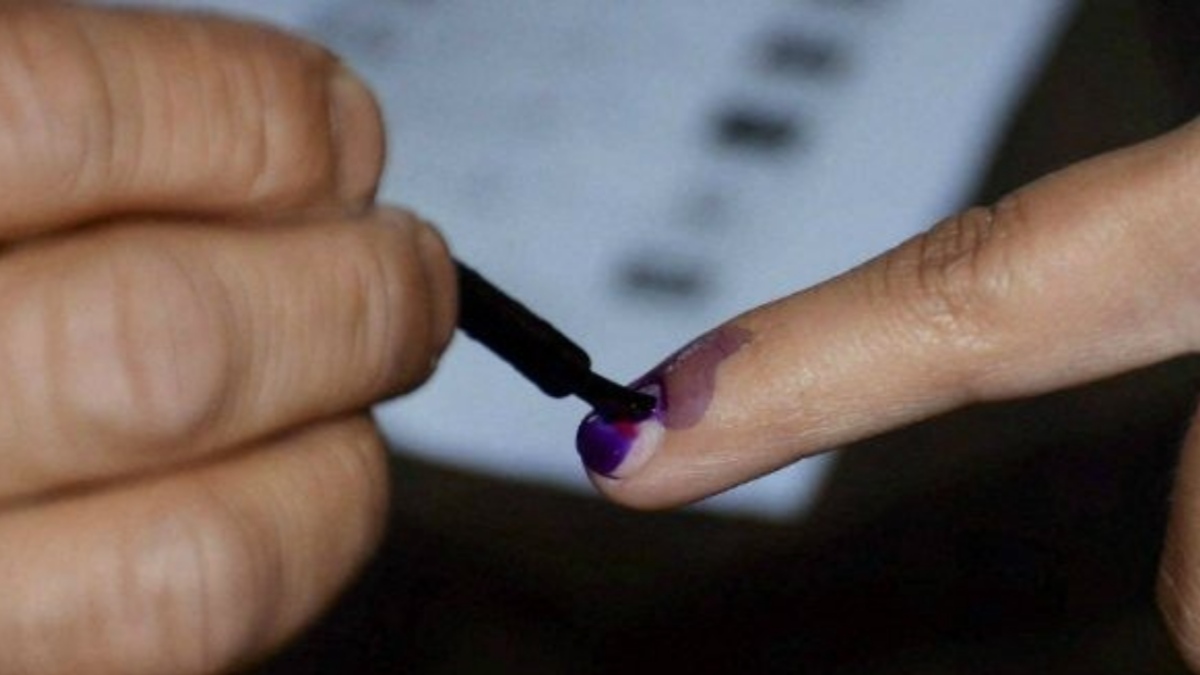
Asked by reporters, Eshwar Khandre said the state government would conduct elections by the October-November period according to the planned timeline, provided that all necessary administrative and legal documents are completed in time. While the minister did go on to say the most likely timeline would be the election schedule will be announced by the Karnataka State Election Commission, the constitutional body that will conduct elections for local bodies in the state and so on.
Gram Panchayat elections are important because Panchayats form the foundation of India’s three-tier Panchayati Raj system. And these local self-governing bodies are responsible for development programmes, maintaining basic civic infrastructure, drinking water supply, sanitation, village roads, street lighting, and the implementation of a lot of welfare schemes in rural areas.
The upcoming elections are expected to have high political interest with Gram Panchayat polls taken in Karnataka on a non-party basis. Although the candidates are independent, major political parties often give indirect support to local candidates, and this is likely to be a very telling indicator of how far the local grassroots have come after the election and will be the answer for the next Assembly and parliamentary elections.
Political parties are already having to build up their organisational networks in villages across Karnataka. Local leaders are getting involved in public meetings, village-level issues and development effort in their own region. Rural issues such as irrigation, agriculture, road connectivity, drinking water, employment opportunities, healthcare, education and government welfare schemes are expected to dominate election campaigns.
The Karnataka State Election Commission will likely be taking a number of preparatory measures before it announces the actual election schedule. These are, among others, the electoral rolls, polling stations to be updated, election officers, polling station selection, polling materials to be set up, appointing election personnel, distribution of polling materials, and coordination with district administration to have free and fair elections in thousands of villages.
Reservation of SCs, STs, OBCs and women will continue to play an important role in inclusive representation in local governance. Karnataka has always had constitutional provisions that encourage broader participation of marginalized communities and women in grassroots democratic institutions.
Timely Panchayat elections are essential for democratic decentralization, as well, they say, they are important to strengthening democratic decentralization. Gram Panchayats are the first contact point between citizens and government to address local development needs and ensure efficient delivery of public services. Elected Panchayat representatives are responsible for village-level needs, development plans, monitoring government projects and accountability in the utilization of public funds.
In addition, elections will also result in implementation of several flagship rural development schemes that were launched by both the central and State governments. Panchayats are key to implementation of schemes on housing, sanitation, drinking water, employment generation, rural infrastructure, education, and environmental conservation. Thus effective local leadership is crucial to ensure that these programs are implemented at the target level.
Political analysts note that although Panchayat elections focus on local governance and are largely about local politics, they can provide a lot of insight into wider political trends. The good performances at the village level help parties strengthen their organization, identify new leaders and know the public’s needs before big state and national elections take place.
Residents in rural Karnataka will assess candidates based on accessibility, integrity, administrative capacity and commitment to addressing local issues. Panchayat elections are far from larger politics and may be more about the politics of the day compared to much larger ideological elections, but more often in Panchayat elections take place in terms of practical governance, transparency and delivery of public services.
The minister’s statement has encouraged prospective candidates waiting to be notified about the election timeline. Many aspiring Panchayat leaders have already started to campaign, communicate with village residents and start making campaign plans ahead of time.
Once the election dates are announced, the State Election Commission is expected to enforce the Model Code of Conduct and give the detailed guidelines on nominations, campaigning, expenditure limits, polling procedures, counting of votes, and declaration of results. Security arrangements and logistical arrangements will be prepared for peaceful polling across the state.
As Karnataka creeps closer to conducting the long-pending Gram Panchayat elections, the focus is on a fair and transparent electoral process. Rural voters will be able to elect representatives in October-November who will shape village development in the next generations.
With preparations going on and political activity becoming more and more widespread in Karnataka's villages, the forthcoming Panchayat elections will be key in strengthening grassroots democracy and reinforcing the state’s rural development process and local self-governance must be maintained.