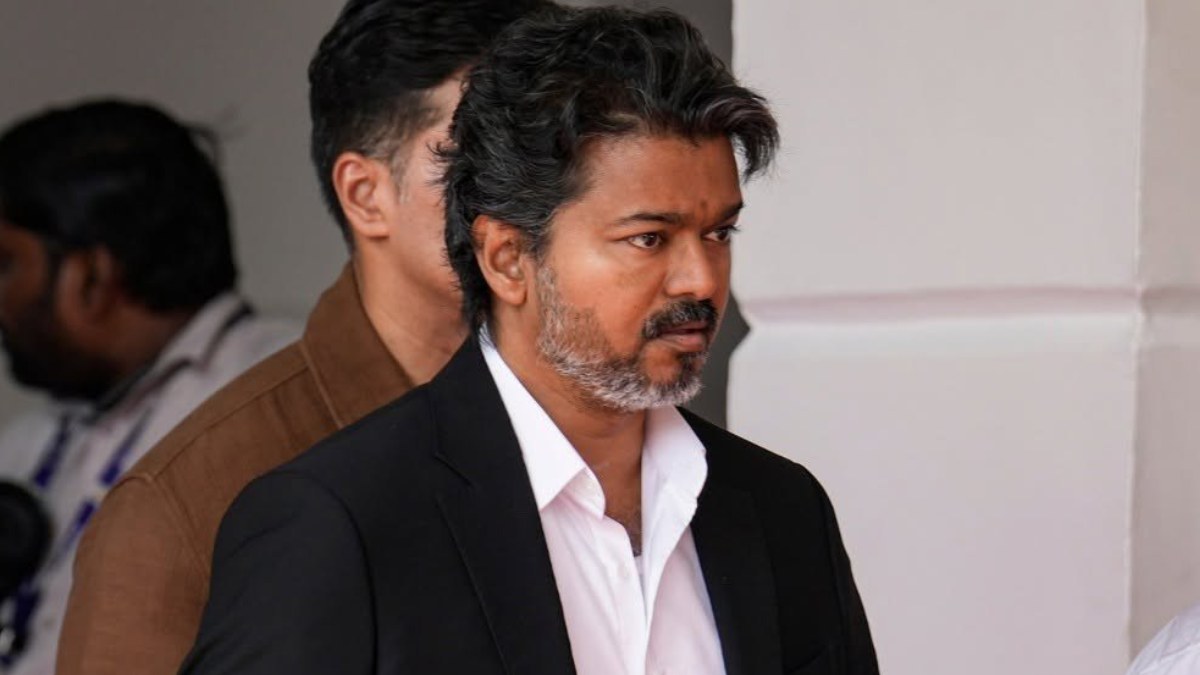
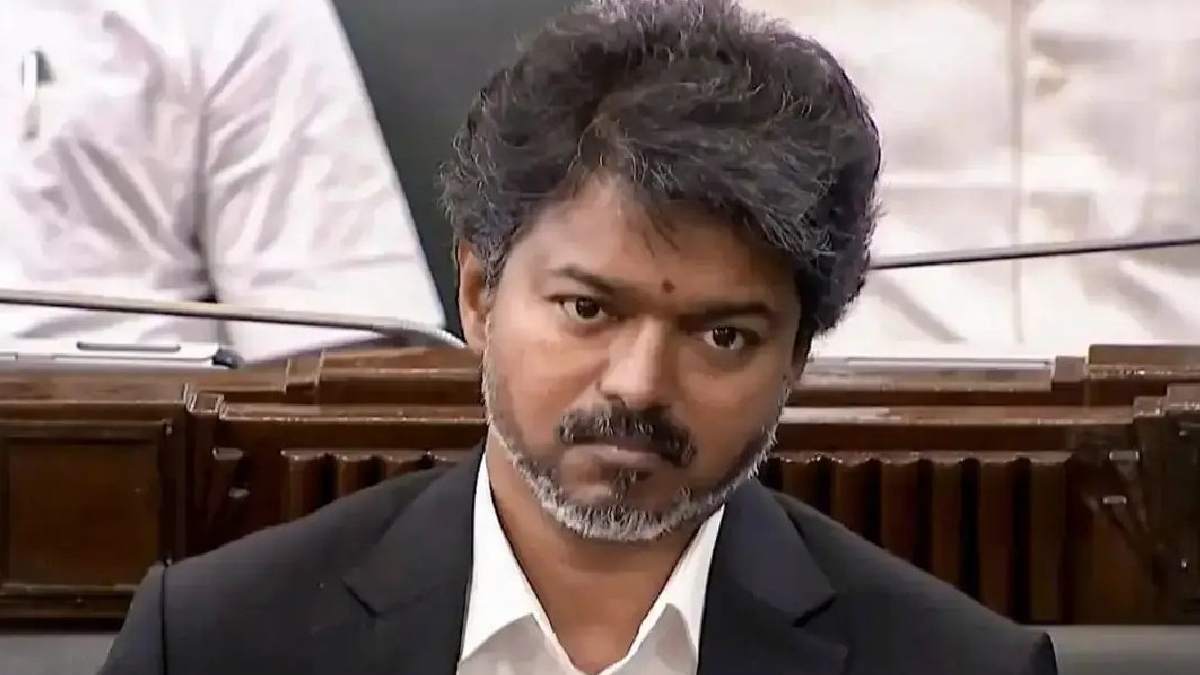
Tamilaga Vettri Kazhagam (TVK), Tamil Nadu's political party headed by actor-turned-politician Vijay, is in the news again after the word “Vidiyal” was removed from its name, meaning women's bus travel scheme, by saying it was free for all.

Political commentators and party supporters have seen it as a signal for a political dispute in the name of branding, messaging, and public perception ahead of general elections.
Women’s free bus travel scheme introduced by the DMK government after assuming office in 2021 is one of the state's flagship welfare programmes. Women, transgender people, people with disabilities, and those who are disabled have access to free buses operated by the ordinary government - city buses. It has been widely accepted to have reduced costs of transportation for working women, students, and daily wage earners in the community and has promoted mobility and accessibility to jobs, education, and healthcare.
The initiative has often been associated with Vidiyal (or dawn) or new beginning in Tamil; the term is prevalent in the DMK's political messages. By not using the term while talking about the scheme, TVK is trying to focus on the welfare programme and not the political branding associated with it.
Political analysts say welfare programs are often part of a wider political narrative, and politicians sometimes try to cement or improve public perceptions of government programmes. Branding plays a vital role in electoral politics in which names and slogans are associated with political identities and campaign slogans.
TVK’s decision has been met with mixed reactions. To party supporters, government welfare schemes funded by public resources should be seen as something they do for the people, not to be tied to some particular political slogan. They claim that public programmes should be judged on their effectiveness and benefits rather than on their branding.
On the other hand, supporters of the ruling DMK argue that the naming and communication strategy of welfare schemes is consistent with the government’s policy vision and electoral mandate. The free bus travel scheme has helped lakhs of women across Tamil Nadu in reducing commuting costs and increasing financial independence.
Since then, the free bus travel initiative has become one of the state’s most visible social welfare programmes. Government officials have said that the scheme has enabled women to save a considerable amount of their daily transportation expenses, and families have used them to pay for education, health, food, and other basic needs. The programme has also been credited with increasing women’s participation in the workforce by making travel more affordable.
The latest episode comes at a time when TVK has been steadily building political activity since it entered Tamil Nadu politics as the state’s first political party to be active in Tamil Nadu politics. The party has increased its focus on governance, public welfare, transparency, youth involvement in development, and social development with the goal of becoming a major political force in Tamil Nadu as well as being in power in the state.
Political commentators believe that symbolic decisions, in terms of terminology for government schemes, are strategically significant to electoral politics. Such actions can therefore affect public debate in many ways and be seen as an attempt to shift the focus from governance to ownership of welfare schemes and the political communication for the government.
The debate also reflects a larger trend in Indian politics; that successive governments may rename schemes, institutions, or programmes in order to align them with their own policy priorities or political messaging. It is something that supporters of such changes would argue is right in the name of governance and communication, but the critics would argue that continuity and public recognition should be at the heart of the political branding.
Despite the controversy on terminology, the women’s free bus travel scheme is still in operation in Tamil Nadu and is a part of the state’s social welfare system. The people still use it for daily commuting, and the programme is one of the key government’s flagship projects for the promotion of women’s economic participation and social inclusion.
With political competition on the rise ahead of future elections, welfare delivery, governance, and public policy are expected to be at the forefront of campaign debates. The latest debate about the branding of the scheme illustrates how even minor changes in terminology can become the subject of wider political debate.
Eventually, while parties might differ on the way welfare programmes are presented to the people, the public is likely to care about the quality, accessibility, and effectiveness of public services much more, and the quality of public services will remain the focus among the general public.
As Tamil Nadu’s political environment changes, welfare issues will continue to play a crucial role in public opinion and narratives and the story of social policy.