Ponzi schemes and cyber fraud are targeting income tax return filing on WhatsApp. Cybersecurity experts and government agencies are warning the public that fraudsters are using deceptive messages laced with malware to steal banking credentials, financial information and sensitive personal data.
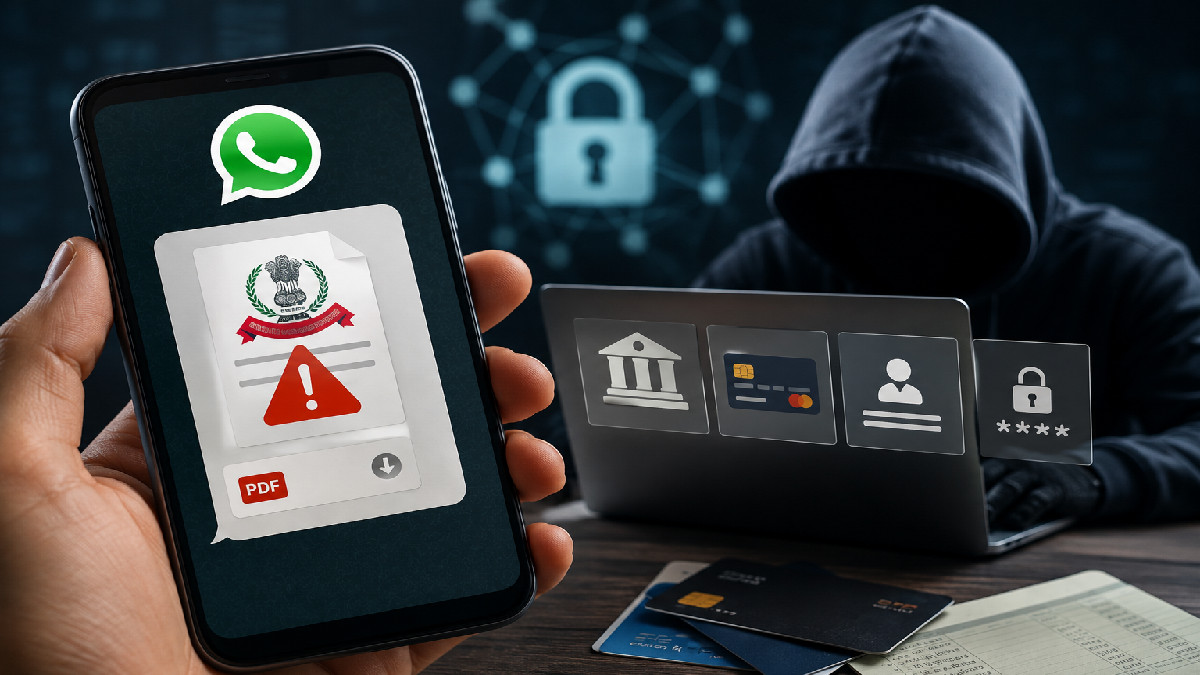
The scam starts with a WhatsApp message that seems to be from the Income Tax Department. The message usually says that the recipient has an outstanding tax issue to be verified, a tax refund to be paid or a very urgent compliance requirement. Fraudsters often try to present themselves with a government-like logo and a government-related time frame for filing taxes.
The victims are usually told to click on a link or download an attachment to look at the alleged notice. Once the attachment is opened or the link is clicked, the malicious software is silently installed on the user's device. The malware is designed to gain unauthorised access to sensitive information such as bank usernames and passwords, credit and debit card information, one-time passwords (OTPs), and other financial credentials.
The cybersecurity community has observed these attacks to be more prevalent during tax filing times when millions of taxpayers are awaiting communication concerning refunds, assessments, or return verification. Fraudsters exploit the urgency and anxiety regarding tax matters to encourage users to act with no serious verification of the authenticity of the message.
The malware is available in multiple forms. Some variants monitor keystrokes to know passwords; others can access login credentials, read text messages, intercept OTPs, or even remotely control infected devices. In more sophisticated cases, criminals can use the stolen information to conduct unauthorised bank transactions and drain victims’ accounts.

Authorities have said that the Income Tax Department does not send notices through unofficial WhatsApp messages with suspicious links or downloadable applications. Official tax-related communications are generally delivered through the taxpayer's registered email address, the official Income Tax e-filing portal, or other verified government channels.
We advise potential taxpayers to carefully read any message from the Income Tax Department. The user must not click on unknown links, download attachments from unverified sources, or share sensitive information via messaging apps. Any bank email or text request or call for banking passwords, debit card PINs, OTPs and/or account information is highly suspicious.
And besides checking messages, cybersecurity experts suggest keeping smartphones and computers up to date on the latest security patches and antivirus software. Multi-factor authentication of banking and financial accounts can also serve as a layer of protection from unauthorised access.
If a user suspects they have received a fraudulent tax notice, they should immediately act. They should disconnect the affected device from the internet, perform a malware scan, change banking and email passwords and inform the financial institutions. The victims should also contact the cybercrime authorities and the National Cyber Crime Reporting Portal.
The rise of fake Income Tax notices highlights the increasing sophistication of cybercriminals who increasingly exploit trusted institutions and government processes to deceive citizens. As digital financial transactions continue to expand, cyber fraudsters are finding new ways to target unsuspecting users through phishing campaigns, malware attacks and social engineering tactics.
With millions of Indians filing tax returns each year, cybersecurity experts say awareness is the best defence against such scams. Taxpayers should only visit official government websites and verified communication channels when dealing with tax-related issues, they said.
As cyber threats continue to evolve, staying informed and exercising caution can help individuals protect their financial assets and personal information from falling into the hands of cybercriminals.