Mumbai: A suspected fake sweets manufacturing unit in a residential area of Mulund East has raised fresh concerns over food safety and alleged adulteration. Reports of the facility claim that burfi, milk cake and peda are made from khoya reportedly made from palm oil, and other prohibited colours are used in the production process.
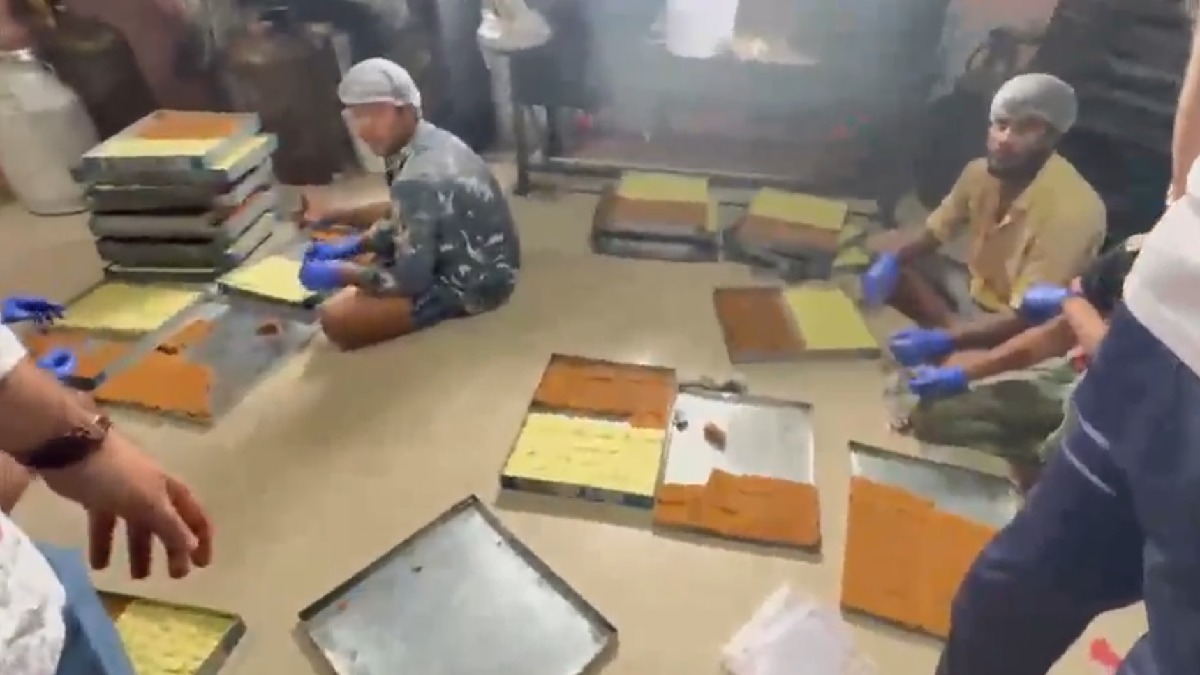
The alleged unit is located in MHADA colony on Mulund East, where there is concern about a food manufacturing operation running in a residential locality. But the Food and Drug Administration (FDA) Maharashtra had taken action against the facility a few days before the latest claims came out.
While enforcement action has been reported, allegations that manufacturing activity is still in place show that the problem is still in place. So does compliance with food safety regulations and the need for additional inspection/enforcement.
Allegations Of Adulterated Khoya
One of the main concerns is the khoya said to be used to make the sweets. The khoya made with palm oil is imported from Gujarat and is used as a base for burfi, milk cake and peda, they said.
Khoya is also known as mawa and is usually made by reducing milk to a thick consistency. It is widely used in Indian sweets and is an essential ingredient in many of the popular products. Any substitution or adulteration of ingredients can therefore raise concerns about the quality and safety of the finished products.
The allegations have specifically called for scrutiny of the source of the khoya being brought into Mumbai. If the material is found to have been manufactured or supplied in violation of food safety standards, authorities could examine the entire supply chain rather than focusing only on the final sweets manufacturing unit.
However, the claims regarding the composition and safety of the khoya would need to be established through proper inspection and laboratory testing by the competent authorities.
Prohibited Colours Allegedly Used
Another concern raised about the facility is the alleged use of prohibited colours in the preparation of sweets. Artificial colours are frequently used in food products to enhance their appearance but only permitted food colours and prescribed limits can be used under food safety regulations.
This is particularly true given that customers are not easily able to tell if a brightly coloured sweet contains an unauthorised additive. Regulatory inspections and laboratory testing are therefore important in determining whether a food product complies with prescribed standards.
If samples taken from the premises or products linked to the unit are found to contain prohibited substances, authorities can take action under the applicable food safety regulations.
Sweets Supplied To Shops
The allegations also claim sweets produced at the facility are being supplied to several sweet shops in Mulund and surrounding suburban areas of Mumbai. If proven, the problem could go beyond a single manufacturing base and may take place at many points of the supply chain.
Authorities may need to know where the products were supplied, the retailers involved and collect samples from both the manufacturing unit and retail outlets. Such checks can help determine whether the alleged food safety violations are limited to the production process or have affected products reaching consumers.
Traceability is an important part of food safety for consumers. Identifying ingredients and finished products can help regulators react quickly to adulteration or contamination concerns in the case of the first warning sign.
मुलुंड पूर्व मध्ये नकली मिठाईचा कारखाना!@FDA_MAHARASHTRA ने कारवाई करून देखील सर्रासपणे सुरू.
— Adv. Sagar Devre | ॲड सागर देवरे (@MeeSagarDevre) August 26, 2026
मुलुंड पूर्व म्हाडा वसाहतीं मध्ये रहिवाशी भागात नकली मिठाईचा कारखाना सुरू आहे.
शरीराला हानिकारक पाम तेलापासून बनविलेला मावा गुजरातहून आणला जातो आणि त्याच्या पासून बर्फी, मिल्क केक… pic.twitter.com/acMSSKxqu0
Earlier FDA Action Under Scrutiny
The recent action by Maharashtra FDA against the unit has become a focal point of the controversy. If the facility was previously inspected or proceeded against, whether the subsequent activity constitutes a violation of an order or if additional action is warranted.
A fresh inspection will help establish the current status of the premises, if manufacturing is taking place, what ingredients are being used, and whether the unit has the necessary permissions and food safety compliance.
The allegations should not be treated as established facts until official inspections, sampling and laboratory analysis are done. At the same time, accusations of unsafe food production should be taken into account since adulterated food could pose a risk to consumers.
Need for Supply Chain Checks
The allegations have also raised the need to track khoya and other ingredients which are arriving in Mumbai from outside the city. Checking suppliers, transportation routes and retail distribution points could help regulators to determine whether the alleged products are in the chain of supply.
An integrated approach to inspections, sampling and laboratory testing could allow for the analysis of whether the ingredients meet the prescribed standards. If violations are detected, enforcement against those responsible manufacturers, suppliers or retailers could take place.
For consumers, the incident is just a reminder to buy sweets from legitimate sellers and look out for packaging, labelling and visible signs of quality. Food safety authorities have a lot more trouble in the case of traditional sweets when there is a high demand for them.
The alleged Mulund East factory case now puts into focus the need for enforcement and follow-up checks. If the unit continued to operate and the FDA had done its job, then authorities will have to establish the present status of the facility and verify the allegations of palm oil-based khoya, prohibited colours and the sale of sweets to shops in Mulund and the surrounding areas.