Comparison of Fanta in India and the same soft drink in London has raised questions regarding the sugar content. The Indian version is about three times more sweet than the London version (about 63 calories per can). The comparison has raised concerns about multinational beverages being sold differently in different markets.
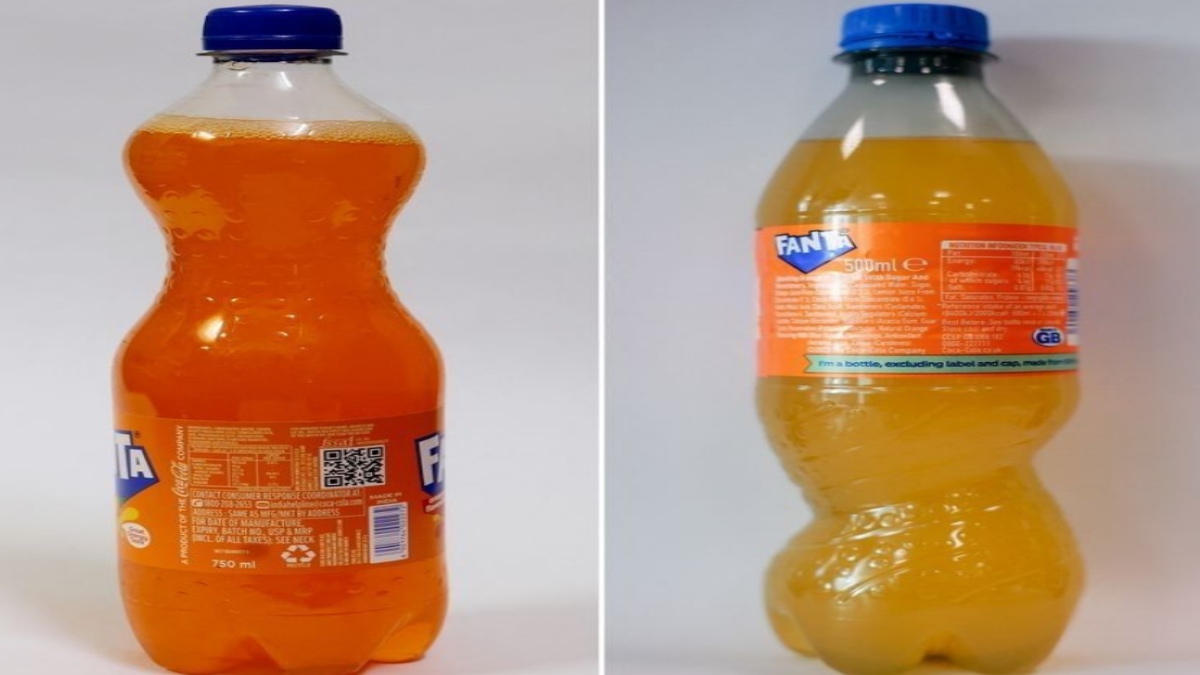
The problem highlights an even bigger picture of the global food and beverage industry: products with the same brand name are not necessarily identical in every market. Ingredients, recipes, serving sizes, nutritional profiles may differ depending on local regulations, consumer preferences, taxation policies and commercial strategies.
Fanta is one of the best-known orange-flavoured carbonated soft drinks in the world, and is marketed in a multitude of countries. While consumers expect that taste and branding are the same, the nutritional information printed on the packaging varies wildly from one market to another.
Since sugar content is a topic of interest in packaged food and beverages, the comparison between India and the United Kingdom has attracted attention. The increasing consumption of sugar has been linked to overall health and long-term health issues, and governments and health organisations in some countries are keen to help people control their consumption of sugary drinks.
The London edition of the comparison is said to have 63 calories per can. The calories in soft drinks mostly come from carbohydrates, mainly sugars, when the beverage is not made with low- or zero-calorie sweeteners. A higher sugar content leads to a higher calorie count.
However, comparisons between products should always account for the size of serving and formulation. A can, bottle or serving may vary in volume from one market to another. Nutritional labels should therefore be compared on a standard basis, such as per 100 millilitres, and per serving.
The threefold difference also raises questions about why companies make products differently. Local regulation, one key factor, is the way in which ingredients, food labelling and taxation are regulated in different countries. Beverage manufacturers may adjust recipes to match local requirements or respond to government policies aimed at reducing sugar consumption.
Consumers’ taste preferences can also vary from country to country. Manufacturers conduct market research and develop formulations that are more suitable for local consumer tastes. A sweeter formulation might be more popular among consumers in a market and may be less sugary in another.
Taxation can also influence beverage formulations. Some countries have taxes or levies on drinks with a lot of added sugar in place. And these measures are designed to encourage manufacturers to lower sugar levels and to get people to consume less sugar.
The UK has, for example, introduced the Soft Drinks Industry Levy (sugar tax) to encourage manufacturers to lower sugar in beverages. The policy has been widely used in the soft drink industry and is widely recognised for substantial reformulation.
India has also been paying more attention to nutrition labelling and sugar content of packaged foods and beverages. And consumers, health professionals and policymakers have continued to debate how clearly nutritional information should be presented and whether more measures are needed to encourage healthier consumption patterns.
For consumers, the comparison is a reminder of the value of checking the nutritional panel, rather than assuming that an international brand has exactly the same recipe everywhere. The sugar per 100 ml, the total serving size and calories could give a better picture of what a particular beverage is made of.
It is also important to distinguish between naturally occurring sugars and added sugars when assessing a diet. Soft drinks such as traditional orange-flavoured carbonated beverages usually contain sugar added during manufacturing rather than naturally occurring sugar from whole fruit.
Fanta itself is also part of a much larger global discussion about sugar-sweetened beverages. Public health organizations have called for a greater focus on water or less-sugar alternatives to drink as a lot of people have been wanting to cut back on sugar-sweetened drinks. And what consumers need to know about the size of soft drinks and their nutritional value is that they are very much aware of what they are drinking and can make informed choices.
At the same time, the comparison should not be interpreted as evidence that one country’s version is unsafe or that the product violates regulations. Different formulations can comply with the legal requirements of their respective markets. The key issue is transparency and letting consumers know what they are buying as well as selling.
The Fanta comparison has generated interest because it illustrates how dramatically the nutritional profile of a familiar international product can vary across borders. A consumer travelling from London to India might expect the same branded beverage to taste and perform similarly, but the ingredient list and nutritional information can tell a different story.
But the reported difference in sugar content is a reminder that brand names don’t guarantee the same recipes worldwide. And consumers should be aware of the risk of making any assumptions based on labels, serving sizes and sugar and calorie information.
🚨 Opinion: An Indian going to the US for a master’s is anything but a dream now.
— Indian Tech & Infra (@IndianTechGuide) August 26, 2026
As governments debate how to set the policy on added sugar and manufacturers adapt to changing consumer requirements, soft drinks’ formulation will be under pressure. Fanta’s conversation is therefore not just about one beverage, but about a much larger question in the global food industry: how multinational brands must balance taste, consumer demand, regulation and nutrition in different markets?