Gur (Jaggery) is expensive in India ahead of the upcoming festive season and is up to ₹80 per kg in some markets. Sugar prices are also going up and that is really affecting household budgets and are eating into the budget of Indian consumers as well, and demand for traditional sweets and festive food products will be on the rise at a time when it was rising.
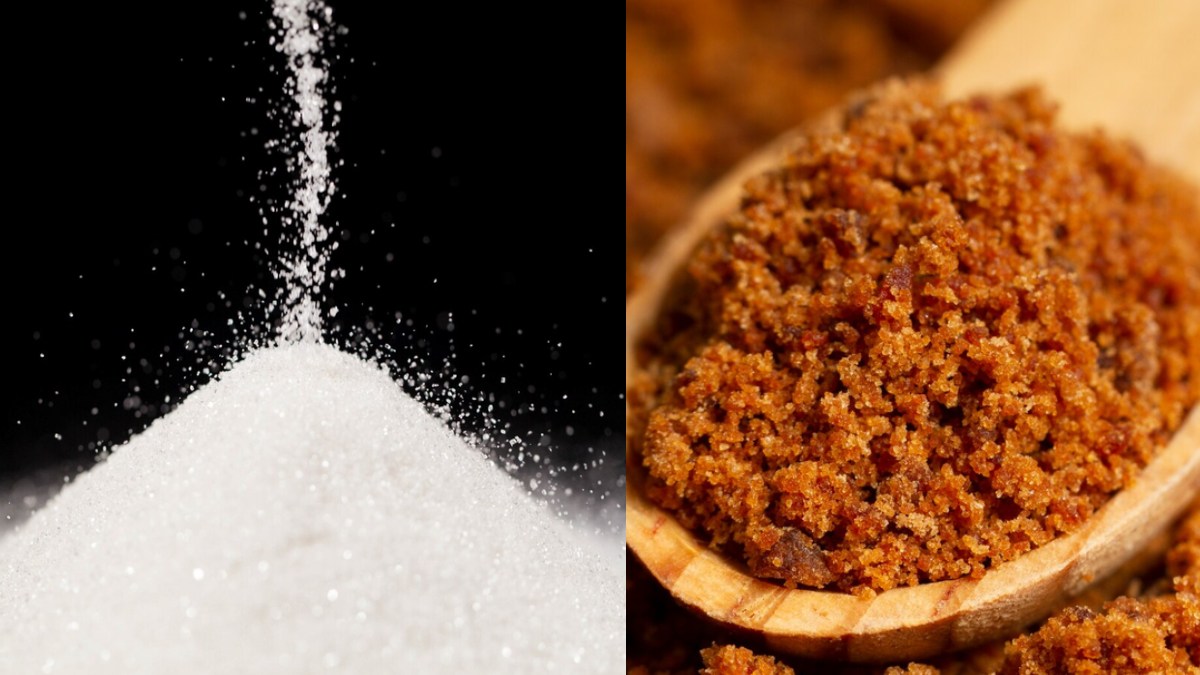
Jaggery is one of the most popular ingredients in Indian kitchens and is used in sweets, traditional dishes, beverages, and religious offerings. At festivals the demand for jaggery gets higher as households make traditional food items and sweets. With the price hike coming to a higher level the consumers as well as small sweet manufacturers and local food businesses will feel it.
The rise in jaggery prices has been noted because it is happening just before the festive shopping season. Festivals typically bring greater demand for sugar, jaggery, dry fruits, edible oils and other basic food ingredients. When wholesale prices rise before this time, retailers will eventually pass on some of the additional cost to consumers.
Several factors can influence jaggery prices. Agricultural production, availability of sugarcane, weather conditions, transportation costs, labour costs, and food manufacturers' demand all affect market rates. Jaggery production is also closely associated with the sugarcane cycle and sugarcane availability can affect supplies and prices.
The sugarcane-producing regions are the key players of jaggery supply. If production or market arrival is lower than expected prices increase as traders and manufacturers fight for supplies. If production is high and market arrival is higher prices can be low.
The increase shows the close relationship between sugar and jaggery. Both are produced from sugarcane but their manufacturing methods vary. Sugar is processed and crystallised, whereas jaggery is made by concentrating sugarcane juice until it solidifies. Both sugarcane prices and availability can therefore affect both markets.
For people in the household, this price increase could be particularly important during festival preparation. Traditional Indian sweets require large quantities of sugar or jaggery, depending on the recipe. Laddoos, payasam, pongal, chikkis and other regional sweet foods can use jaggery as a key ingredient. Higher prices may increase the cost of preparing these foods at home.
Small businesses may face an additional challenge because they often operate with relatively small margins. Sweet shops, local food producers and vendors may have to absorb higher ingredient costs or increase the prices of their products. If raw-material prices remain elevated, consumers could eventually see more expensive sweets and other jaggery-based products.
The timing of the increase is also important. India's festive season usually generates massive consumer spending and families buy food, clothing, gifts and other stuff to do so. Increasing the price of basic materials for celebrations could also add to the cost of celebrating, especially for families that traditionally cook large quantities of sweets at home.
But retail prices can vary significantly between cities, markets and product grades. The ₹80-per-kg figure should therefore not be treated as a uniform nationwide price. The final price paid by consumers depends on the quality of jaggery, location, packaging, retailer margins and prevailing local supply conditions.
The latest development adds to broader concerns about food-price inflation. Consumers are most affected by rising prices in their grocery shopping. Even modest increases in some common ingredients will have a big impact on monthly household costs.
In the weeks ahead, market conditions will determine whether jaggery prices remain elevated or come down as fresh supplies enter markets. For the time being supply and demand can be balanced through better supply and demand balance, with more festive demand or supply disruptions going to lower prices and prices may remain under pressure.
For consumers on the verge of the festive season, jaggery prices are another reminder of how agricultural commodities affect everyday expenses. As sugar and jaggery prices escalate, households and food businesses will surely be watching the market prices of these products closely in the festival period.