Indian-born mother in New Zealand has spoken of the difficulty in getting a timely medical appointment for her sick child, and the wider conversation online about healthcare access and the difference between expectation and reality of life abroad and the world.
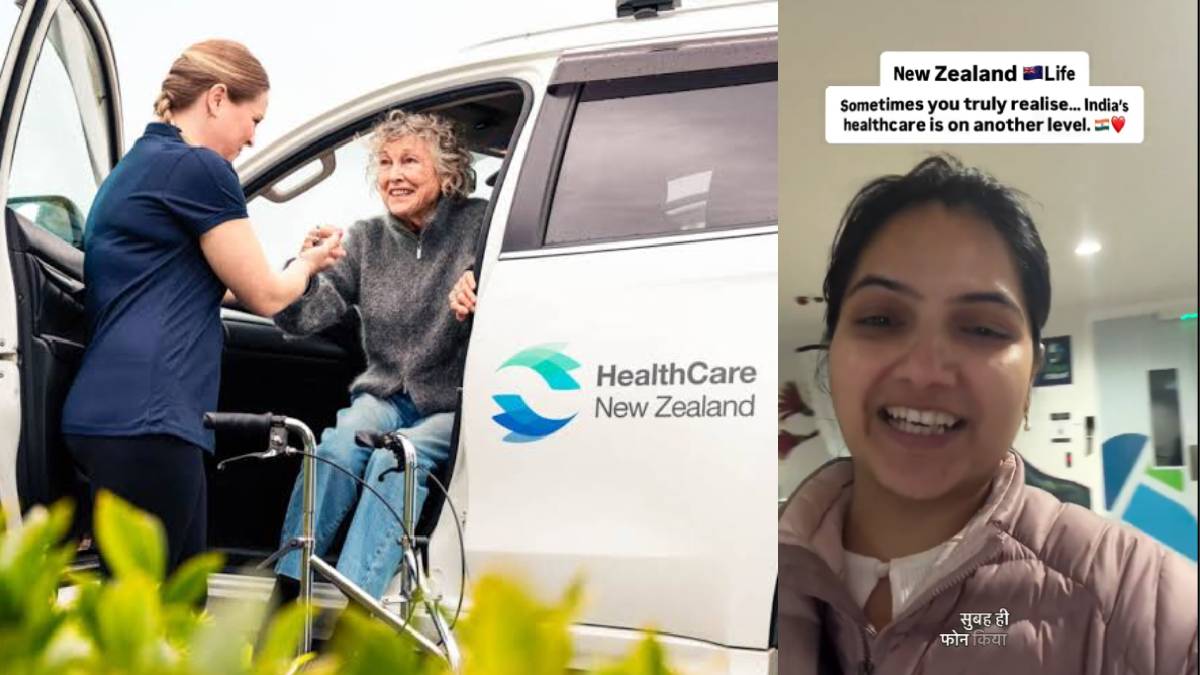
She said her son had been suffering from a persistent cough for about 10 days. Concerned about his health, she said she contacted their local medical centre and tried to schedule a visit with the doctor. But she said she was told there were no appointments for the following week.
The earliest appointment she was offered was the following Wednesday, and the mother was worried about how long her child would have to wait before being seen by a doctor.
If you’re a parent who has an unwell child for several days and can’t get the right consult, you’re going to be really stressed out and upset. Children with an illness that doesn’t require emergency treatment might need to see a doctor and be reassured that they’re safe and have their symptoms under control; parents need to be able to say so and get the right response.
She also brought up the issue of healthcare accessibility in countries where immigrants are often convinced that the quality of life is better and the public services better.
The mother’s story also drew comparisons with India, where access to doctors—particularly in urban areas—can be considerably quicker. In most Indian cities, patients can often seek a private clinic or specialist for the same-day consultative service, but access, availability, affordability and quality may vary widely depending on the location and healthcare provider.
An Indian-origin mother in New Zealand has shared the painful reality of trying to get medical care for her sick child.
— The News Drill™ (@thenewsdrill) August 26, 2026
She said her son had been suffering from a persistent cough for 10 days, but when she called their local medical centre, she was told there were no… pic.twitter.com/y3ldxSFUeA
But the comparison is not necessarily easy to make by declaring one healthcare system better than another.
New Zealand's healthcare system has a strong public component, but patients may face challenges in general practice and a lack of general practitioners, staffing, appointment capacity and waiting times. Given the location as well as the type of service required, the experience of getting routine or non-emergency medical care can be very different.
India has a much larger and extremely diverse healthcare system which comprises government hospitals but also private hospitals, neighbourhood clinics, specialists and diagnostic centres. The massive private healthcare industry means that patients in many metropolitan areas can get their appointments fast. But access is more difficult in the rural and underserved regions, and out-of-pocket costs for many families are a big concern.
The mother’s story has struck a chord, though, because it challenges a common assumption among people who move overseas that healthcare will be quicker or more affordable, simply because a country has a higher-income economy.
A lot of Indians who relocate abroad may expect to receive shorter waiting times, better infrastructure and better access to advanced medical treatment. Yet healthcare systems in different countries are different, and a system may provide excellent emergency and specialist care but delay routine appointments.
The discussion has also attracted attention to India's growing reputation as a destination for medical tourism. Foreign patients have been coming to India more and more for procedures and treatment because of specialist care and sophisticated hospitals and relatively low costs in some sectors.
India has developed major medical centers in cities such as Delhi, Mumbai, Bengaluru, Chennai and Hyderabad. International patients who require surgical appointments and diagnosis are coming to such centres and are going to have the best treatments and diagnostics.
But the contrast is not so far apart. India's healthcare system still faces challenges of uneven access, quality differential amongst providers, affordability for lower-income families, and pressure on public hospitals. For every patient in India having easy access to high-quality healthcare, the same-day private consultation does not mean the same.
A New Zealand mother’s account should be seen as an individual experience, not as a detailed assessment of the country’s healthcare system. A single delayed appointment cannot represent the experience of every patient; the same-day consultation in an Indian city cannot represent healthcare for the whole country.
What the incident does highlight is an important issue for migrants: healthcare expectations can change dramatically after relocation. Systems that appear attractive from a distance can have their own limitations, particularly when patients need timely access to primary care.
In this case, parents are facing a particularly difficult challenge when a child has persistent symptoms, and they are unsure whether the condition requires urgent attention. In these situations, healthcare systems generally have emergency or urgent-care pathways for serious or rapidly worsening symptoms apart from regular appointments.
Indeed, the viral discussion has ultimately opened a wider conversation about what people mean when they describe a country’s healthcare as “better.” Is it affordability, speed of access, specialist expertise, emergency response, preventive care, infrastructure or overall outcomes?
The answer will be different depending on the patient.
In some patients, India’s vast private healthcare network may offer an advantage in terms of appointment speed and choice. For others, New Zealand’s public healthcare system may provide important protections and services even when appointment availability is difficult.
But the mother’s experience has been a reminder that moving abroad does not eliminate everyday healthcare challenges. For many families, though, the most important thing is not whether a medical system is advanced but whether they can see a doctor they need when they really need one.