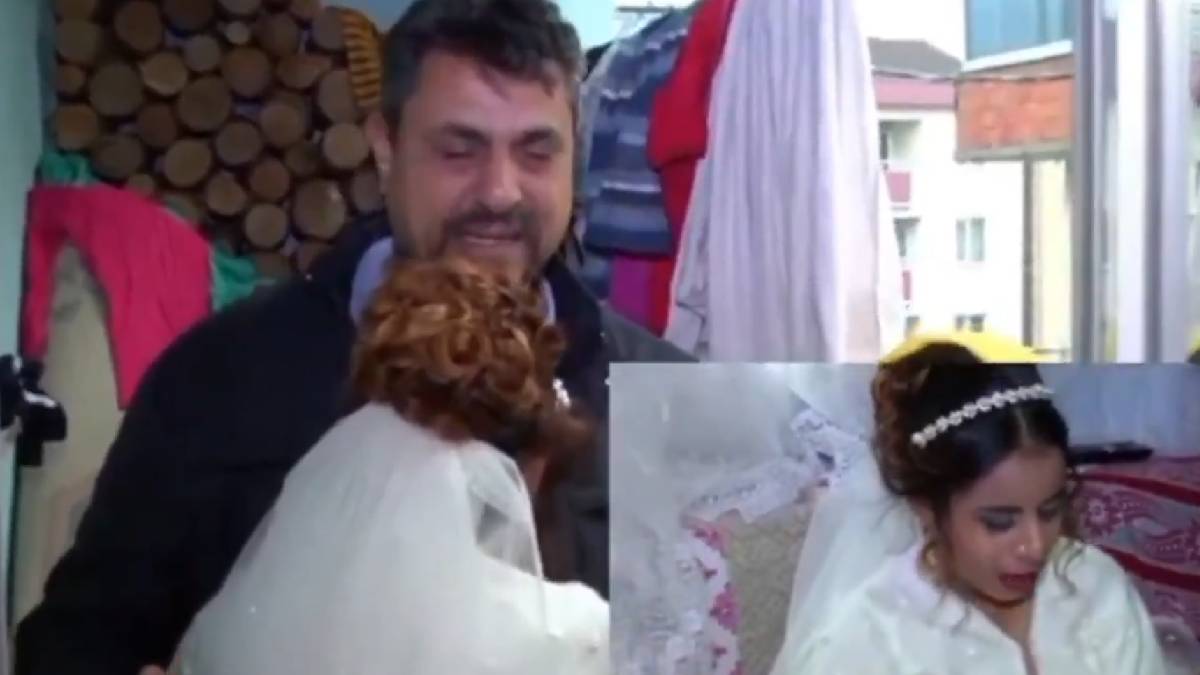
An incident of an extremely high trauma has risen out of Kerala, where a 23-year-old girl, Vaishali, eloped with Mohammed Vidlaj P.H., who is from Wayanad. Vaishali's father, who had come back from overseas, expressed grief and disappointment, making him cry at his daughter's choice. The family had said it hoped her studies would continue and that she would find new employment, yet she chose to marry against their wishes instead.
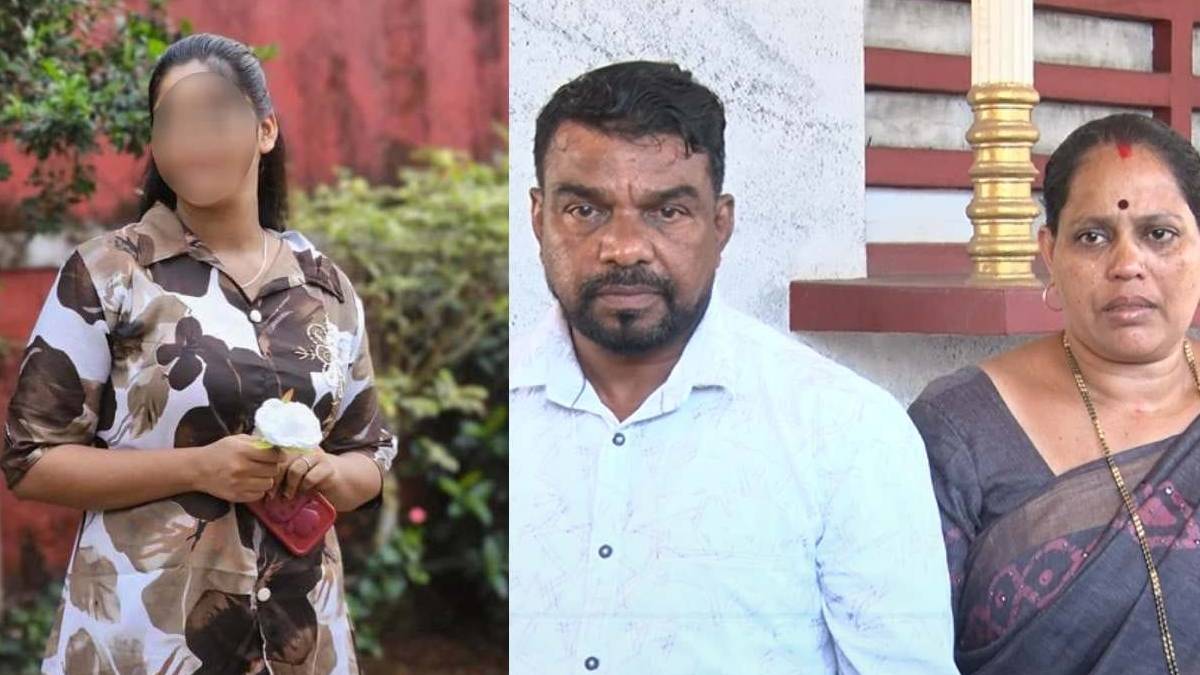
Marriage of Vaishali to Mohammed Vidlaj took place on January 31 at the Wayanad registry office. Not from her directly but via social media posts, the news shocked and horrified her family members and saddened them. Vidlaj was working at a jewelry shop in Surathkal for some time before the marriage, and had known Vaishali until then. Her parents, dismayed by the abrupt move, begged her to go home. They spoke publicly of their anguish, stating that, in having made their daughter’s decision, they were brokenhearted.
Vaishali’s parents had imagined a different future for her for education, career and stability. Her elopement has instead raised concerns about a series of other instances in which young women opt for mates against the family's wishes. The father’s tears are a metaphor for the emotional battle that many families experience when children choose partners to live with that contradict their traditional desires.
The incident has spurred discussion on social media and local communities. Some are sympathetic to Vaishali’s right to choose her partner, while others are critical of her decision, noting the pain caused by her parents. This debate touches on the tension around individual freedom versus family values in modern society.
Cases like Vaishali’s are hardly unique. As across the state of India stories where young women marry out of society or faith are not so unusual. To some they are personal choices, to others they are an affront to cultural habits.
Vaishali’s marriage to Mohammed Vidlaj is not merely a family matter; it is a story about the battle between personal freedom and parental expectations. Her father’s tears represent the emotional burden that comes with this decision. Whether we interpret this as love, or resistance any two the episode is a reminder of the need for conversation, empathy and intergenerational understanding when tackling difficult marriage and choice issues.