Mumbai has seen an intense food safety enforcement effort after some stores affiliated with major retail and quick-commerce firms have been identified as targets.
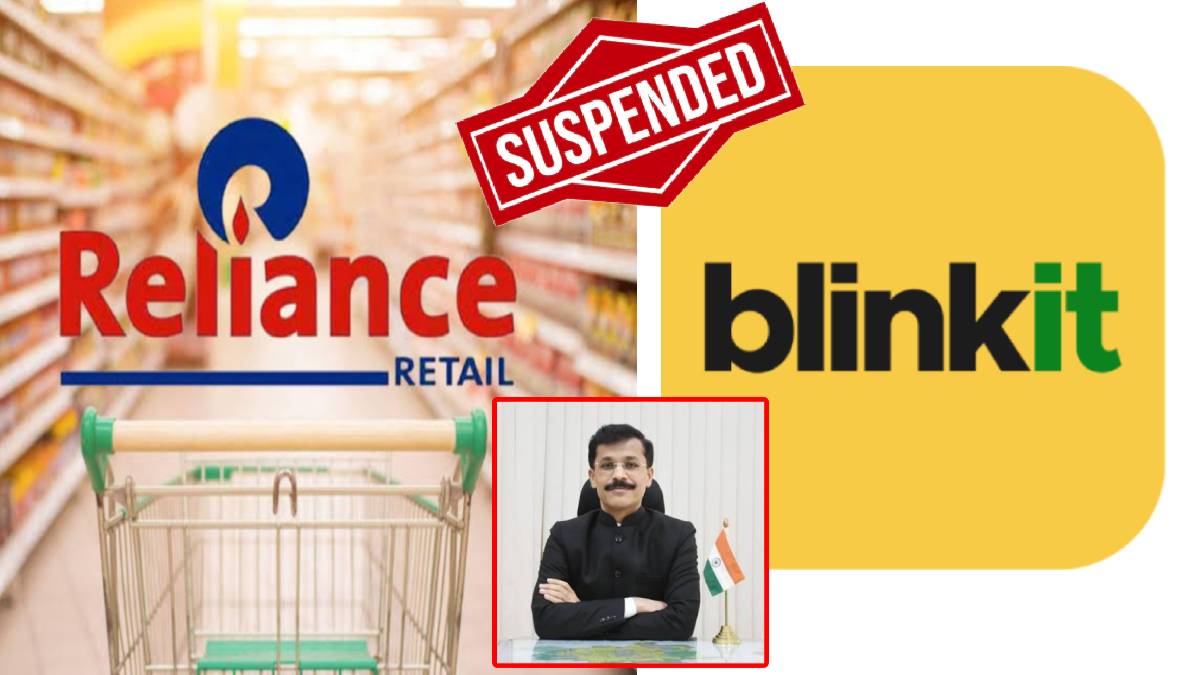
The crackdown has put a Reliance Retail outlet under pressure, with inspectors taking 54 boxes of kaju katli in an inspection. The move has reignited debate over food safety standards of big-box retailers and the need for them to comply with the standards of food safety expectations for small food businesses.
In another major development, a Blinkit store in Malad had its licence suspended after inspectors found multiple food safety violations. Some serious hygiene and storage issues were found, said sources.
The violations cited were cockroach infestation, stock stored on rusty racks, expired products and damaged products, among others. Food storage and an unclean cold-storage facility were also found to be a problem, inspectors told investigators.
The inspection also uncovered another compliance issue with employees handling food. According to the report, the store did not have the required health records for food-handler employees.
Such violations can raise serious concerns because food-storage and hygiene standards are designed to prevent contamination and protect consumers. Cold-storage facilities, for example, need to be clean and temperature-controlled to ensure that perishable products are safe to consume.
The suspension of the Malad store’s licence indicates the importance of enforcement rather than just having compliance mechanisms in place within companies. Big consumer-facing brands have to sell large volumes of food every day and follow food safety guidelines to avoid a disaster.
Food safety officials praised the action, and social media users have also highlighted the need for stronger enforcement on the big brands and for the same level of scrutiny on all food industry players.
One such response praised Tukaram IAS and said that officials should not be deterred by possible transfers or administrative pressure in food safety enforcement. He was also called for him to be appointed as the CEO of the Food Safety and Standards Authority of India (FSSAI).
But individual enforcement actions and allegations should be distinguished from final findings if they are determined through the legal and regulatory process. Companies and outlets have the opportunity to respond to inspection findings and take corrective measures if authorities require it.
The incidents reported, however, are indicative of a bigger problem: food safety enforcement should be standard amongst businesses, regardless of their size, brand recognition or market position.
The developments are a reminder that attractive packaging and well-known brand names are not enough to ensure regulatory oversight. Retail stores, quick-commerce warehouses and food businesses must have proper storage, hygiene, pest-control and employee-health documentation at all times.
The reported seizure of kaju katli and the action against the Blinkit outlet therefore form part of a broader conversation about food safety accountability in India’s rapidly expanding retail and quick-commerce sector.
As online grocery and rapid-delivery services are becoming more widely available, safe storage of food products along the supply chain is more and more necessary. Regulatory inspections can help to flag violations before unsafe products reach consumers.
The message from enforcement programs like these is straightforward: food safety standards must be the same for all consumers. Food is essential to the health and safety of a product sold by a big retail store, a quick-commerce platform, or a small local shop.