Karnataka Chief Minister DK Shivakumar, along with the Greater Bengaluru Development Minister Krishna Byre Gowda, launched the 'Freedom from Waste' campaign near the Nadaprabhu Kempegowda statue at the Hebbal Flyover in Bengaluru.
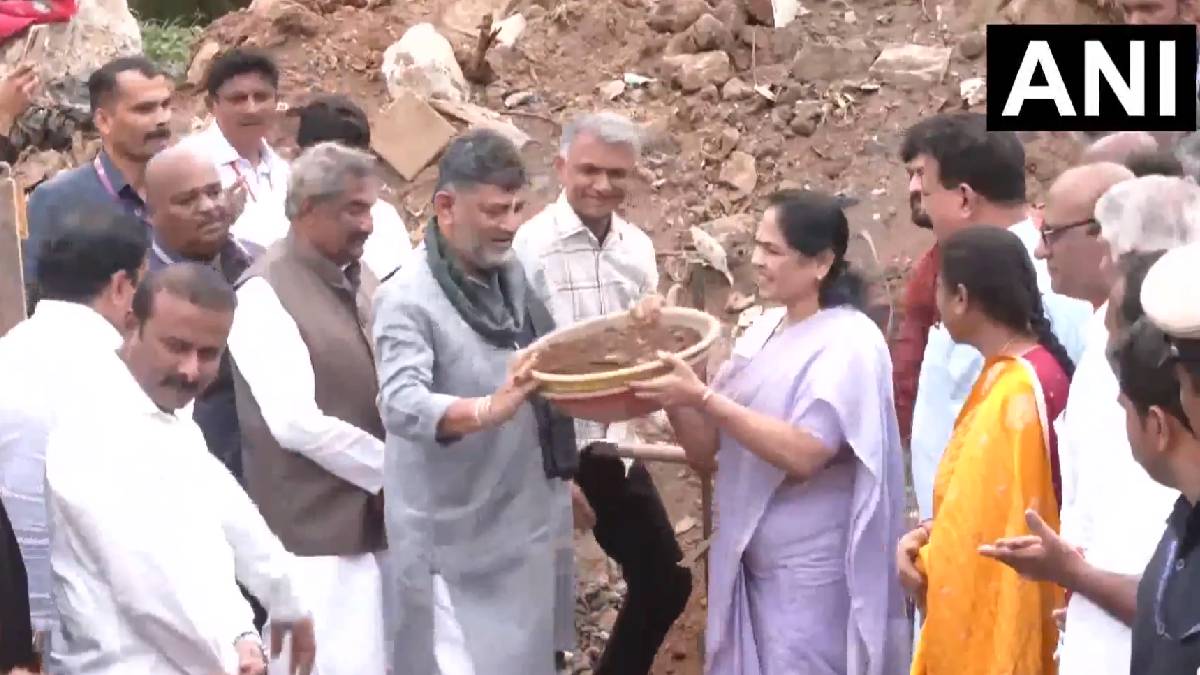
We are going to try to make public spaces cleaner; we are going to do something about responsible waste disposal, and we want people to be active in keeping Bengaluru clean.
#WATCH | Bengaluru, Karnataka: CM DK Shivakumar along with Greater Bengaluru Development Minister Krishna Byre Gowda launches the 'Freedom from Waste' campaign near the Nadaprabhu Kempegowda Statue near Hebbal Flyover. pic.twitter.com/E2esf1km1C
— ANI (@ANI) August 1, 2026
The launch took place in a prominent location near Hebbal Flyover, which is one of the city’s main traffic arteries. Senior government leaders said cleanliness, waste management and public involvement would improve the city of Bengaluru.
Bengaluru has experienced a huge increase in population, housing and commercial activity and vehicle movement for many years. Traffic, infrastructure and garbage collection and waste processing remain big challenges for the city.
The ‘Freedom from Waste’ campaign aims to bring attention to these issues, and to bring about a collective effort to keep neighbourhoods, roads, public spaces and commercial areas clean.
Waste management needs coordination between government and civic bodies, local communities, residents, businesses and community organisations. Government programs do improve collection and processing systems, but public participation is still so important to reduce littering and ensure that waste is disposed of in a responsible manner.
The campaign will help make citizens aware of how much waste there is as well as the disposal process; and it will make them aware that they should reduce the amount of waste they produce and separate different types of waste to make the city a cleaner place.
Segregation of waste at source is considered an important part of effective urban waste management. Biodegradable waste, recyclable materials and non-recyclable waste can be separated to make the collection and processing process more efficient.
Waste segregation can also reduce the amount of waste sent to landfill sites. Organic waste can be composted and/or reused; recyclable materials can be recovered or reused.
Waste is at the heart of the campaign, and it is the first thing we want to do to influence the public attitude towards garbage disposal. Littering in public areas can block drains, create unhygienic conditions and affect the appearance of roads and neighbourhoods.
Public awareness campaigns can help people see cleanliness as part of common responsibility instead of as the responsibility of government agencies and sanitation workers.
The launch near the Nadaprabhu Kempegowda statue was symbolic too. Kempegowda is the founder of Bengaluru, so the place is a symbol of the city’s history and identity.
The government also attempted to link Bengaluru's heritage with the need to make a cleaner and more sustainable future through its initiative near the statue by launching the campaign near the statue and using the government’s campaign to connect Bengaluru’s history to the needs for a cleaner and more sustainable future.
Chief Minister DK Shivakumar has already outlined the need to improve civic infrastructure and tackle some of the major urban problems in Bengaluru. Residents are experiencing waste management, traffic congestion, road maintenance, and public services problems.
The participation of Greater Bengaluru Development Minister Krishna Byre Gowda underlined the government’s focus on coordinated planning and urban development.
The Greater Bengaluru development framework will build on the city’s growing infrastructure needs and enhance civic service delivery in different parts of the city.
This ‘Freedom from Waste’ campaign would benefit those goals as well by keeping whole neighborhoods cleaner and promoting responsible waste management.
For a city of Bengaluru’s size, waste management is a challenge. The city creates a lot of household, commercial and construction waste every day.
For management systems to work, you need reliable collection systems, adequate processing facilities, scientific disposal methods and continuous monitoring.
The campaign may also encourage resident welfare associations, schools, colleges, businesses and local organisations to organise cleanliness drives and awareness programmes.
There is a lot to be gained from community engagement in order to create long-term behaviour change and the success of government-led initiatives.
The launch will be followed by activities to raise awareness and encourage people to adopt environmentally responsible behaviour.
The campaign will be successful if it is ongoing, public participation is encouraged, and the city’s waste collection and processing system is better maintained.
Bengaluru residents will have the possibility to directly help clean up streets and make public spaces healthier for the community as well.
And so sustainable waste management will be important to maintain the environment and improve the quality of life for the future as the city expands.
The ‘Freedom from Waste’ campaign is meant to bring together government leadership and citizen engagement to solve one of Bengaluru’s most visible civic issues.