India is increasingly turning one of its most abundant agricultural resources—cow dung and cattle waste—into a clean source of energy through Compressed Biogas (CBG). And as energy prices fluctuate around the world and countries search for sustainable alternatives to fossil fuels, India’s growing biogas sector is drawing international attention.
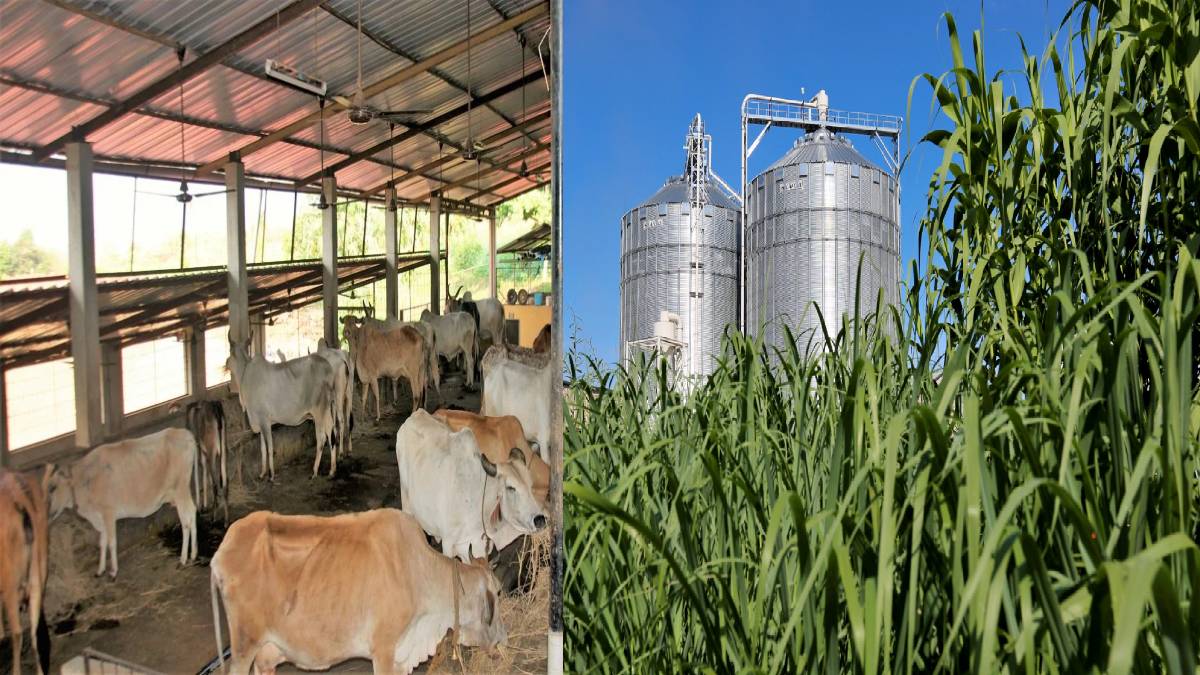
Compressed biogas is produced by processing organic waste (cow dung, agricultural residue, food waste, and other biodegradable materials) through anaerobic digestion. This biogas is purified and compressed into a fuel similar to compressed natural gas (CNG). It can be used to power vehicles, industries, and commercial establishments and significantly reduce greenhouse gas emissions.
India's huge livestock population provides an enormous supply of cattle waste, so the country is ideally positioned to grow biogas production. Instead of allowing animal waste to decompose and release methane into the atmosphere, CBG plants capture the gas and convert it into a useful energy source, providing environmental and economic benefits.
The government's Sustainable Alternative Towards Affordable Transportation (SATAT) initiative has played a key role in the growth of compressed biogas production. The program encourages entrepreneurs, farmers, cooperatives, and private companies to establish CBG plants that supply renewable fuel to oil marketing companies. This initiative supports India’s wider goal of reducing dependence on imported fossil fuels while improving domestic energy security.
One of the advantages of compressed biogas is its role in the circular economy. Cattle waste that was once considered a disposal challenge is converted into clean fuel as well as organic slurry (after production), which is a nutrient-dense organic fertilizer. This is a dual benefit of improving soil health and reducing chemical fertilizers.
CBG plants are also creating new income opportunities for rural communities. Farmers can earn additional revenue by providing cattle waste and agricultural residue to biogas facilities. Local bioenergy projects are creating employment in plant construction, operations, transportation, and maintenance, which is driving rural growth.
In the world of the energy sector, the transition to renewable energy has been accelerating as countries look for alternative options to oil and gas. Rising geopolitical tensions and fluctuating fossil fuel prices have made it very important to diversify energy sources. India’s experience of converting agricultural waste into transportation fuel is an example for other developing countries with large agricultural sectors.
Compressed biogas also serves India’s environmental aspirations. By replacing conventional fossil fuels, CBG reduces carbon dioxide emissions and improves urban air quality. Methane from organic waste is particularly important because it is a greenhouse gas with a higher global warming potential than carbon dioxide over the short term.
Oil marketing companies are also increasingly using compressed biogas in their clean energy strategies to make agreements with CBG producers. As more production facilities are established, renewable gas will be available for the growing energy demand of the country as well.
New technology is also improving the efficiency of modern biogas plants. Advanced purification systems, automation, and waste management practices are making CBG production more commercially viable, and fuel quality remains consistent in line with industry standards.
Although a sunny future is there, there is no quick fix. Large-scale adoption will take time and money investment, efficient use of feedstock and financing, as well as the establishment of a good distribution network. Stable supply chains for organic waste and increasing public acceptance of the benefits of biogas are the keys to long-term success.
But India’s compressed biogas sector is a step forward in cleaner energy and sustainable waste management. Because cow dung and agricultural waste can be converted to renewable energy, this country is demonstrating how traditional rural resources can be combined with modern technology, and at the same time, energy security, environmental protection, and rural development can be the same thing.
As the world searches for low-cost and sustainable energy sources, India’s growing compressed biogas industry is an example of that which is turning waste into wealth to help drive the world’s move to cleaner and greener fuels.