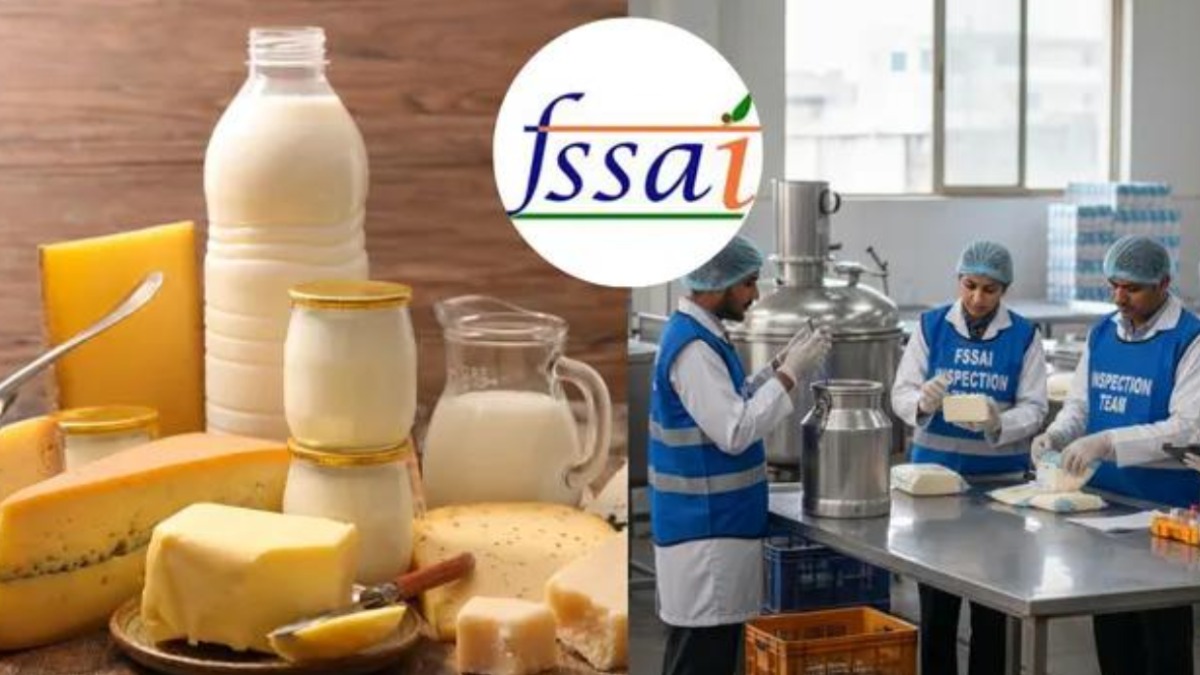
The Food Safety and Standards Authority of India (FSSAI) has suggested a new policy to regulate the marketing of non-dairy and dairy analogs and products in India. Products made from constituents that are not made from milk may not use the word “Paneer” in their product name, labelling or marketing.
The proposal is part of the Food Safety and Standards (Prohibition and Restrictions on Sales) Amendment Regulations, 2026. FSSAI notified the draft on 24 September 2026 and has invited objections and suggestions from stakeholders and members of the public.
Is FSSAI Banning ‘Paneer’?
Not yet. This is a draft regulation; in other words, the proposed restriction is not a final policy that will be enacted in the entire country.
FSSAI has proposed to add a provision that covers “paneer made of constituents not derived from milk.” The draft will be considered after 60 days from the date copies of the relevant Official Gazette notification are made available.
Therefore, claims that FSSAI has already imposed a nationwide ban on the use of the word paneer for such products would be premature.
What Products Could Be Affected?
The amendment is specifically aimed at products licensed or registered for the “Analogue in Dairy Context” category.
If the proposal is finalised in its current form, such products would have to stop the use of "Paneer" in:
Product nomenclature
Labels. Marketing and promotional material
We want to make food products more familiar to consumers in their identity and composition.
FSSAI says the proposed change is intended to prevent consumers from being misled about the nature and composition of products being sold as paneer.
What is real paneer under food standards?
The regulatory distinction is based on the ingredients used to make the product.
The existing FSSAI standards consider paneer or chhana as milk-based. The standards state that paneer is a product made from cow or buffalo milk, or a combination of the two through precipitation with permitted acidulants. Milk solids can also be used in preparation.
The amendment is intended to make the difference between the established milk-derived product and a product based on non-milk ingredients.
Why is FSSAI trying to propose this change?
The stated reason is consumer protection and transparency.
Dairy analogues can be designed to mimic traditional dairy products in appearance, texture, or use and can be made using ingredients that are not made of milk. FSSAI proposes to ensure that the product name and presentation accurately describe what consumers are buying.
The move follows regulatory scrutiny of dairy and cheese analogues being marketed as paneer. FSSAI's Western Region in April 2026 had directed relevant manufacturers and food-service establishments to ensure that cheese analogues were not depicted as paneer and that their use was properly disclosed.
What Happens To Existing Products?
One of the key provisions of the draft is that it could affect products that may be already licensed or registered under the “Analogue in Dairy Context” category.
If the amendment is finalised, these businesses may need to change their product names, packaging, labels and marketing material to remove the term “Paneer” where applicable.
But the final requirements will depend on the outcome of the consultation process and the wording of the final regulation.
60-Day Consultation Period
FSSAI has invited objections and suggestions from stakeholders and members of the public. The draft will be considered after the 60 days specified in the notification.
Consumers and businesses should consider this as a proposal, not an implementation of the measure, until the consultation process is concluded and a final amendment is made.
The regulation could help differentiate between traditional milk-based paneer and non-milk dairy analogues in India's food market if it’s implemented.
For consumers, the goal would be to be clearer about the composition and identity of products sold in the market. For manufacturers and food businesses, the change would mean revisiting product names, labels, and promotional claims for relevant dairy-analogue products.