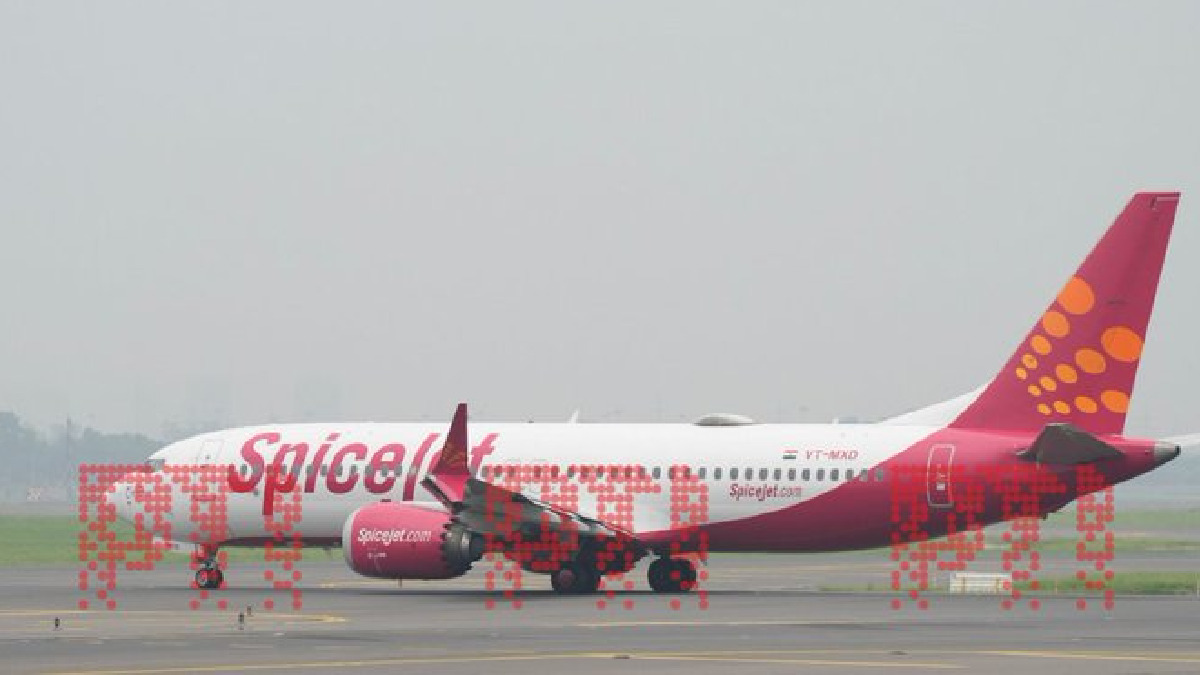
At Indira Gandhi International (IGI) Airport on Tuesday morning, tension was high as a Leh-bound SpiceJet flight was forced to perform an emergency air return. Flight SG121, its parent aircraft, experienced a serious failure of one engine shortly after takeoff, and authorities declared a "Full Emergency" at the country’s leading airport.
The Incident: Minutes of Elevated Pressure
On this day, at about 6:08 A.M., the Boeing 737 departed Delhi with 150 passengers and crew. Within minutes of climbing, the cockpit crew detected a major technical failure. Engine Number 2 of the aircraft on the right-hand side of the powerplant — reportedly failed, according to airport sources. In accordance with standard single-engine operations, the pilots immediately called Air Traffic Control (ATC) to request an emergency return to Delhi.
A massive ground response was mobilized when a Full Emergency was declared around 6:30 A.M. Fire tenders, ambulances, and rapid rescue teams were positioned awaiting the arrival of the airplane along the runway. Still, the SpiceJet spokesperson said there was no fire warning in the cockpit, which reduced the risk of an in-flight fire despite the severity of the technical glitch.
Touchdown Was Safe and the Passengers Safe
It arrived at IGI Airport at 6:49 A.M., only 41 minutes after departure. The landing was completed without incident and the Boeing 737 was then taxied to a remote bay where its 150 passengers were removed from the plane by normal procedure. No crew nor passengers were hurt. “SpiceJet flight on Feb 24 between Delhi and Leh returned to Delhi following a technical issue.
The plane landed safely and all passengers were disembarked,” said a SpiceJet spokesperson. With passengers still stranded, the airline is scrambling to arrange alternate travel, with the plane in question grounded for a complete technical inspection by the Directorate General of Civil Aviation and SpiceJet’s engineering team.
Rise in Investigation of Safety in Operations
The most recent incident was just one of a series of cases on the budget carrier’s increasingly challenging technical path over the past several months. While SpiceJet recently said it has a goal to increase its fleet to 60 planes before its planned winter 2026 launch, the engine failure underscores the continuing pressure on aging narrow-body aircraft.
Given the thin air and mountainous conditions of Ladakh, perfect for high engine performance and reliability, the Delhi-Leh route, air traffic managers said, was “challenging” in the best sense. DGCA will commence examination of the mechanical fatigue and potentially bird strike cause in connection to the failure of Engine 2 as of this date. Currently, the successful emergency landing is a reflection of the flight crew having been stringently trained, and Delhi’s airport emergency services quickly responding.