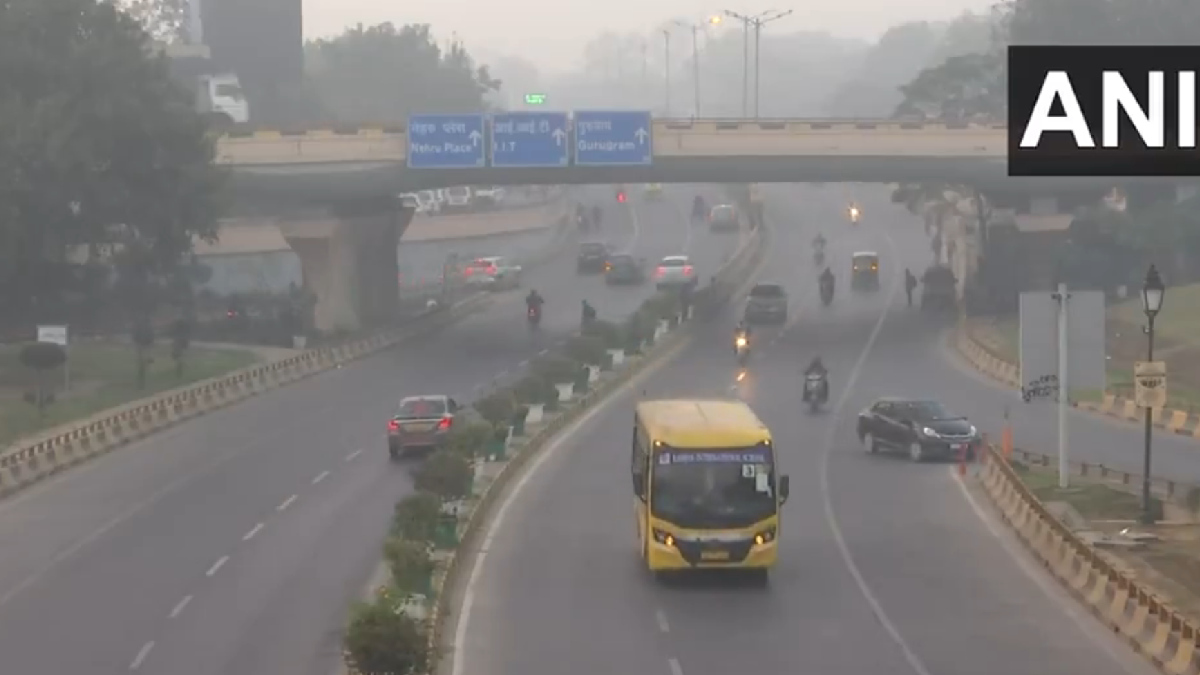
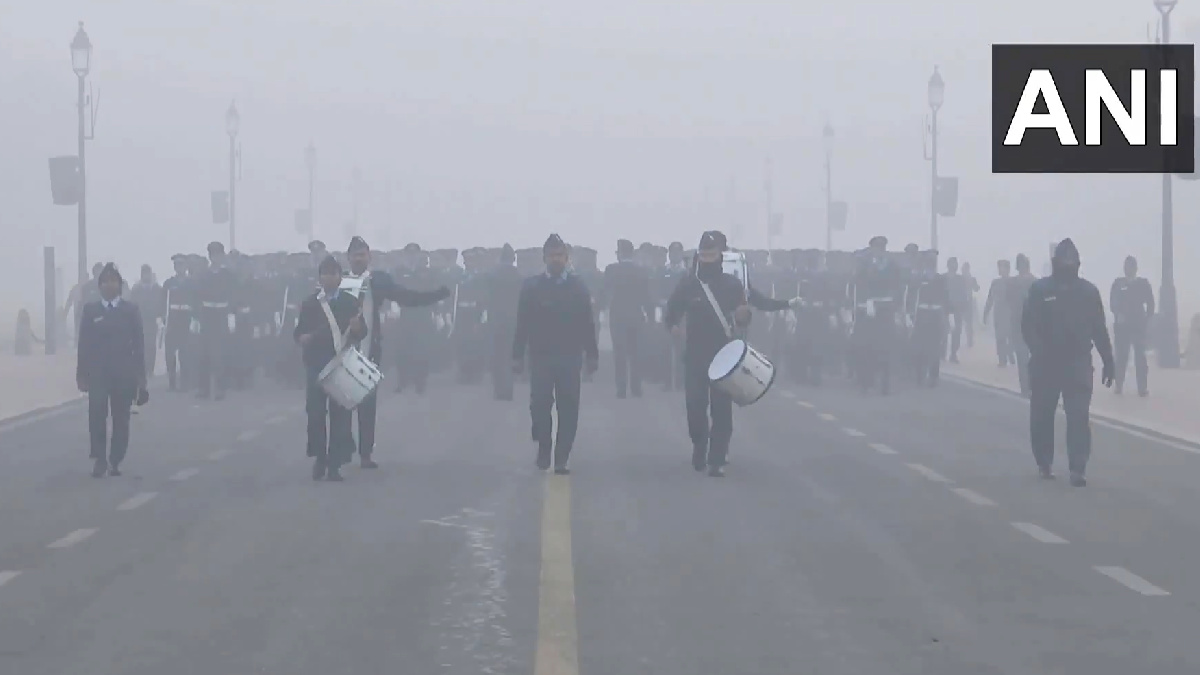
The fight for clean air in the National Capital Territory (NCT) has escalated, with the Delhi government issuing a mandatory order for all government and private offices to operate with only 50% of their staff physically present, while the rest must work from home. This stringent measure has been activated in response to the city's deteriorating Air Quality Index (AQI), which has pushed the air quality into the 'severe' or 'very poor' categories, triggering Stage III or Stage IV of the Graded Response Action Plan (GRAP).
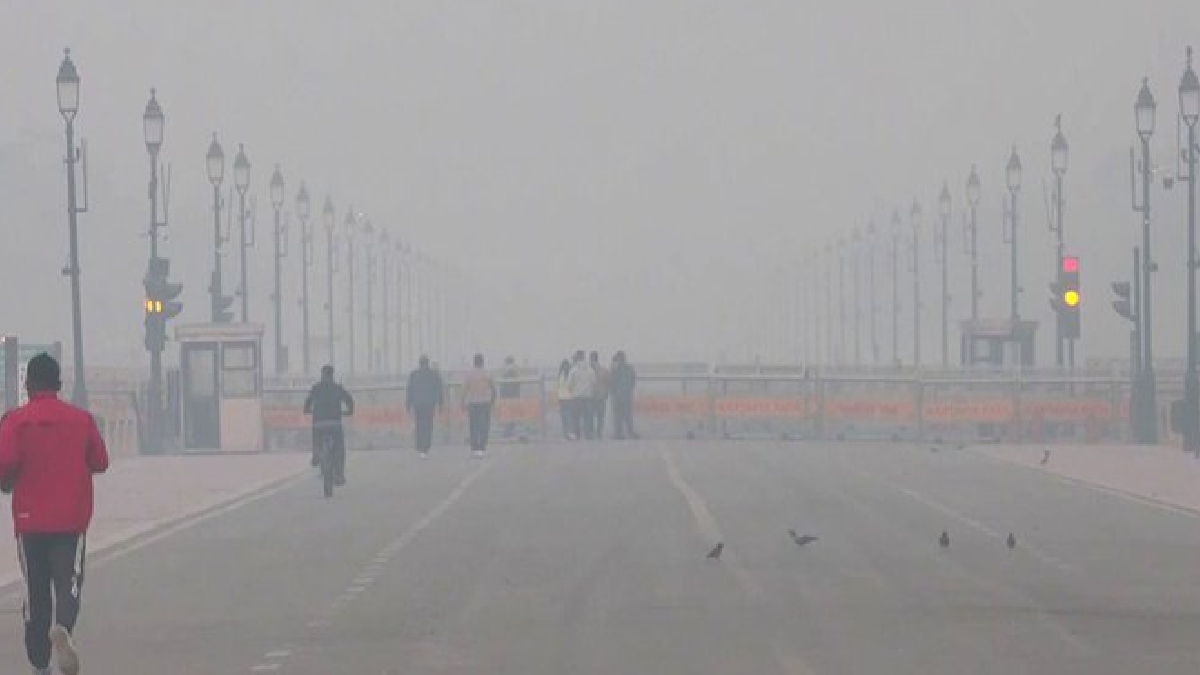
The directive, issued under Section 5 of the Environment (Protection) Act, 1986, is a decisive step aimed at significantly reducing vehicular emissions, a major contributor to the capital's toxic air, especially during the winter months. The move is a direct mandate from the Commission for Air Quality Management (CAQM), which oversees the pollution control framework for Delhi-NCR.
Curbing the Commute: The Rationale Behind the Mandate
The environment department's order emphasizes that vehicular emissions, particularly those associated with daily office commutes, must be curtailed immediately. By limiting the physical presence of employees, the government hopes to:
- Reduce Traffic Congestion: Fewer private vehicles on the road will ease peak-hour traffic, thereby reducing tailpipe emissions.
- Lower Particulate Matter (PM) Concentration: A drop in road traffic is expected to contribute to a reduction in the overall concentration of harmful PM2.5 and PM10 pollutants.
- Protect Public Health: Keeping a significant portion of the workforce indoors and away from the hazardous outdoor air is a necessary health precaution.
This marks one of the most comprehensive mandatory work-from-home orders for the private sector, moving beyond previous advisories. Offices have also been urged to implement staggered working hours wherever feasible, to further minimise peak-time vehicular movement.
Compliance and Exemptions
The order has been directed to all offices functioning within the NCT of Delhi. District Magistrates, Deputy Commissioners of Police, and local bodies have been tasked with ensuring strict compliance. Violations of the directions under the Environment (Protection) Act are punishable, underscoring the seriousness of the situation.

Essential services, however, have been exempted from this mandate to ensure continuous public service delivery. These include:
- Hospitals and private health establishments
- Prisons, public transport, electricity, water, and sanitation services
- Fire services and disaster management agencies
- Departments involved in air pollution control, monitoring, and enforcement
An Annual Crisis: The GRAP Framework
The move comes as the city grapples with its recurring annual air crisis, often exacerbated by a combination of stubble burning, industrial emissions, and local vehicular and construction dust. The GRAP framework is a tiered system designed to respond to escalating pollution levels:
- GRAP-I (Poor): AQI 201–300
- GRAP-II (Very Poor): AQI 301–400
- GRAP-III (Severe): AQI 401–450 (The level which often triggers the 50% WFH mandate)
- GRAP-IV (Severe+): AQI above 451
While the effectiveness of these measures will be keenly watched, the immediate shift back to remote work signals the severity of the air quality emergency and the government's resolve to prioritize public health and environmental mitigation.