What started as a holiday trip to Goa ended in tragedy after a 34-year-old tourist from Karnataka lost his life when powerful waves swept him into the Arabian Sea at the popular Baga Beach in North Goa.
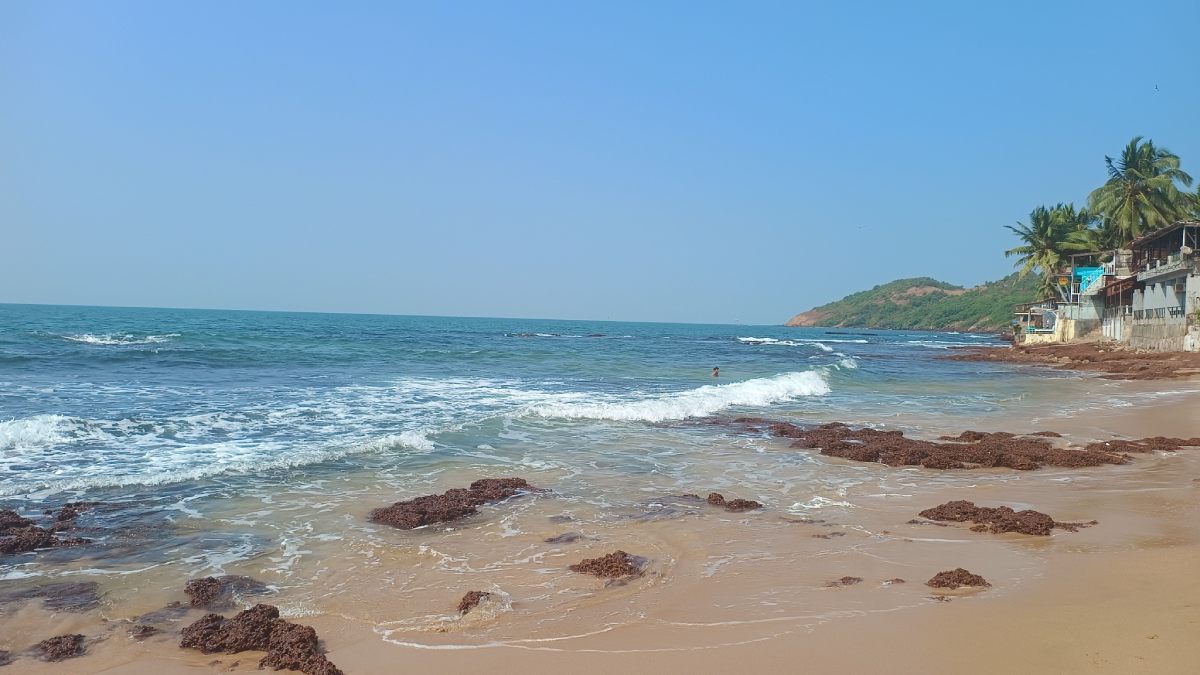
The victim, identified as Ashpak Masali from Bijapur district, was sitting on rocks close to the shoreline when a sudden surge of rough waves hit the coast and dragged him into the sea. Despite the rescue efforts and a search operation by the authorities, his body was recovered from the shoreline.
Since the incident has once again highlighted the dangers of Goa’s coastline during the monsoon season, when rough seas, strong currents and unpredictable waves can turn even relatively safe areas into life-threatening areas.
A Tragic Moment Captured by Nature's Fury
Masali had traveled to Goa to spend the holidays and was at the bottom of the rocky part of Baga Beach, the witnesses said. He had been sitting on the rocks in spite of warnings about dangerous sea conditions, police sources said, they added. A powerful wave suddenly crashed against the shoreline, throwing him off balance and pulling him into deeper waters.
The force of monsoon waves often catches tourists by surprise. Monsoon swells, unlike regular beach waves, can hit suddenly and with enormous force, and it’s almost impossible for a person to escape once they are sucked into the water.

Why Goa's Beaches Become Dangerous During Monsoon
Just days before the incident, Goa's state-appointed lifesaving agency Drishti Marine issued a public advisory warning tourists and residents not to venture into the sea during the monsoon season. So strong currents, high waves and ever-changing weather conditions make coastal waters especially dangerous, it said. The agency has issued red flags on beaches to warn visitors of the dangers.
Most drowning incidents do not occur because people are deliberately diving into deep water, but rather because they underestimate the force of waves near rocks, jetties and coastal structures, experts say.
A Recurring Safety Concern
The tragedy is not an isolated case. Many rescue operations take place on Goa beaches each year, especially during hard weather. Lifeguards rescue people caught in rip currents or swept away by strong waves. Tourists are warned to follow lifeguards’ instructions and not to go into restricted areas, too, the authorities said.
Baga Beach is one of Goa’s most visited tourist destinations, with tens of thousands of people visiting it every year. Yet the monsoon changes the coastline so dramatically that the calm waters are as different as possible.
Authorities Renew Safety Appeal
In Masali’s death, authorities once again encouraged tourists to take care of safety and heed warnings from lifeguards and local officials and to respect warnings issued by lifeguards and local officials. They stressed that photographs, videos and sightseeing activities near rocky coastal areas should never sacrifice personal safety.
The incident is an eye-opening reminder that nature can be unpredictable. A holiday in Karnataka for a family of six who got lost and whose memories died and then went bad, and thousands of visitors who are going to Goa in monsoon season, will be unable to move on to a better life; that is why it is important to be very cautious at sea.