A science project that was government-funded in Madhya Pradesh’s research project has been put under fire after accusations about misuse of public resources emerged. Conducting research to develop a cancer-curing drug using cow dung and urine from commercialised cow products that was given ₹3.5 crores at Nanaji Deshmukh Veterinary Science University of Jabalpur. It was rooted in customary Indian medicine as well as looking to explore the healing properties of Panchagavya, a blend of cow dung, urine, milk, curd, and ghee, but implementation has cast a pall over critical thinking.
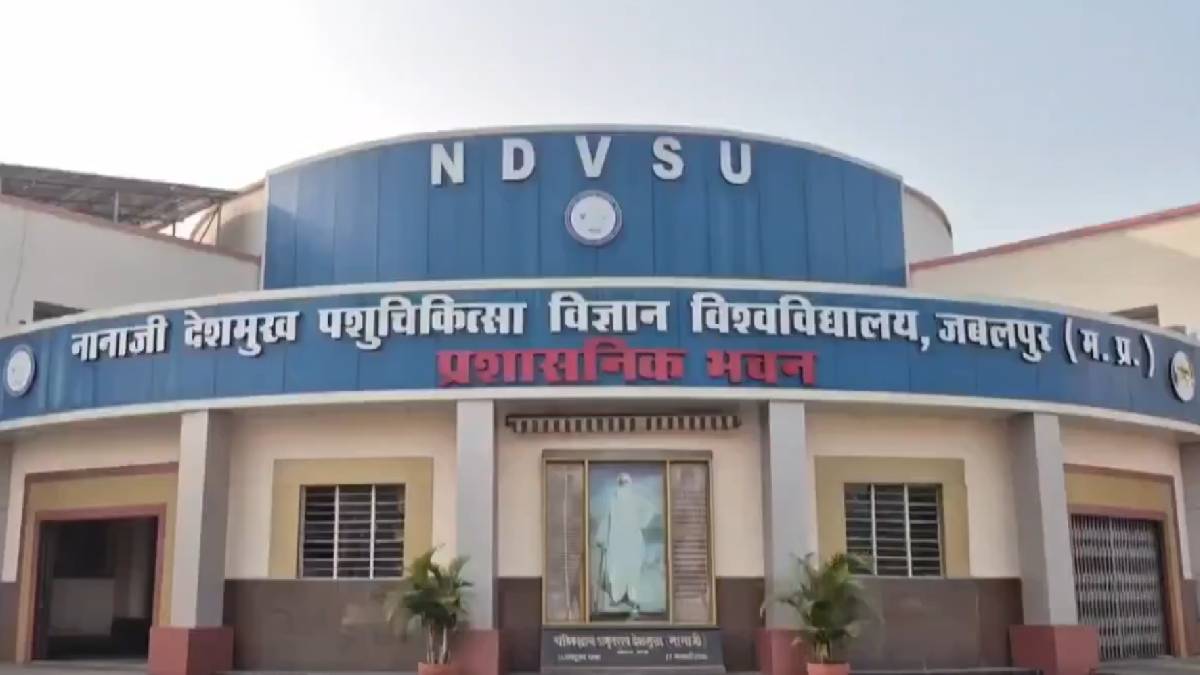
The research project commenced with the goal of encouraging indigenous practices and adding them to contemporary medicine. The university's budget was estimated at ₹8 crores but the government gave ₹3.5 crores for the initial phase. This project was supposed to give science verification on the use of cow-based products in treating cancer.
₹3.5 crores was allotted by the govt to find cure to cancer using cow dung and urine at Nanaji Deshmukh Veterinary Science University. The officials spent ₹1.92 crores on cow dung, urine and other raw material. Rest was used for 23-24 Goa trips. pic.twitter.com/r0p12PbbK2
— Piyush Rai (@Benarasiyaa) January 9, 2026
Yet recent findings indicate that the funds may not have been used entirely for research purposes, as previously hoped. Based on a government inquiry's results, ₹1.92 crores were consumed by buying cow dung, cow urine or other raw materials. Investigators pointed out that it is widely believed that the prices of these items in the market were lower than the actual spending that was done, implying inflated prices, and also possible fraud in procurement. The ₹1.58 crores remaining, it was alleged, was utilized for several trips to Goa, air travel, stays at hotels and a purchase of a car. These expenses have come under scrutiny, especially if there is little indication that the trips were closely related to the research.

The probe, which lasted from 2011 to 2018, found missing documents and bills still incomplete. There is no scientific breakthrough or peer-reviewed research available to support this project's claims, despite the massive investment in research. Because we were so secretive, and our claims were not validated and the system of accountability was questionable, there was a lot of attack from the public and scientists.
Officials at the university say they have had no part to play. They say the research was in good faith and that all costs were expenses as set out by the government. They also say it requires time to collect results in such studies, and the project was part of an initiative to bring back traditional medicine. Critics say that if such claims are not backed up by clear documents and scientific evidence, it is impossible to be convinced.
This has ignited a larger debate about traditional medicine in modern healthcare, and the importance of a scientific evaluation before injecting public money. While many people in particular support exploring natural remedies, they also insist on accountability and results. The Case became an emblem of how an ad hoc and not well-monitored research project can waste resources and break public confidence.
At this point there has been no FIR submission, but they are doing more to act as their investigation does indeed continue. The facts in this case could impact other forms of research, but especially those conducted on the practice of alternative medicine.
The incident is a cautionary tale: While innovation and tradition do indeed go hand in hand, they ought to be accompanied by transparency, scientific rigor and responsible spending of taxpayer funds. If we fail to establish such safeguards, even well-meaning projects are likely to become cautionary tales.