After explosive reports in Israeli media detailing the elimination of Gholam-Hossein Mohseni-Ejei in a major joint attack on Tehran Saturday, the world is staring down the neckline of the man who had been the judicial spine of the Islamic Republic for decades. As Iran’s chief judge since July 2021, Mohseni-Ejei was far more than a judicial decision maker he was the emblem of the regime’s uncompromising hostility to dissent, earning the country a reputation abroad as a “death sentence-happy” officer.
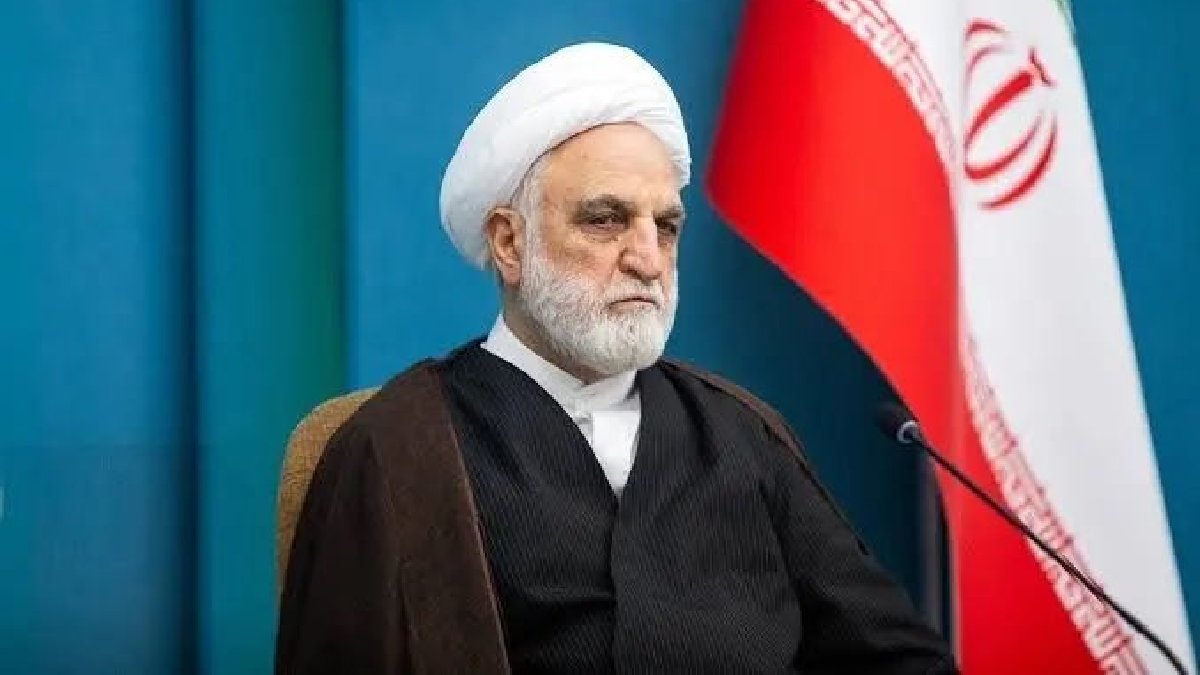
From the "Death Commission," 1988 to Chief Justice
Mohseni-Ejei, who was born in 1956 in the Isfahan province, climbed up the ranks of the Haghani Seminary in Qom, an institution known for producing the regime’s most hardened security and judicial figures. His career took place with his closeness to the Supreme Leader and his readiness to go to extreme lengths to maintain the state.
Although he was not a regular member of the notorious “Death Commission” in 1988 that murdered thousands of political prisoners, human rights organizations say he had a pivotal administrative job in that period. He then became Minister of Intelligence (2005–2009) and Attorney General, during which time he developed the skills in securing on-air "forced confessions" to crush political movements such as the 2009 Green Revolution.
"The Biting Judge"
Mohseni-Ejei was given the horrifying nickname "The Biting Judge" after a meeting of the Press Supervisory Board in 2004. Then Ejei reportedly threw a sugar bowl at Saharkhiz before biting him on the shoulder during an argument with Reformist journalist Isa Saharkhiz. The incident came to symbolize his aggressive, visceral response to people who challenged the authority of the Islamic Republic.
“Execution Spree” Coordinator of Recent Event.
The bulk of the following time, he ruled as Chief Justice (successor to Ebrahim Raisi) with harsh repression of the “Woman, Life, Freedom” protests that swept Iran following the death of Mahsa Amini. Under his command:

- Mass Arrests: Tens of thousands have been held, some of them under what Amnesty International described as “systematic torture.”
- Swift Executions: He, for example, urged the “swift punishment” of protesters, and those detained were publicly hung like wrestler Navid Afkari (who was charged with Moharebeh (waging war against God)).
- Largest female execution rate: His judiciary is said to have killed at least 46 women, the highest number in more than a decade, in just 2023.
High-Value Target
For Israel and the United States, Mohseni-Ejei was more than just a judicial officer; he was a seminal architect of the regime’s internal security apparatus. Through the attack on the “Nerve Center” of the judiciary on Saturday’s strikes, which was part of a broader campaign, the coalition hoped to cut off the system giving birth to the legitimacy of state violence against the state’s own people.
If Tehran confirms his death, a career on which critics were forced to live for four decades after facing accusations of “legalized terror”, would formally end. For the families of the men he sentenced to die, the report of his elimination is an example of profound, if disorienting, moment of justice.