The government is putting much more effort behind tougher land ownership laws for heirless and unclaimed land in its first comprehensive action against land fraud and illegal property seizure.
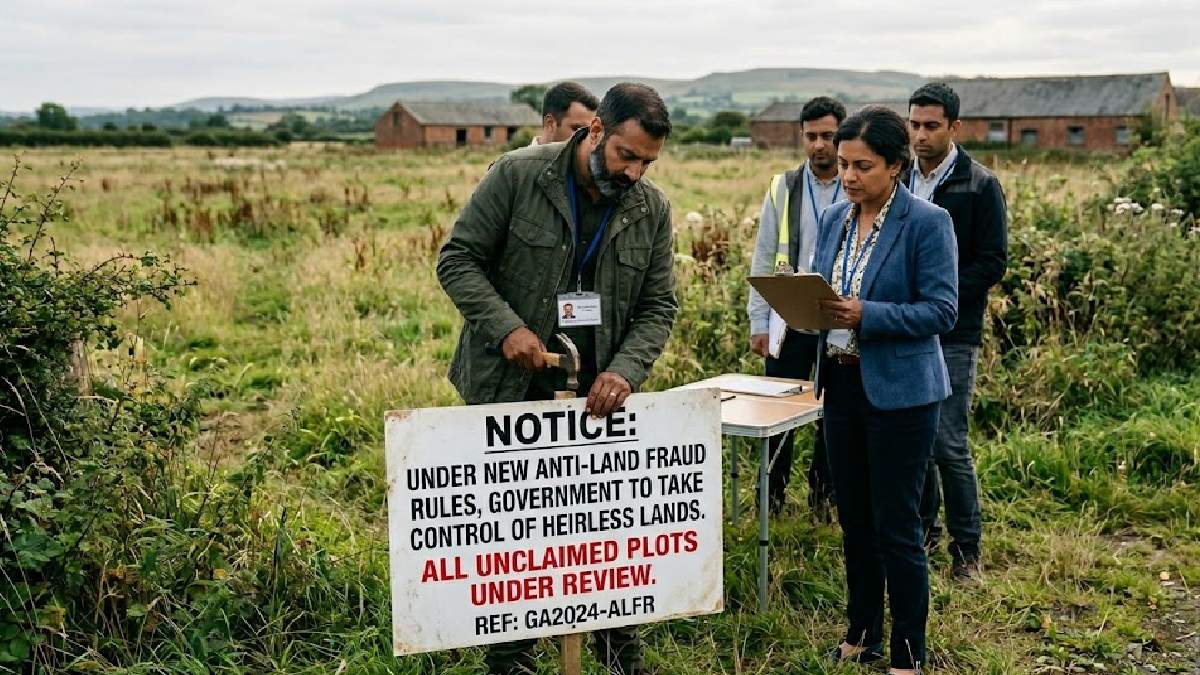
As a result, under the scheme, once a property has been verified through a legal process, and if there are no legal heirs or verified claimants for it, it may eventually come under government control. The move is regarded as a bold move to deter land mafia networks and the dirty property transfers that have seriously endangered property in several provinces in the country.
It is thought that the new measures would make illegal occupation, fake inheritance claims, fake documentation and manipulation of land records where a deceased owner leaves no direct successors easier to control. Authorities say heirless properties have turned into one of the targets of organised land grabbers who take advantage of loopholes in the system.
It’s easy to get lost on those empty properties and sites, often left to sit dormant for years without being legally resolved. The tighter rules will also require revenue and local administration departments to do additional due diligence before classifying any property as heirless.
They will supposedly review land records, succession files, family records, wills, tax records and public notices to determine that there is “no real” heir. You could be entrusted with the property to government custody if any lawful heir or legal beneficiary cannot be found by any legal means in the relevant legal period.
It is believed authorities say this mechanism will deter illegal trading, and shorten lengthy disputes about abandoned or disputed land. This is believed to have a material impact on land mafia operations in urban and semi-urban areas where the value of land has soared in recent years.
Criminal groups have reportedly repeatedly located previously abandoned areas and then made use of counterfeit documents, fictitious legal heirs or political power to take over illegally, experts say. ‘Inevitably, real estate and legal professionals are welcoming more stringent verification, all the while stressing that it is essential to follow the lines of transparency and fairness in execution, and even to a large extent, enforce such principles,’ it added.
And real heirs residing abroad or families faced with documentation obstacles should be spared procedural headaches, they contend. Officials familiar with the proposed order were told that, before the government formally takes possession of any property, multiple levels of verification and public notification could be made obligatory.
In newspapers, offices at the local government level and digital property records applications, all sorts of notices of open-ended disputes and public interest were made. In many states, the ownership of disputed and abandoned land has become more sensitive with the rise in land prices and rapid urban development.
In more than one case, illegal encroachments and fraudulent land registrations have caused lengthy litigation and loss of money for genuine property owners. Other experts mentioned digitisation of land records and improved property databases, and that, as a result, governments have been able to maintain tracking of ownership history and pick up on irregular transactions.
New rules are likely to complement existing land record modernisation plans designed to stamp out corruption and enhance accountability in the property register. The move might also enable governments to use unclaimed land for public infrastructure, housing projects or community development instead of letting such properties languish under illegal occupation for years.
But legal watchdogs suggest the policy will largely rely on how effectively local authorities police the situation, and for which authorities prevent abuse of authority. In India, property disputes are frequently fraught with emotional and legal complications, including extended families, undocumented inheritances, and overlapping claims.
On the part of ordinary people, the incident illustrates the significance of having up-to-date legal documents, registered wills, succession certificates, and correctly recorded ownership documents. Lawyers say families should make sure inheritance issues are legally established to prevent future disputes or complications.
The targeting of heirless property fraud is an indication of the government’s desire to tighten control of the illegal land market and reinforce the legal framework of property ownership. If enacted successfully, the new rules stand to roll back as huge a setback for land mafia networks that have built off weaknesses in the system for decades.