The Central Board of Secondary Education (CBSE) has reacted to a rising concern that the board’s online systems could be hacked.
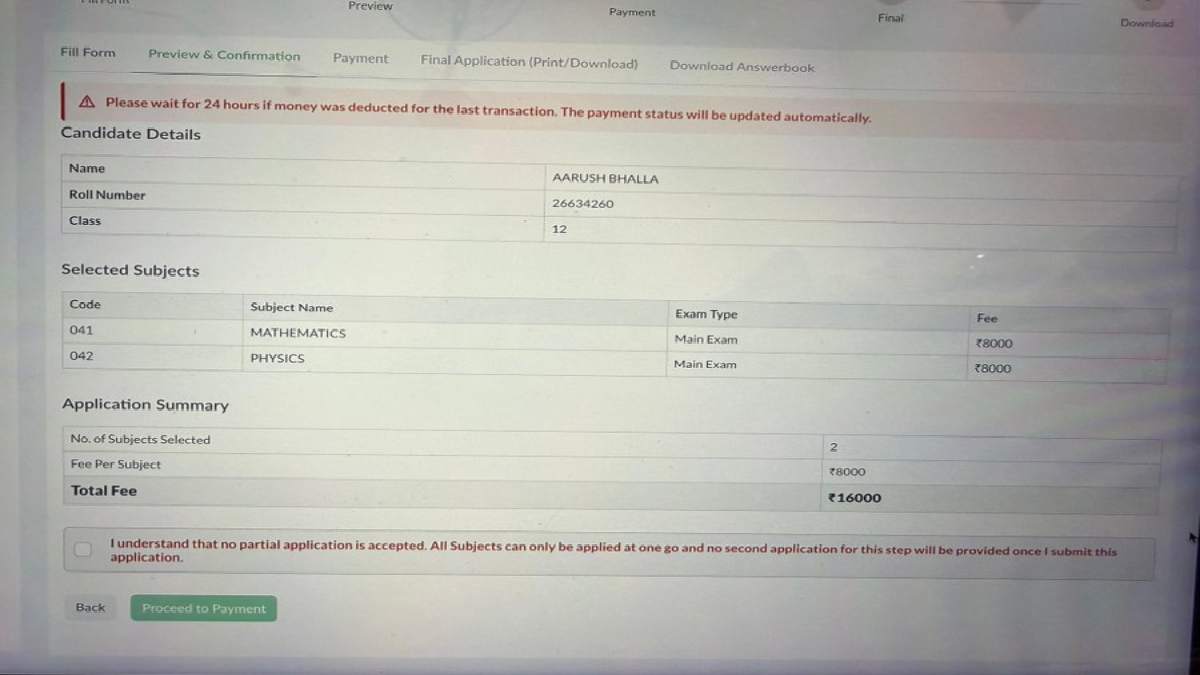
In response to speculation, CBSE said its systems had been compromised by “unauthorised interference,” but it did not provide evidence of a widespread data breach. Users have sounded off after bizarre activities and technical glitches on the CBSE portal caused widespread panic among students, parents and schools across the country, the statement said.
Criticism erupted on social media from people, saying the board’s digital infrastructure had been penetrated. CBSE admitted that some illegal attempts at disrupting the operation of the portal have been made with the aim of impeding functionality, it said in its response.
But the authorities had said they were moving quickly to implement critical cybersecurity measures that could help keep the situation in check, minimise fallout and make it less likely what could happen. The full details of the interference have not yet been revealed by the board (what it is, an attempt, if any, at hacking, servers being manipulated, unauthorised access attempts, or some other sort of cyber incursion).
Law enforcement officials have also failed to verify whether any student- or even institutional-level data was accessed at the time of what happened. Still, the concern has raised fears of being drawn into security holes in large educational organisations, particularly those that hold sensitive student information from examination records, but also information about the student’s identity, academic certificates and digital credentials.

@cbseindia29 #cbse #cbseresults #revaluation #osm #class12results
— KA@KeshavAgarwal (@keshavagarwalep) May 22, 2026
Cbse ab aur shock Sehani ki himmat nahin hai baccho mai...
Papers were checked using outstanding OSM...
Payment ke liye kya use Kiya jo Awesome hai...
SHOCKING...
16000 FOR TWO PAPERS 😱🤔 pic.twitter.com/Bvs9HB53TO
And as a school that is highly reliant on CBSE’s information systems, whether through results, registrations, mark sheets or official writing, anything that disrupts these systems or even just the suggestion that there is some sort of breach is causing the internet-dependent users a generalised amount of anxiety.
Cybersecurity experts also say schools and colleges have been more threatened by hackers than any other sector in a year because personal and academic data is stored on the digital scale. Hacks take advantage of the weak infrastructure, slow systems, or exam rushes to make their attacks happen.
Some of the reports have reportedly raised concerns among students and parents after reports were released on the safety of their personal information and the academic records of the students. Some have also questioned other initiatives to bolster cybersecurity around India’s education system.
CBSE officials said they had announced to stakeholders that the monitoring system was in place and technical staff were performing more assessments. The board is also reportedly collaborating with cybersecurity professionals to investigate this incident and prevent the incident in the future.
While there’s no official confirmation of data theft yet, communication in a timely fashion, in a transparent manner, and in a situation like this, is critical in the face of information that goes over the internet on an unprecedented scale, reducing misinformation and panic among users.
One education firm actually went through with additional cybersecurity preparation training, and this is clearly needed, especially as education services transform into the digital space. Over the past few years, online operations of schools and universities, exam boards, public schools and universities have developed rapidly, and they are increasingly dependent on secure systems of digital technology.
Cybersecurity experts said public sector enterprises that manage large-scale online data warehouses will need to upgrade security frameworks, conduct vulnerability testing and constantly fine-tune monitoring systems.
Media coverage of the CBSE episode elicited new conversations about how prepared our digital infrastructure is in an era where so many schools continue to supply information for their online exam applications, to obtain admission, to complete a selection of exams or to record their study and study notes.
The technical review and investigation are followed by a bit more on it. There’s also been an argument that they can leave some of the content of those sensitive communications to students and schools on official CBSE communication channels, and do not put that out there with links that may or may not be authorised and fact checked and untrusted websites or portals that can potentially be accessed by us or are updated.
In the context of a nation on the rise in adopting digital systems, the case is yet another demonstration of the imperative role sound cyber controls can play in protecting student data across online educational applications – as well as in ensuring confidence in those technologies.