Early this week, almost 18 years after one of India's deadliest terror attacks, the Gujarat High Court on Tuesday upheld the death sentences awarded to 38 convicts and life imprisonment for 11 others in the 2008 Ahmedabad serial bombings case. The decision is in line with the decision of a special court in 2022 that convicted members of the banned terror outfit Indian Mujahideen (IM) of carrying out the coordinated bombings.
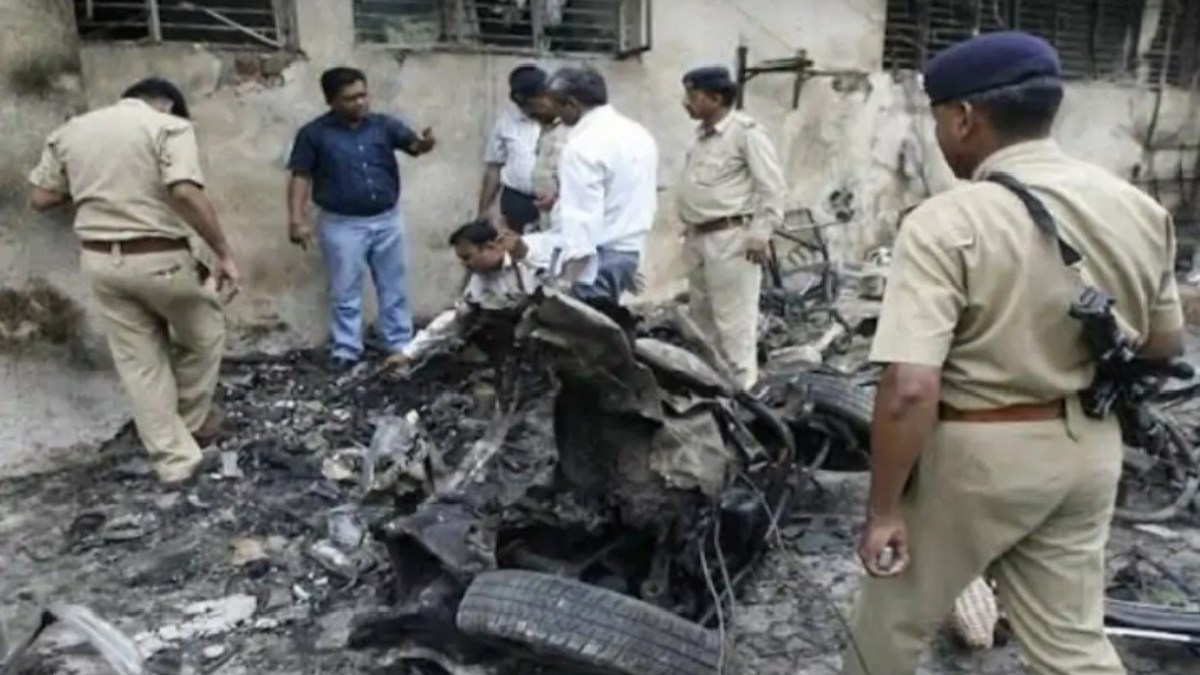
A division bench made up of Justices A.Y. Kogje and Samir Dave dismissed all appeals filed by the convicts and upheld the special court's decision and the sentences. The High Court's decision marks another major legal milestone in a case that remains one of India’s biggest terrorism cases.
A unanimous High Court decision for ‘Rarest of Rare’
In February 2022, a special court sentenced 38 convicts to death and 11 others to life imprisonment, describing the case as falling in the “rarest of rare” category because of the scale of the attack, the loss of innocent lives and the deliberate targeting of civilians and hospitals.
The convicted individuals challenged the verdict before the Gujarat High Court, seeking relief from their sentences. But after hearing the appeals, the High Court confirmed the convictions and confirmed the punishment given by the trial court.

However, the judgment strengthens the conclusion that the coordinated bomb blasts were carried out by operatives connected to the Indian Mujahideen as part of a conspiracy to terrorize India.
The 2008 Ahmedabad Serial Blasts
The Ahmedabad serial bombings occurred on July 26, 2008, just a day after coordinated explosions struck Bengaluru.
At 6:45 p.m., 21 low-intensity bombs exploded in 14 locations in Ahmedabad in nearly 70 minutes. The attacks claimed 56 lives and injured more than 200 people, making it one of the worst terror attacks in Gujarat's history.
Several crowded public places were targeted, including Maninagar, Raipur, Bapunagar, Hatkeshwar Circle, Sarkhej, Thakkarbapa Nagar, Khadia, Sarangpur, Jawahar Chowk, Isanpur, Govindwadi and Narol.
In a particularly chilling aspect of the attack, bombs also exploded near Ahmedabad Civil Hospital and another hospital where victims from the earlier blasts had been shifted for treatment. The attackers deliberately targeted medical facilities to maximize casualties and create panic, investigators said.
Investigation linked attack to SIMI and Indian Mujahideen.
According to investigators, the conspiracy behind the serial blasts was planned during a secret training camp organised by the banned Students Islamic Movement of India (SIMI) in Ernakulam, Kerala, in December 2007.
The camp was reportedly led by SIMI chief Safdar Nagori and was attended by around 50 people from different states. Participants were trained in terms of physical, ideological and arms training, investigators said, before the terror attack happened months later.
Just minutes before the first explosion, several media organisations received an email claiming responsibility for the attacks. The banned terror outfit Indian Mujahideen later said the bombings were carried out as “revenge” for the 2002 Gujarat riots.
Dramatic Prison Escape Plot During trial.
The long trial also featured a dramatic twist when 24 accused allegedly tried to escape from prison by digging a 213-foot-long tunnel. The escape plan was foiled before it could be executed, preventing what could have been one of the most significant jailbreaks involving terror accused in India.
A Landmark Judgment
This is one of the biggest verdicts in the long legal struggle over the Ahmedabad serial bombings. By upholding the sentences imposed by the special court, the Gujarat High Court has confirmed the findings of the trial court in one of India’s most devastating terror cases.
While the convicts may still pursue legal remedies before the Supreme Court, the High Court's judgment is a major affirmation of the prosecution's case and underscores the judiciary’s response to one of the country’s most horrific acts of terrorism.