Gujarat is working to control plastic pollution around Nalsarovar Bird Sanctuary, and another project to improve waste collection and protect the sensitive wetland ecosystem is in place.
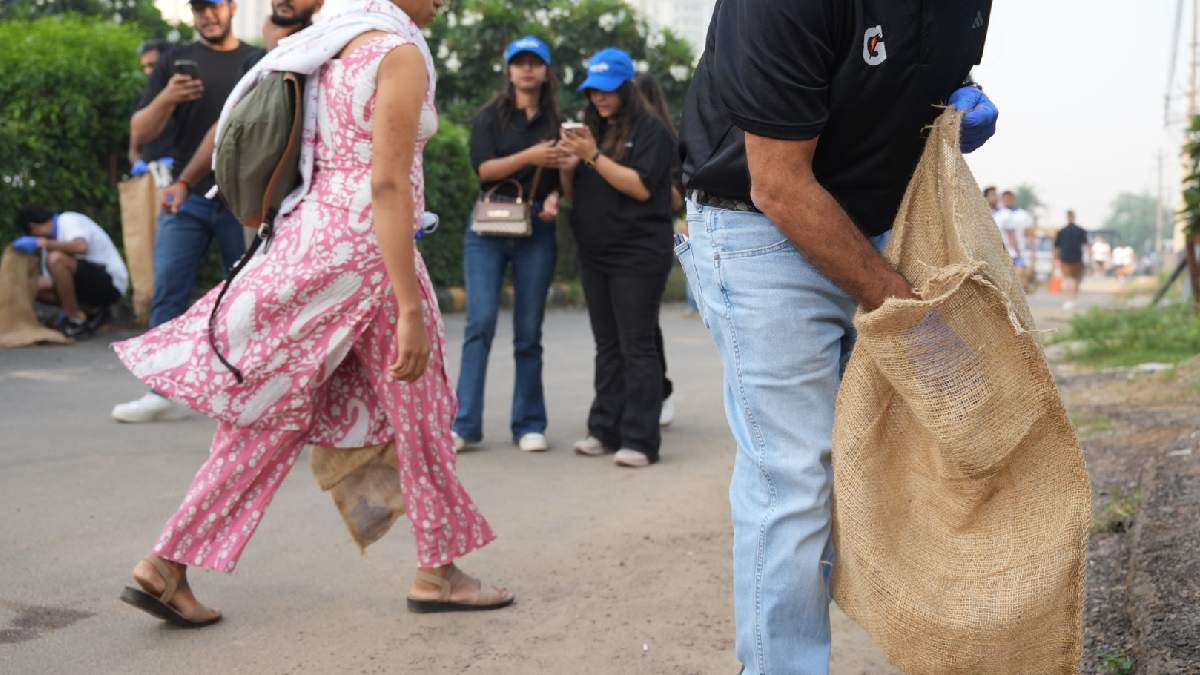
Nalsarovar, in Ahmedabad, is one of the most important wetlands in Gujarat and has rich bird life. The sanctuary houses many migrating and resident birds during winter months, and its lake, islands, and surrounding wetlands are one of the major feeding and breeding spots for birds and other wildlife.
Plastic waste is an environmental issue now in and around the sanctuary. Plastic bottles, food packaging, bags, and other waste can be tossed into the water and remain in the ecosystem for many years. Pollution can affect aquatic life as well as birds and others.
The new project will also work to improve the collection, segregation, and management of plastic waste in the vicinity of Nalsarovar. The initiative is also expected to encourage better disposal practices with visitors and local people.
There are wetlands where plastic waste would help because pollutants are often spread through water easily. Plastic items left along the shoreline or thrown away by visitors can eventually be introduced into the lake. Small pieces of plastic are often mistaken for food, and bigger plastic items can be a threat to natural habitat.
Waste collection is going to be one of the main objectives of this initiative, and awareness will be a big part of this initiative as well as waste collection.
Visitors to Nalsarovar should be aware of not only waste collection but that they should also avoid single-use plastic items, have reusable alternatives, and use recycling bins and waste bins to the best of their ability. Local people and businesses close to the sanctuary can also contribute.
The project also reminds us of the importance of responsible tourism. Nalsarovar draws nature lovers, photographers, and birdwatchers year-round.
When the numbers of visitors increase, we need a sound waste management strategy to avoid further pressure on the wetland that would be adversely affected.
Gujarat’s protection of Nalsarovar is crucial not only because of its biodiversity but also for the environment as well. Healthy wetlands provide food and shelter for birds and the aquatic ecosystem, and support the sanctuary, which is vitally important for nature.
Scientists and environmental groups have been demanding the cutback of plastic use in ecologically sensitive areas. Cleaning up trash already around us might be a good first step, but reducing plastic in the natural environment is also part of sustainable ecological conservation as well.
The success of Gujarat’s initiative will depend on the continuous collection of waste, recycling, and cooperation from the people living and working around Nalsarovar.
If such programs are maintained over time, the project can help to make the sanctuary a more habitable area for wildlife.
We have taken a step to integrate waste management with wetland conservation. Plastic must be kept out of Nalsarovar to preserve its natural character and the bird habitat for years to come.