Himachal Pradesh is harnessing AI to transform its afforestation efforts in order to create more green cover and use public funds more efficiently.
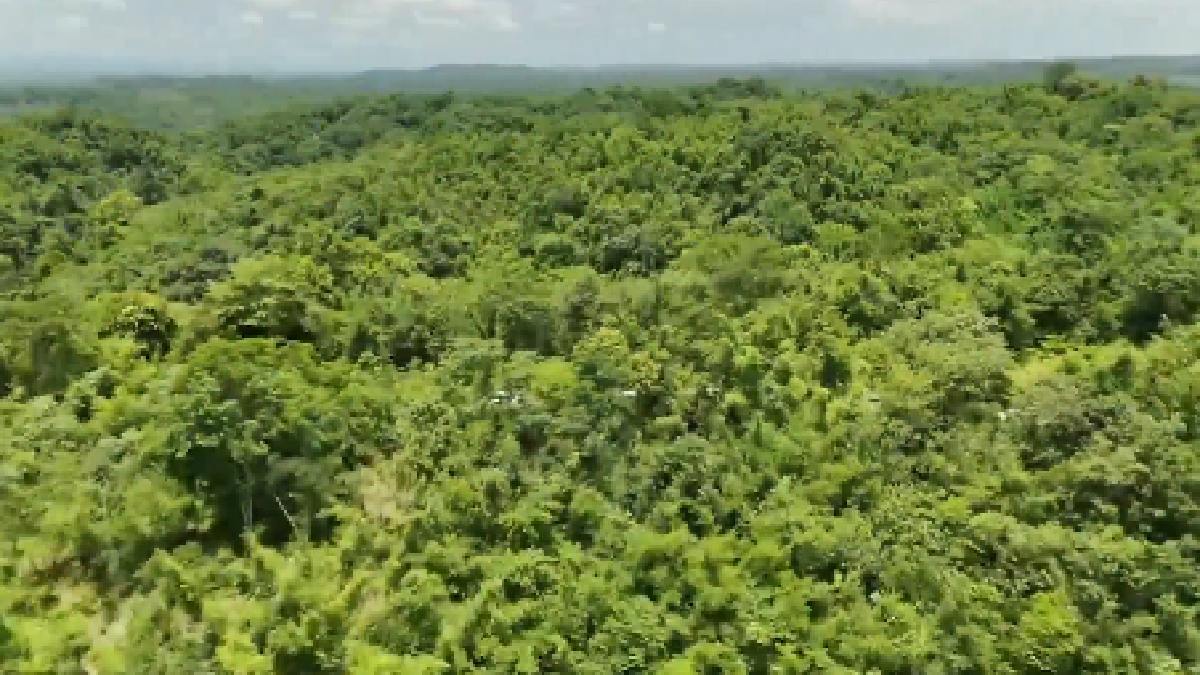
AI-enabled ecological restoration in the state is designed to find the most suitable sites for plantation and identify the best tree species by using scientific analysis.
Dr. Pushpendra Rana, Special Secretary Government of Himachal Pradesh, said that plantation drives have been conducted in the state for many years but the research revealed a major challenge.
A study done by the state a few years ago showed that almost 50% of the plantation budget was being spent on unsuitable locations or areas where vegetation already existed, reducing the overall effectiveness of afforestation projects.
To address this problem, the government conceived an AI-driven solution that addresses two key questions: 'where to plant and what to plant'.
In this system, machine learning and ensemble modelling are used to assess whether a particular site is suitable for plantation, and the chances of survival for specific plant species.
One of the unique features of the platform is its user-friendly Telegram-based plantation bot. Anyone standing at a location in Himachal Pradesh can simply send a "Hi" message to the bot.
The application instantly detects the user’s location and performs an instant assessment, recommending whether the site is suitable for plantation and identifying the most appropriate tree species for that area.
The AI model has been built based on more than 350 environmental parameters such as soil quality, rainfall patterns, climate conditions, terrain, elevation, and altitude. To increase accuracy, the state has divided Himachal Pradesh into over 7,95,000 geographical tiles, with each tile being approximately seven hectares. Each tile has its own ecological profile that can be used to give location-specific recommendations.
The Forest Department introduced the platform as a large-scale pilot project last year. During the trial phase, the application was deployed on 250 locations and around 3,000 to 4,000 plantations were done on nearly 400 to 500 hectares of land.
Dr. Rana said preliminary surveys indicated a plantation success rate of 80% to 85%, which is higher than conventional plantation methods.
#WATCH | Shimla, Himachal Pradesh | On AI-Powered Ecological Restoration System, Dr Pushpendra Rana, Special Secretary (Disaster Management), Government of Himachal Pradeshm says, "Plantations have been carried out in Himachal for a long time, and some results are truly… pic.twitter.com/rqgBYC6Jg8
— ANI (@ANI) July 29, 2026
As such, officials say, the technology will not only be beneficial for forest restoration but reduce unnecessary government expenditure and will only plant saplings in the scientifically suitable locations. When plants are grown in the right environment, the state expects healthier forests, more biodiversity, and better long-term ecology.
It also demonstrates how AI can help in environmental conservation as well as traditional forestry procedures. As Himachal Pradesh continues to assess the project’s performance, the state hopes the system can be used as a model for smart afforestation throughout India.
As climate change and deforestation become more imminent, Himachal Pradesh’s AI-powered ecological restoration system shows how data-driven technology can make conservation efforts more effective, sustainable, and economically efficient.