It is a right to enjoy freedom in public spaces and this in the present context of a world with many religions. India is a diverse country composed of people of different religions and religion is one of them. Religious freedom is guaranteed to an extent in the Constitution of India but our freedom comes with a responsibility too that is always there as per laws and ethics.
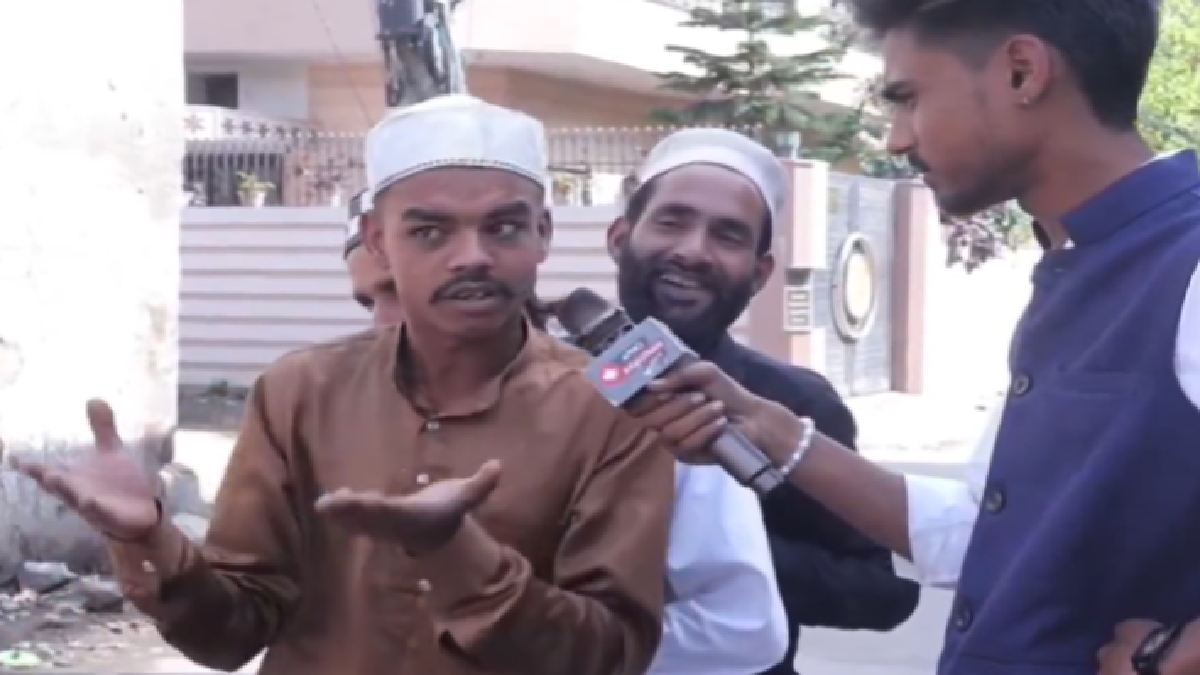
Recently, the recent incident of Jaipur in Rajasthan has aroused public worry that something must be done because nothing works in this new city. A Hindu tea shop owner was pressured to close his shop for Muslim prayer during Namaz, says Hindu students' weekly assembly. The debate has brought religious freedom, social harmony and even property rights on public grounds into the forefront.
The tea shop owner was asked to close down his establishment during Namaz hour, said local reporters. That wasn’t even directed by the government at them, but some people who believed businesses should be closed while prayers were being held in the shops itself. This kind of pressure, a legal business where one local population imposed its religious demands at the expense of another one but then another.
India is neither a theocratic one and yet secular because every Indian citizen is allowed to exercise his or her religion in an open country. At the same time, no one should always force others to act as they see fit. To ask a Hindu business owner to shut itself down during Namaz is unfair to the point of equality (and freedom) and sends the signals out. That is why when these laws are allowed such practices will lead to distrust and division.
But this incident is about more than just one tea shop. It is also a story about how communities interact in shared spaces. Personal religious practices but public spots belong to all of us. A temple, a mosque, a church may have its own rules in its premises but outside of it the law has to rule there and that makes it hard to make there a law of the land. Respect each other’s faith and it is how these communities can function without conflict and work together and stay in peace.

The Jaipur story shows us that India’s strength is unity and respect for diversity. When we put pressure on people to close out of their own homes and business in Namaz we are not only playing the part of the shopkeeper in a non-religious system that we are selling ourselves but we risk damaging secularism as well. A respect for religion is a place where our religion is respected and where we not only practice it without affecting others. The truth of a community’s freedom should all sides to society work towards the same end, for all India should learn this and know that freedom is communal, is not only a matter of belonging to a specific people, but of all the people and not only for a few people.