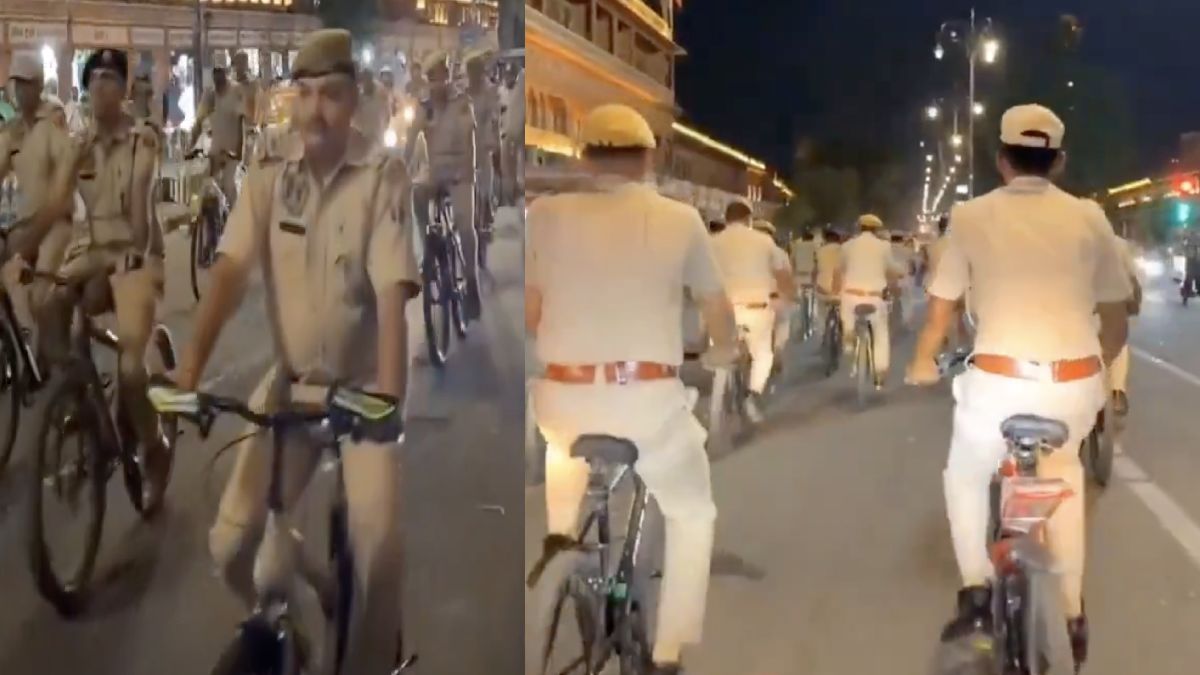
In the holy month of Ramadan, a memorable sight was witnessed in Jaipur, Rajasthan. At Badi Chaupad, in the Manak Chowk police station area, over 80,000 participants attended as they prayed the special Alvida Jumma namaz. This prayer, observed on the last Friday of Ramadan, holds special spiritual significance for Muslims. The enormous turnout reflected not only devotion but raised the questions of crowd control and government readiness.
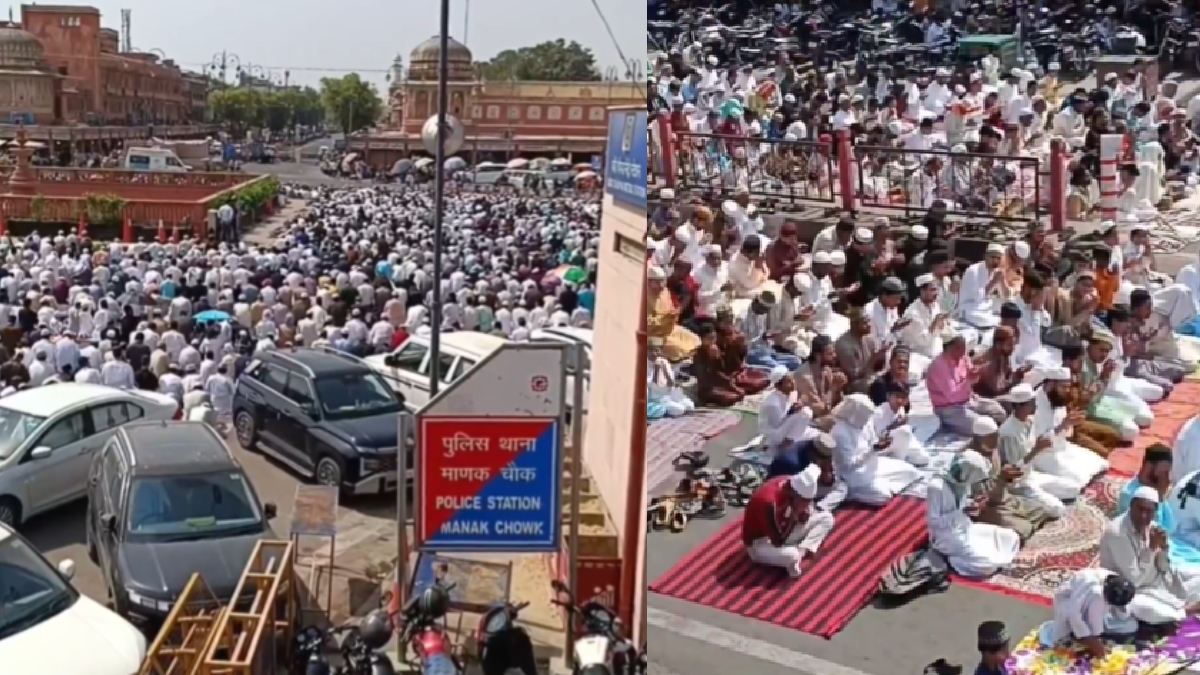
Alvida Jumma (the farewell Friday of Ramadan) is regarded as one of the holy days of the month. When Muslim followers congregate there to ask their Lord for peace, forgiveness, blessings, or simply praying. Jaipur’s Badi Chaupad, home to heritage mosques and open spaces, has long been an epicenter for such congregations.
This is a remarkable figure. This year the attendance was astronomical, tens of thousands of worshippers filled the area. It was testimony to both community faith and the difficulties of holding such a large gathering in a busy urban environment.
According to the reports, more than 80,000 people prayed in the Manak Chowk area. The Rajasthan government and local police had made arrangements to deal with the crowd. Security forces were called, and traffic diversions were also enacted to ease congestion around the walled city.
These moves did not prevent how large the gathering was. There were road snags, and people at the front lines were disrupted. Although prayers were peaceful, the gathering ignited debate about whether the government’s arrangements were good enough to accommodate such a large turnout.
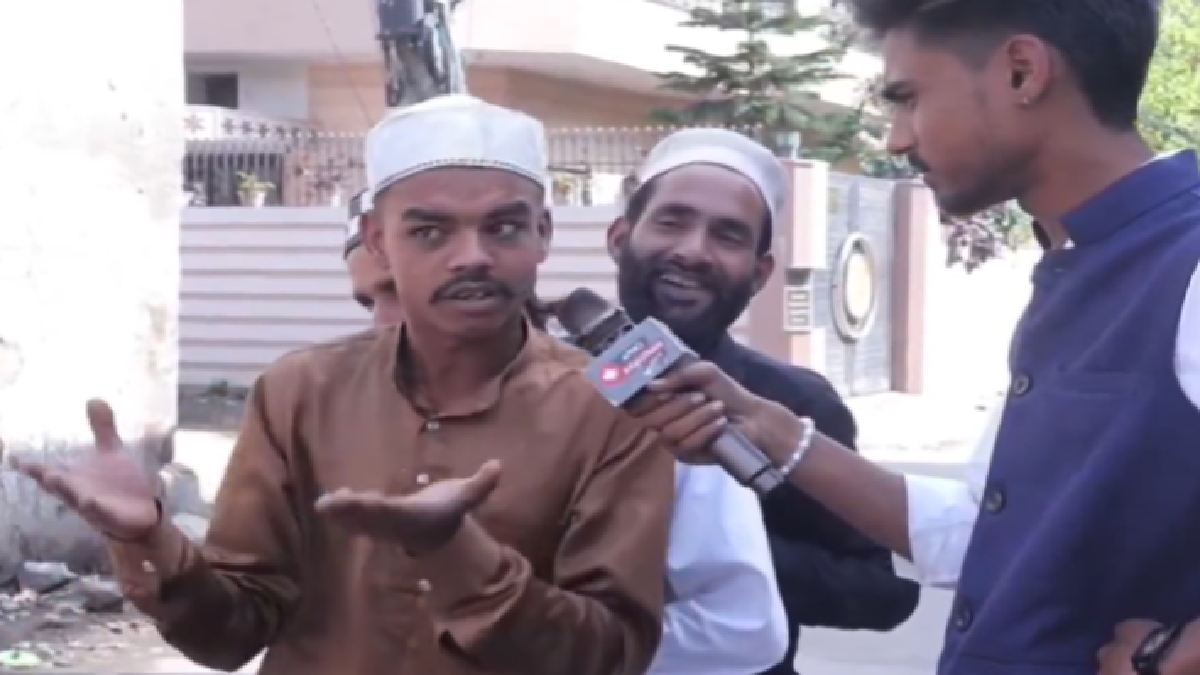
Such gatherings make for a good thing in terms of unity and respect. It celebrates festivals, religious occasions and festivals celebrating freedom and peace. Alvida Jumma unites the community around strong ties of faith and community. It’s also a moment of cultural importance, with Jaipur’s historic old city traditions on display.
The issue, though, is security and order. Managing 80,000 visitors in a very enclosed urban area takes careful planning. Officials must balance religious freedoms against public safety so that worshippers can pray in safety and peaceably at one place without bringing misery to others. Greater crowd control and additional infrastructure are needed to help manage such future events.
More than 80,000 people took part in Alvida Jumma prayers at Badi Chaupad in Jaipur, showcasing their faith together. There was peace at the event, but the need for the government to manage crowds better, and even hold them accountable, came into stark focus. For Rajasthan as an example of this, the incident is also a reminder of the city's rich cultural traditions and an argument in favor of safety on which public safety measures will need reinforcement whenever people gather for large religious gatherings.