India’s residential real estate industry was also healthy in the first half of 2026 showing strong growth in the first half of 2026, with housing sales across eight major cities increasing by 0.7% year-on-year to approximately 1.71 lakh units, according to a new industry report.
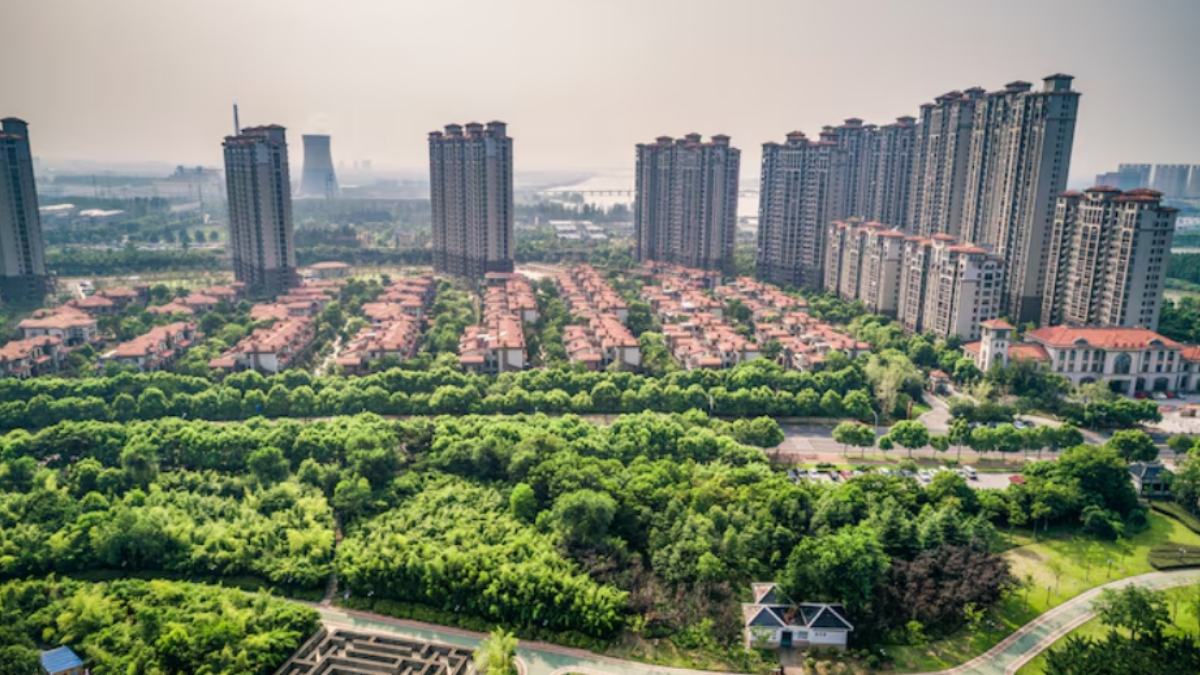
The modest growth reflects growth albeit at a time of higher property prices and higher borrowing costs which is a sign of sustained demand in the real estate market and is evidence of strong home buyer demand from the homebuyers in the country’s key urban centres.
The report states that the country's largest residential markets Delhi-NCR, Mumbai Metropolitan Region (MMR), Bengaluru, Pune, Hyderabad, Chennai, Kolkata and Ahmedabad continued to constitute a significant share of the overall demand for housing. End user purchases, strong job prospects, rising household incomes and strong confidence in the formal real estate sector have supported the market during January-June period.
Industry analysts believe that the residential sector has been in a more stable phase of growth after the strong post-pandemic growth in recent years. Although the expansion is slower than in the past couple of years, the demand for housing in the mid-income and premium housing segment is still high, especially in the mid-income and the upper income/premium housing that is still the primary target market for people who want to buy bigger homes and better lifestyle accessories.
Bengaluru, Pune and the Mumbai Metropolitan Region were among the strongest-performing markets during the first half of the year with strong growth in information technology, financial services, manufacturing and startup sectors. And those cities have experienced steady employment growth that has attracted professionals who are driving demand for residential properties.
Delhi-NCR experienced good buyer interest on the basis of better infrastructure, expressway connection, metro rail expansion, and growing buyer preference for organized residential development. Developers are also launching new projects across established as well as emerging micro-markets to cater to different buyer preferences.
The report shows that rising property prices have not significantly dampened demand although affordability is still a key factor for first-time homebuyers. Many developers have responded to the market, offering flexible payment plans that are linked to construction and attractive financing to maintain sales momentum.
Premium and luxury housing still outperformed other segments as well, and that’s because there’s more demand among high-net-worth individuals and affluent professionals for larger homes with modern features. Home offices, wellness facilities, green spaces and integrated townships have grown to be essential to purchase.
With higher land prices, construction costs and finance costs, affordable housing still faces some issues. For this segment, industry officials have recommended targeted policy assistance (tax incentives for housing finance access, easier access to housing finance) to help stimulate demand.
The continued rise in residential sales has also encouraged developers to launch more new projects. Real estate companies are also expanding their pipeline of projects as they expect to see sustained demand in the near future. Developers are more disciplined and launch more in the right places with demand and not expansion (industry observers say).
Infrastructure development is still key to the housing market in India. Connectivity between major cities has been enhanced by new expressways, metro corridors, airports, industrial parks and commercial hubs, making suburban and peripheral neighborhood development easier for homebuyers.
Improved transport infrastructure is good for long-term investment in housing development in emerging neighborhoods as well.
Financial institutions are still financing home loans; but interest rates are still higher than before the post-pandemic period. But on the plus side of this, steady employment levels and rising incomes have helped keep buyers’ confidence high, particularly among salaried professionals and dual-income families.
Real estate consultants believe that India's long-term housing demand remains fundamentally strong due to rapid urbanization, population growth, rising aspirations and increasing migration toward major employment centres. In the next few years, government measures to develop infrastructure and urban expansion will also help in satisfying residential demand.
Experts warn developers are going to have to keep track of construction costs, financing requirements, and regulatory requirements in mind when developing a project. Transparency, quality construction and more customer-specific products and services in an ever-competitive market will continue to be the key differentiators in an increasingly competitive environment with consumers and market competition.
Looking ahead, the residential sector is expected to keep pace with the growth in the second half of 2026 if economic conditions remain favourable for the housing sector. Construction-driven investment in infrastructure, rising employment and a good job market and stable consumer confidence will sustain housing demand in India’s top cities in the second half of 2026.
Even when there are economic uncertainties and rising input costs, India’s housing market continues to grow. The 0.7% increase in sales to 1.71 lakh units shows that homeownership is still at the heart of Indian families’ lives and is a vital growth driver in the country.