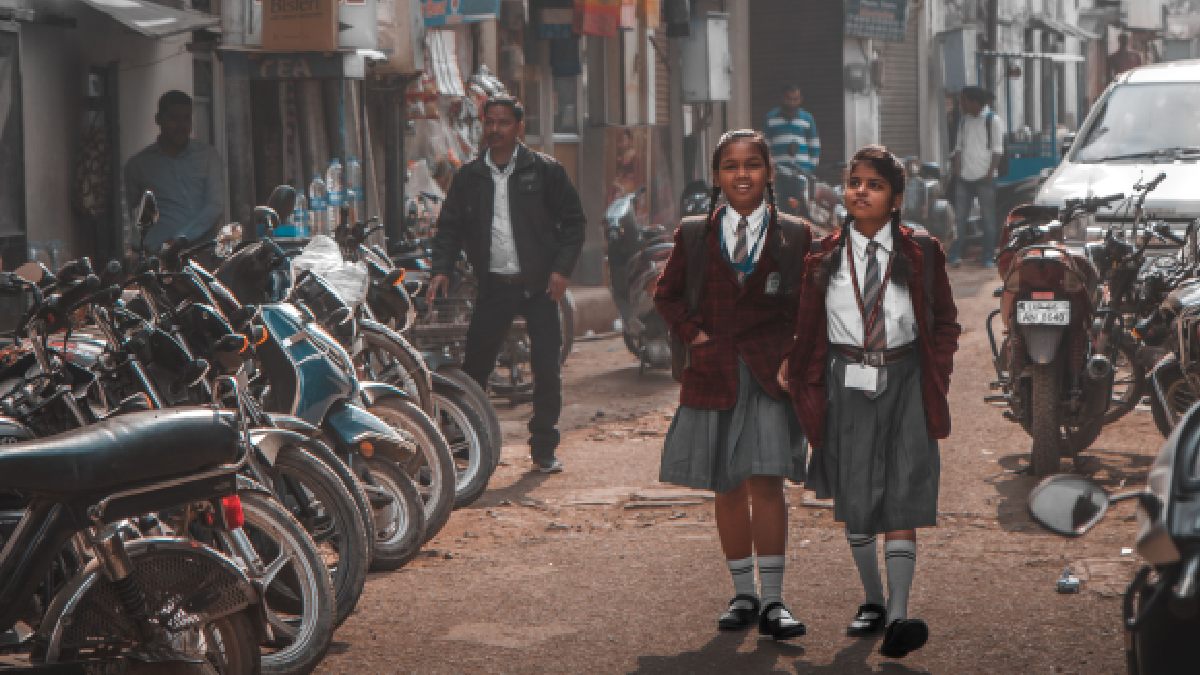
Over the past several decades education systems have changed drastically from strict punishment-based discipline to more student-centered and supportive learning environments. Stories recited among these older generations often emphasise how in our school, teachers were ruled by fear-based discipline, but mistakes were met with punishment and not guidance.

Throughout traditional schooling, teachers controlled the classroom, and punishment was imposed in a strict and sometimes overwhelming way. If the children were not to listen they could be punished in a way that the present-day wouldn't tolerate. Some people say that through such systems discipline was fostered, however, at the expense of open communication and making students’ learning a burden that they have to bear.
हमारे Time ऐसी मैडम होती तो हम भी पढ लिए होते!
— Dinesh Khandelwal (@DineshK03975523) April 15, 2026
हमारे माडसाब तो मुर्गा 🐓 बनाते थे और घर वाले कूटते थे!!
आखिर छोटू ने Madam को प्यार से मना ही लिया...😍❤️ pic.twitter.com/8lKX94fMRj
Education today is more about understanding, cheering, and caring for them emotionally. Today’s teachers are not only prepared with subject matter knowledge but also knowledge of child psychology and inclusive teaching methods.

The emphasis has turned to teaching students how to learn from a place of curiosity as opposed to fear. Reforms in education in many countries have included new laws of child protection and outlawed corporal punishment at schools, including India. Now colleges teach positive reinforcement instead of punishment: students are guided and supported. Research has demonstrated that this method enhances confidence, creativity, and long-run academic performance.
It was just as well that strict discipline has given way to empathy-based teaching, which has improved student-teacher relationships too. These days students feel increasingly at ease to ask questions, express their doubts and join in classroom discussion. Because this is an interactive mode, critical thinking skills are developed and critical thinkers are created in such an environment.
Nevertheless, teachers now have to maintain order but only maintain discipline through rules and conversation, counseling instead of physical discipline or humiliation. The aim is to establish a mixed environment where students feel that they are safe in the classroom and inspired to learn. Stories of the past often remind us what a challenge schooling can be when systems are rigid.
But they also spotlight the degree to which education has gotten better at seeing mental health and dignity as essential in learning environments. The final story of the evolution of classroom culture has clearly shifted: Control through fear, growth through understanding. This shift is still leading to a better and more inclusive tomorrow of education.