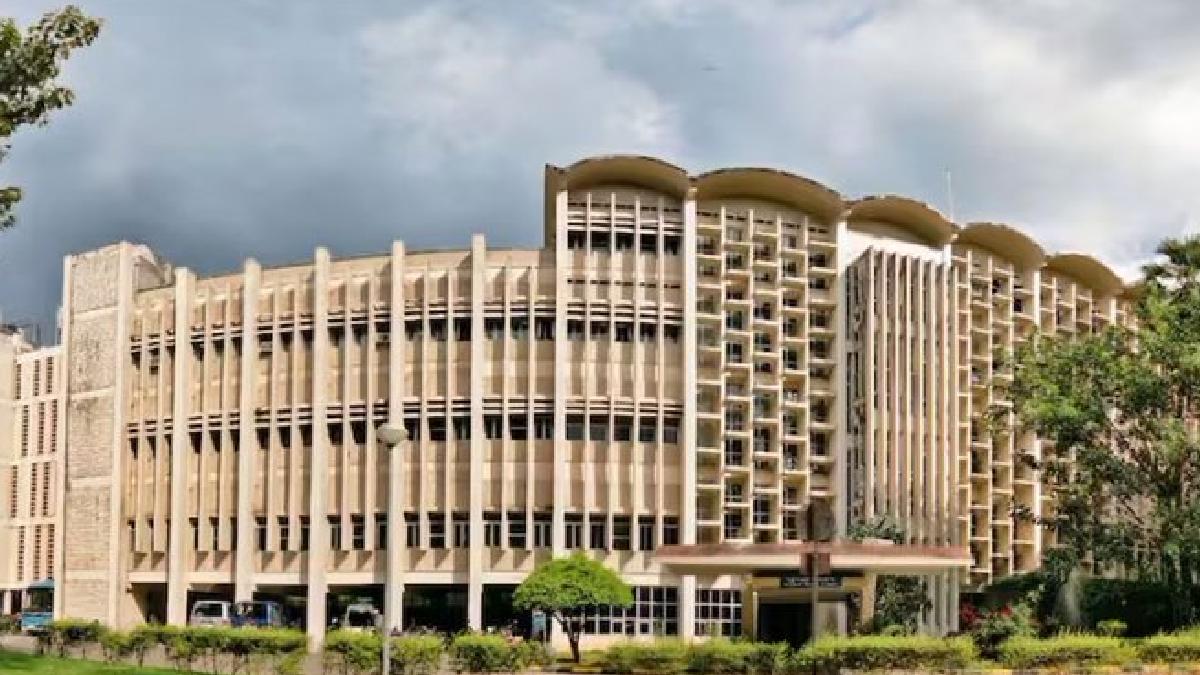
The Indian Institute of Technology Bombay administration has agreed to an 18-point charter of demands submitted by students after the death by suicide of second-year student Sahil Wakode. IIT Bombay Director Professor Shireesh Kedare signed the charter on Sunday after students protested on the Powai campus for three days. The details of the agreement will be discussed with students at an open house on Monday.
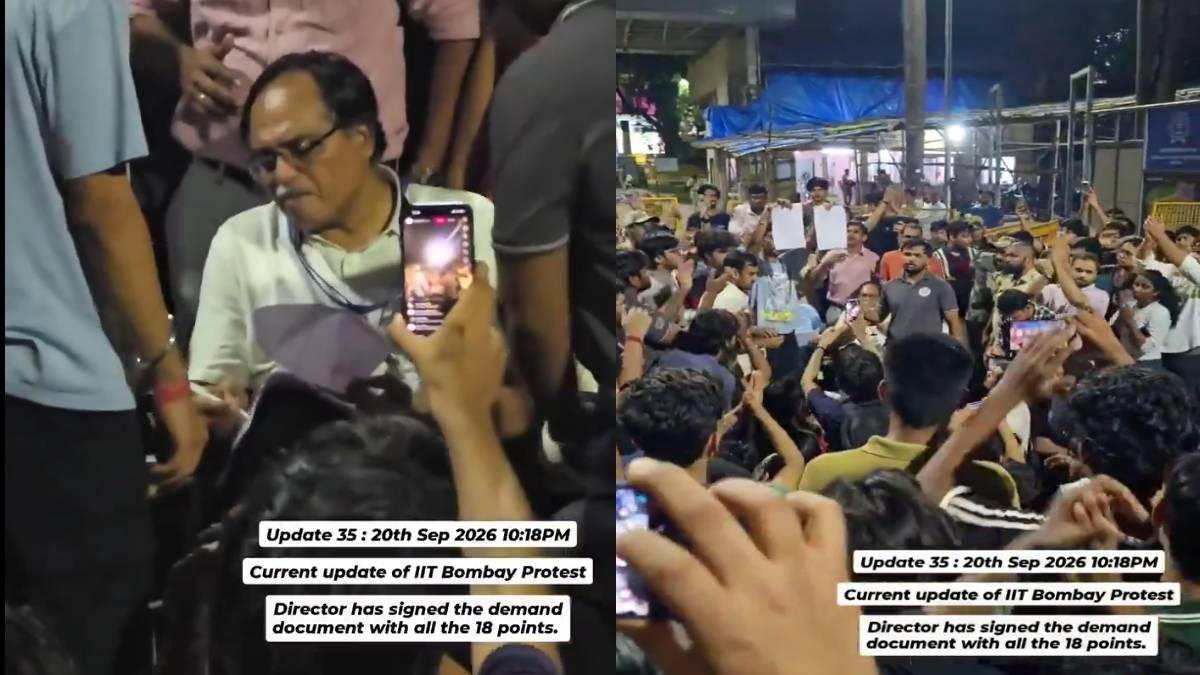
Some of the most urgent demands are from Professor Suryanarayana Doolla, who was there watching over the examination taken by Sahil the day he died. Students are demanding that he be suspended immediately. But the director said that due process would be taken into account in making the demand. Doolla has also been named in an FIR that has been filed by Sahil’s parents.
The student charter calls for an independent investigation into the circumstances of Sahil’s death. Students have demanded an interim report by September 30, and a final report by October 15. They have also demanded more transparency and accountability in the institute’s administrative and disciplinary processes.
The controversy started after Sahil, a second-year BTech student in the Energy Science and Engineering department, was found with a mobile phone during a mid-semester examination on September 18. According to IIT Bombay, he had allegedly uploaded the question paper to ChatGPT to get answers. No disciplinary actions had been initiated against him before his death, the institute said.
ChatGPT has been a focal point of heated discussion in the protests. Students have questioned the decision to publicise the report of AI platform use by Sahil, claiming Sahil did not respond to the accusation. Students also have broader questions about how disciplinary processes, confidentiality and academic misconduct cases are handled as well.
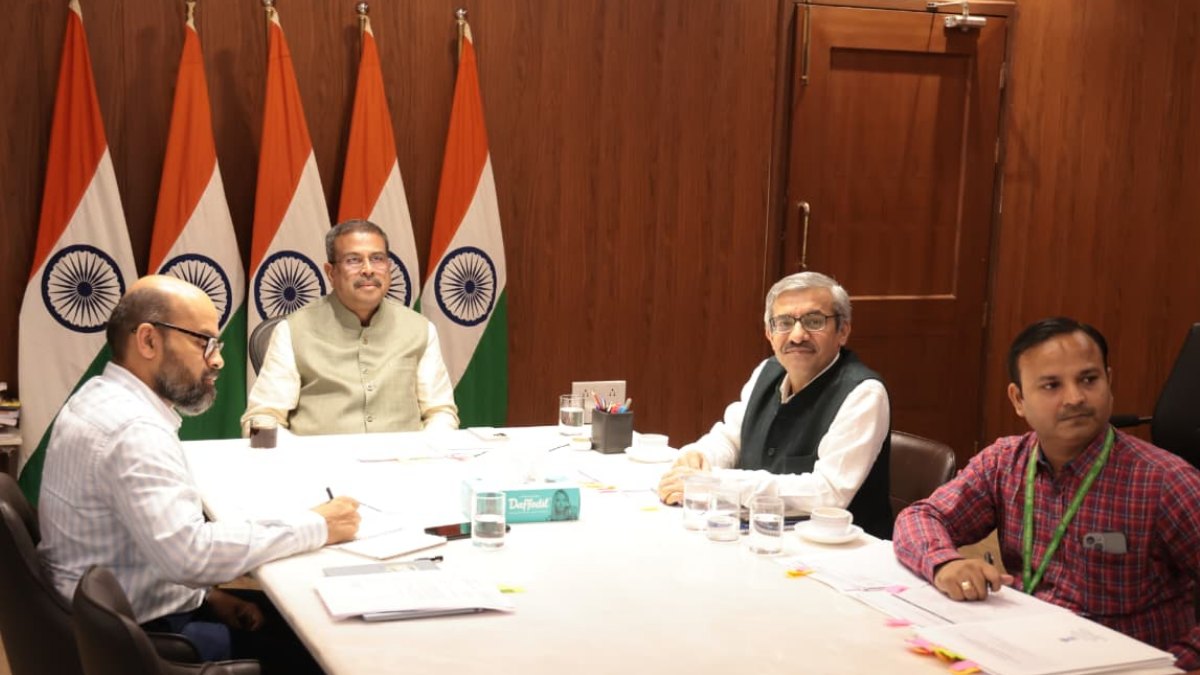
The IIT Bombay Faculty Forum has defended Professor Doolla. Doolla observed that a student had an unauthorised smartphone during the examination and reported the matter to institute authorities in accordance with the approved procedure.
Outside of just the current controversy, the 18-point charter for student welfare at IIT Bombay seeks to make significant changes in its systems. Students have pushed for a written code of conduct from professors, mental health sensitisation for faculty and staff, counselling services, and changes to the Disciplinary Action Committee process.
Following student outrage over Sahil Wakode’s tragic death, the IIT Bombay Director has signed an 18-point charter:
— Megh Updates 🚨™ (@MeghUpdates) September 21, 2026
– Immediate suspension of Prof. Suryanarayana Doolla
– Independent inquiry into Sahil’s death
– Interim report by Sept 30; final report by Oct 15
– Binding Code of… pic.twitter.com/JLtj6lsKm7
A big demand is for mental-health support on campus to be strengthened. There has been an increase in in-person counselling services, better medical care services, and a 24/7 psychiatrist-on-call at the IIT Bombay hospital, which students have asked for. They have also proposed a task force of students, faculty, mental health professionals, and external professionals to examine the causes of student distress and provide recommendations for prevention.
The charter also requires more student representation and administrative accountability. Students have been looking for semester-wise reports from the proposed task force and a system to respond to complaints and disciplinary issues in a more transparent way.
Sahil's parents have also claimed that their son was harassed and discriminated against based on caste. The police are investigating the allegations while IIT Bombay has said that no complaint about caste discrimination had been submitted by Sahil to its SC/ST cell or administration. The Mumbai Crime Branch is investigating the case after the FIR was registered.
The IIT Bombay administration's acceptance of the charter represents a major response to the student agitation, but the details of implementation are still to be worked out. Students will meet the agreement at an open house and make decisions about what to do after that.
The independent inquiry and its September 30 interim deadline and October 15 final deadline are going to be closely watched as the institute faces demands for accountability, institutional reform and stronger student-support mechanisms.