India has also started to explore participation in the France-led sixth-generation Future Combat Air System (FCAS) fighter programme, an indication of a new phase of cooperation between India and France in defence and aerospace.
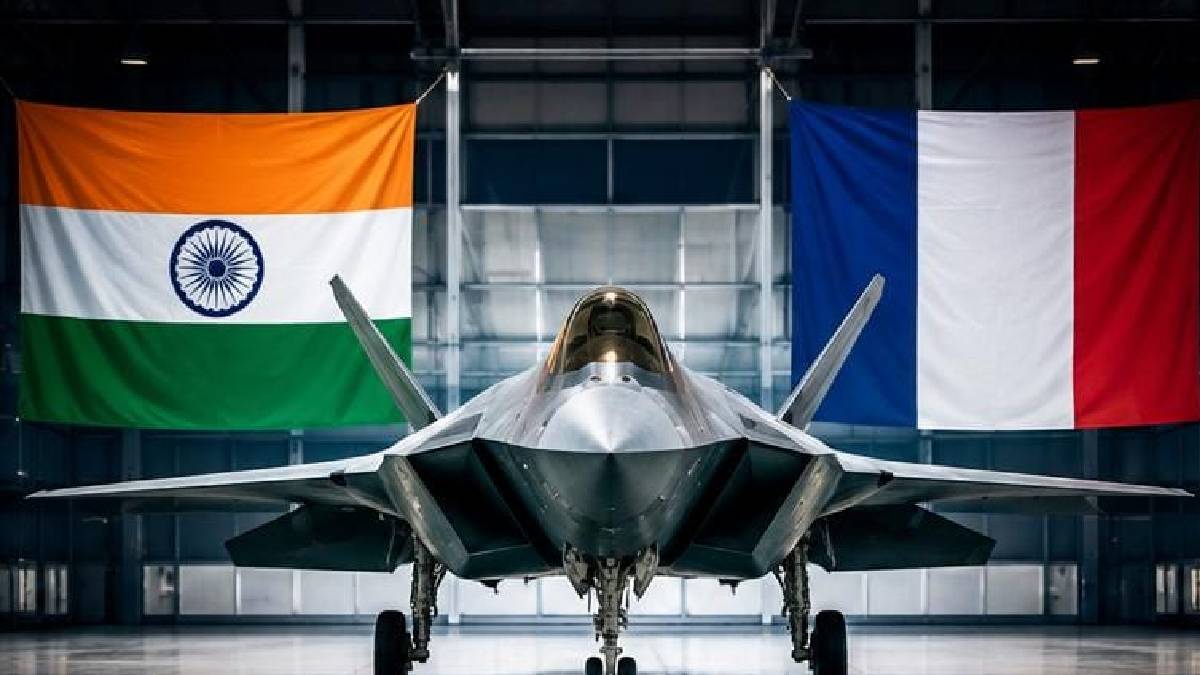
The development comes as India explores next-generation fighter development to develop advanced combat aircraft and strengthen its domestic defence technology ecosystem. Participation in a next-generation fighter programme could provide India with cutting-edge aerospace technology to develop and lead to opportunities for Indian companies and research institutions to participate in advanced aircraft development.
The FCAS concept is focused on building a future combat-air system rather than a standalone fighter aircraft. These systems will integrate crewed fighter platforms with unmanned aircraft, advanced sensors, secure communications and networked command-and-control capabilities.
Sixth-generation combat aircraft are expected to offer more capabilities than current fourth- and fifth-generation fighters. Such capabilities could be sensor fusion, increased connectivity, low-observable characteristics, artificial intelligence-driven decision-making and the ability to work alongside autonomous or remotely controlled platforms.
For India, the French-led programme will be strategically important. The Indian Air Force is looking to modernise its combat fleet as well as increase domestic manufacturing and technology capability, as part of the wider push for self-reliance in defence.
India and France have already developed substantial defence cooperation, including the acquisition and operation of Rafale fighter aircraft by the Indian Air Force. These two countries have also collaborated in naval aviation, engines, space and defence technology.
Participating in FCAS could also help to extend that partnership to next-generation combat-aircraft development.
The move would also be relevant to India’s long-term aerospace ambitions. India has been trying to develop indigenous fighter-aircraft capabilities through the Light Combat Aircraft and other advanced combat aircraft projects. Involvement in an international next-generation programme will also enrich the domestic effort by exposing Indian industry to advanced technologies, engineering methods and complex systems integration.
A sixth-generation fighter programme would involve propulsion, stealth, electronic warfare, sensors, communications, artificial intelligence, autonomous systems and advanced materials. Developing such capabilities requires extensive research and sustained industrial investment.
For Indian defence companies and research institutes, involvement in an international programme could potentially create opportunities for technology and industrial collaboration. It would also help to develop a more integrated aerospace supply chain within the country in general.
As such, the strategic environment is also a factor affecting the appetite for next-generation combat-air systems. Major military powers are investing heavily in advanced aircraft, unmanned combat systems and network-based warfare capabilities. Future air forces are expected to rely on combinations of crewed and uncrewed platforms as opposed to fighter aircraft being operated independently.
The FCAS approach is based on this larger concept of connected warfare. A future fighter could be the core of a network of drones and other systems that would communicate in real time and coordinate operations between them.
But India's participation in such a project could also allow for continued engagement in the latest military aviation trends and capabilities that are relevant to future operational requirements.
Joining such a complex programme would involve a lot of financial, technological and industrial considerations. Any future participation would involve detailed negotiations on technology sharing, workshare, intellectual property, manufacturing responsibilities and the role of Indian industry.
However, the initiative underlines the growing importance of India-France strategic cooperation. Both countries have been on the hunt for defence cooperation, and for advanced technology and industrial cooperation.
India’s interest in the sixth-generation FCAS programme also signals the country’s overall ambition to become a major player in global aerospace manufacturing and defence technology. In addition to simply assembling platforms in full completion, India is also looking at the technology development and production process.
With the development of such an initiative, it could become part of India’s long-term combat-aircraft modernisation strategy and national aerospace capabilities in the future.
The cooperation would show the increasing technology-driven nature of India-France defence relations. As military aviation moves towards integrated networks of crewed aircraft, autonomous systems and advanced sensors, partnerships in next-generation technologies will be even more vital.
The possibility of India entering into the French-led FCAS programme is a very beneficial development for India’s future air-power ambitions, but the details and possible scope of India’s participation will also be subject to discussions between the two governments and industry.