India is currently assessing the effects of the new defence pact between Pakistan and Saudi Arabia and Türkiye, the Ministry of External Affairs (MEA) said.
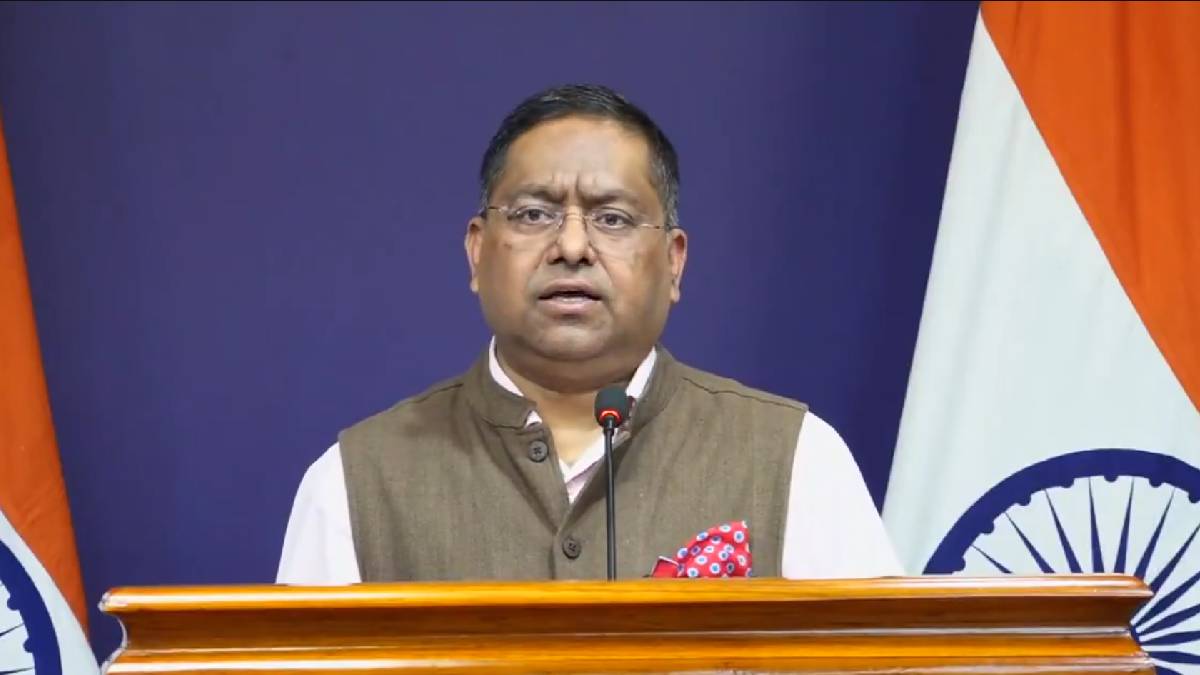
Following up on questions on the agreement, the MEA said, “We are examining this agreement's implications for national security and regional peace and stability.” India is taking a very cautious approach to a significant new development in the security architecture of West Asia and its implications for South Asia because of the security architecture of West Asia, and it is a significant new development of security architecture which can be adverse to South Asia,” the statement says.
“We are examining this agreement's implication from national security and regional peace and stability.”
— News Arena India (@NewsArenaIndia) August 11, 2026
- MEA on Pakistan, Saudi Arabia and Turkiye defence pact pic.twitter.com/sNySZ4zgCa
Saudi Arabia, Pakistan and Türkiye signed the Mecca Joint Defence Agreement on August 7 that sets up the prospect of closer defence cooperation and collective deterrence. An attack on one of the three parties is considered a joint defence agreement, and a group effort to invade one member will be treated as an attack on all three, the agreement says.
The agreement comes at a time of heightened geopolitical tensions in the Middle East. Regional conflicts, security concerns, and changing relations between major powers have prompted countries in the region to look for new defence cooperation.
More importantly for India, the involvement of Pakistan is crucial for India. New Delhi closely monitors Pakistan's military and diplomatic ties because of the long-standing differences between the two countries, especially on terrorism and Jammu and Kashmir.
The fact that Türkiye is also involved is also significant. Ankara has a good relationship with Islamabad in terms of strategic and defence relations, but has previously taken sides on some issues in Kashmir that India has very much opposed.
Saudi Arabia, on the other hand, has long had a close relationship with Pakistan but is in a strategic and economic relationship with India through expansion. The presence of a trilateral defence agreement between Riyadh, Islamabad and Ankara adds to India’s perspective on regional security.
The MEA statement does not indicate that India has taken a final stand on the pact. It is investigating if the development has the potential to affect India's strategic interests, as the Indian government does not want it to happen before they see that the country will be able to make a decision, for instance.
The agreement has even been described by some commentators as a collective-security arrangement, but analysts have warned not to lump it with NATO. The Atlantic Council, for example, called the agreement significant but said it wasn't simply a NATO-like alliance or separate new regional bloc.
The practical meaning of the pact will depend on how the provisions are implemented. Questions remain about military interoperability, intelligence sharing, joint exercises, defence-industrial cooperation and when the collective-defence commitment would be activated.
India also needs to consider the larger balance of power, from South Asia to the Gulf and Mediterranean. Pakistan's military relationship with Türkiye and its strategic relationship with Saudi Arabia might also have a bearing on regional diplomacy.
At the same time, Saudi Arabia has significant economic and energy links with India. The Kingdom is an important partner for India in energy, trade and investment. New Delhi will therefore approach the development in a way that is consistent with the larger bilateral relationship with Riyadh.
And the pact has also attracted attention in the Middle East. Iran has no reason to be afraid of this agreement, with its foreign ministry saying regional security cooperation could be a positive component if it is inclusive and real sources of instability are addressed.
Türkiye has also maintained that the agreement is defensive in nature and not aimed specifically at Iran, according to reports on the pact.
The development is also coming at a time of a rapidly changing regional security landscape in which alliances and partnerships are being reassessed.
India is still to be told whether the agreement would affect its national security interests, given that Pakistan plays a role.
The MEA responds that New Delhi is not dismissing the pact nor announcing any immediate countermeasure. And the government is doing a strategic assessment of the possibility of the agreement’s implications for India’s security, regional peace and stability.
The next months are likely to reveal a lot more about how the pact works in practice and if the three countries will extend their defence cooperation beyond the commitments already announced.
For now, India's position remains one of close observation and assessment.
The MEA’s comments show that New Delhi is watching the Pakistan-Saudi-Türkiye defence partnership closely, with the security and stability of the region at the center of India’s assessment.