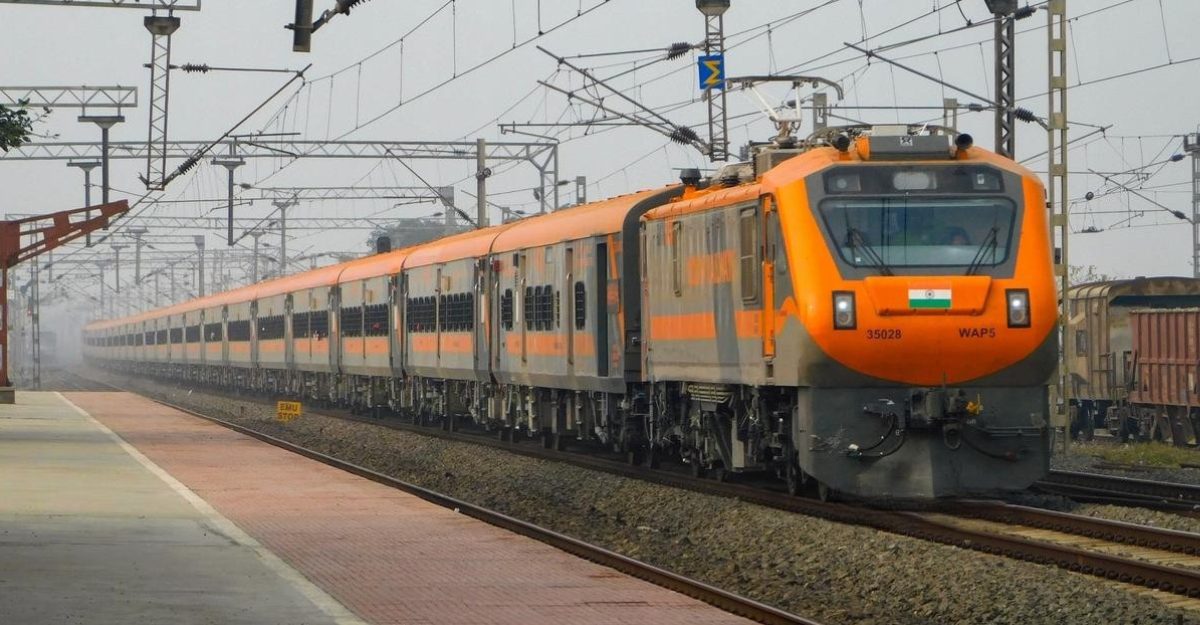
India’s agricultural industry got a big relief today when the government said 15 India-bound vessels carrying fertilisers and raw materials have crossed the strategically important Strait of Hormuz safely.
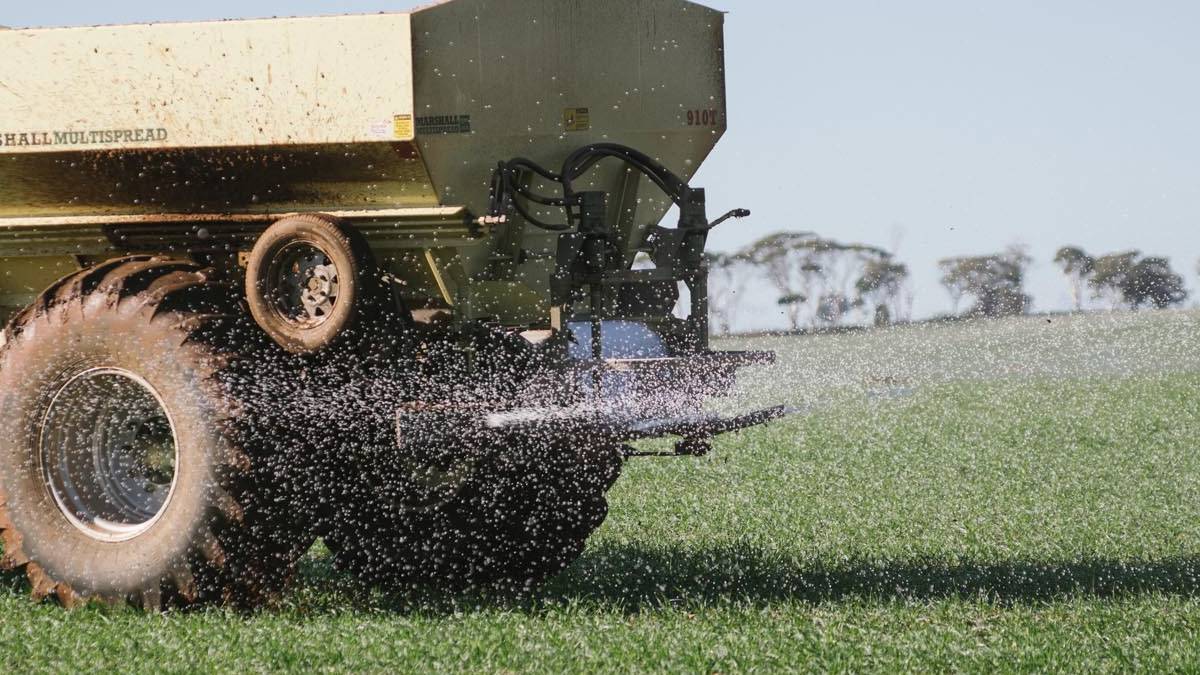
The development comes at a crucial time as the country prepares for the kharif sowing season, which is dependent on timely availability of fertilisers.
The official reports indicate that about 20 ships were initially affected when tensions in West Asia disrupted maritime traffic through the region. But now that we’ve got stability and diplomatic coordination going better, 15 of the ships have travelled through the strait and are going to Indian ports now.
The rest of the ships will also be moving soon, so there won’t be much impact on supply chains.
These shipments carry essential agricultural supplies such as urea, diammonium phosphate (DAP) and sulphur for fertiliser that are the key ingredients for soil fertility and crop yield. The cargo is expected to boost India’s fertiliser reserves at a time when demand typically peaks due to monsoon-based farming activities.
The Strait of Hormuz is one of the world's most important maritime chokepoints through which most fertiliser-related raw materials and energy are traded across the globe.
Any disruption in this region will immediately ripple through global commodity markets and affect prices and availability. India is particularly exposed as it is a major user of fertilisers and imports are its main source of inputs.
The movement of these vessels is not only a logistical victory but also a result of coordination between government agencies, shipping companies and international suppliers, and has been done in coordination. The officials say domestic fertiliser production has been strong and that has helped to cushion any impact from external events.
Data from India has shown India has exceeded domestic urea production targets in the last two months. Higher domestic output and stable imports will ensure we have enough supplies for all parts of the country.
Farmers’ most immediate impact is stability. Fertiliser shortages can cause delays in crop production, leading to high input costs and low crop productivity.
Now that supply lines are improving, the chances of fertiliser shortages during the crucial planting period are decreasing, particularly for states that depend on timely monsoon cycles, where even a short delay in fertiliser will have a big impact on yield.
The government has also said fertiliser stocks are now above half of the expected seasonal requirement, which they feel is a reasonable buffer for this stage of the agricultural calendar.
To put it simply, the crossing of these 15 ships means that panic around fertiliser scarcity is easing, supply chains are stabilising and farmers are likely to have better access to essential inputs during the upcoming sowing season. Global geopolitical risks are still present but India’s present position suggests better resilience in managing agricultural supply security.