India is on the verge of the nation's first offshore wind farm prototype on the coast of Thoothukudi in Tamil Nadu. With a 6.25 megawatt wind turbine it is a major step towards harnessing wind resources in India's coastal waters.
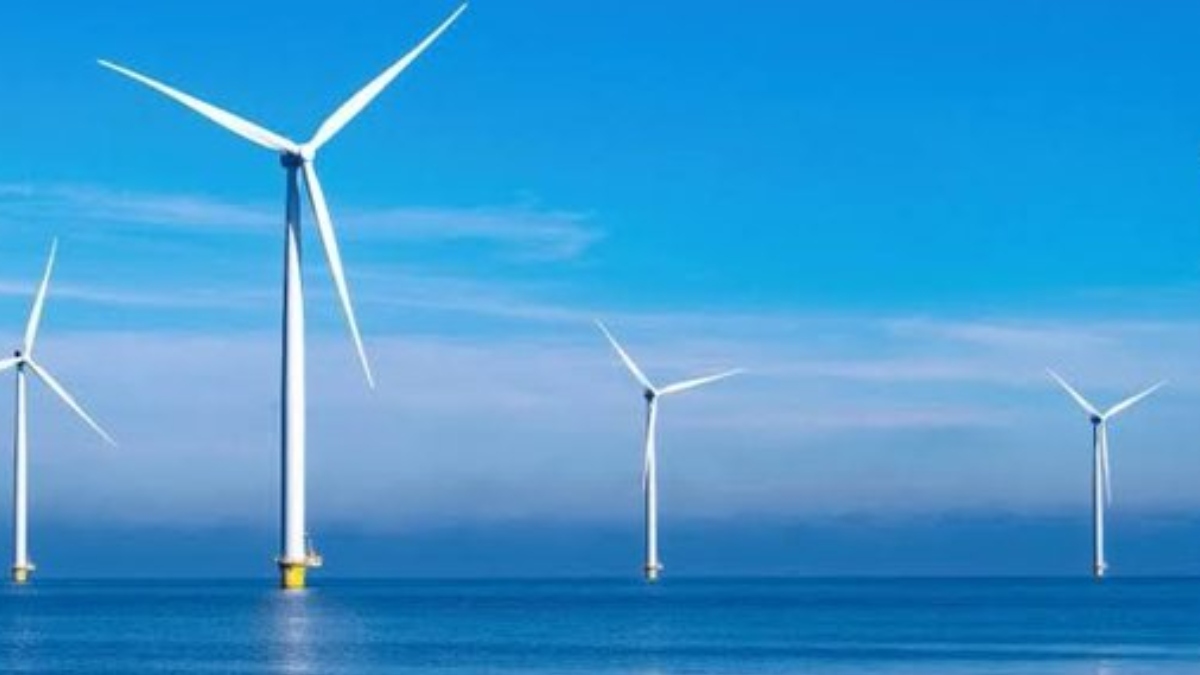
Offshore wind energy is gaining more attention around the world as a natural means of using strong and relatively constant wind resources in the ocean. Offshore wind projects are located away from densely populated land, unlike onshore wind farms. For India, offshore wind development could be another source of clean electricity and complement solar and onshore wind generation.
The Thoothukudi project is particularly significant since it would be a prototype for larger offshore wind developments in the country. The demonstration-scale project can give both developers and policymakers experience in turbine installation, marine construction, underwater cabling, operations and maintenance.
The 6.25-MW turbine would be a significant individual generation unit. Modern offshore turbines are designed to produce large quantities of energy because offshore wind conditions can support higher-capacity machines. The experience gained from deploying such a turbine in Indian waters would help in developing technical and operational knowledge for future projects.
Tamil Nadu is already one of India’s most advanced states for renewable energy, especially in wind power. The coastline is long and the wind energy ecosystem is established, so it makes sense for them to research offshore wind. Thoothukudi is located in south Tamil Nadu, which will be key to the development of renewable generation from land based installations.
But offshore wind projects are much more complex than onshore wind farms. Developers must account for marine conditions, seabed characteristics, wave activity, weather patterns and the logistics of transporting and installing large turbine components. It is necessary to install underwater transmission infrastructure to connect offshore turbines to the power grid on land.
The prototype project could be useful for understanding these challenges in Indian conditions. Building and operating lessons could help to identify the most suitable technologies, installation methods and maintenance practices for offshore wind farms going forward.
Cost is another crucial consideration. Offshore wind projects usually require a significant investment in equipment, marine construction and subsea infrastructure. With the development of offshore installations, with indigenous expertise in India, the cost of taking such projects to the market may be more competitive as India develops domestic capacity and experience with offshore installations.
The development of offshore wind is an extension of India’s overall aim to bring more renewable energy into the mix of electricity generation and not only from offshore. Solar power is the most rapidly growing source in India, while onshore wind is still the clean electricity source. Offshore wind would complement this and create a new source of renewable generation in coastal areas.
For Tamil Nadu, offshore wind will also lead to opportunities in manufacturing, port infrastructure, marine engineering and technical services. Ports and coastal industrial centres could help move, assemble and maintain large turbine components to create an ecosystem around the emerging sector.
Thoothukudi’s existing port infrastructure might be especially appropriate as offshore wind development involves transportation of heavy equipment and specialised machinery. The specific infrastructure requirements and development plans are still to be determined with the final design and execution of the project.
The proposed 6.25-MW turbine is thus not just a renewable energy installation but a test case for India’s larger offshore wind ambitions. A successful execution could give policymakers, developers and investors greater confidence about the commercial-scale offshore wind projects along India’s long coastline.
The project also comes at a time when countries around the world are growing their focus on low-carbon electricity generation. Offshore wind has become a key component of renewable-energy projects in many major markets, particularly in Europe and parts of Asia.
In the case of India, developing domestic expertise in offshore wind could reduce India’s dependency on imported technology and specialised services in the future. It could also drive the investment in manufacturing and engineering capabilities linked to offshore renewable-energy industry.
🚨 India is planning its first offshore wind farm prototype off the Thoothukudi coast, Tamil Nadu, featuring a 6.25-MW turbine. https://t.co/JSSGlxlJW1
— Indian Tech & Infra (@IndianTechGuide) October 5, 2026
While the Thoothukudi prototype is a critical step, its implementation and its impact will be dependent on successful execution and the lessons learned from the project. Technical performance, cost efficiency, grid connectivity and maintenance will be closely monitored.
If this project is successful the 6.25-MW turbine on the coast of Tamil Nadu is likely to be the start of a new chapter in India’s wind-energy industry. As a model of offshore technology to develop a more sustainable renewable-energy ecosystem, Thoothukudi can be a foundation for India’s future offshore wind development.