With a new platform for digital marketing, India’s Ministry of External Affairs (MEA) has officially launched its presence on Snapchat, aiming to reach out to Generation Z through one of the world’s most popular social media sites. The ministry’s official X (formerly Twitter) and Instagram accounts have been launched and it’s getting users to scan a QR code and follow a promotional video on its Snapchat account.
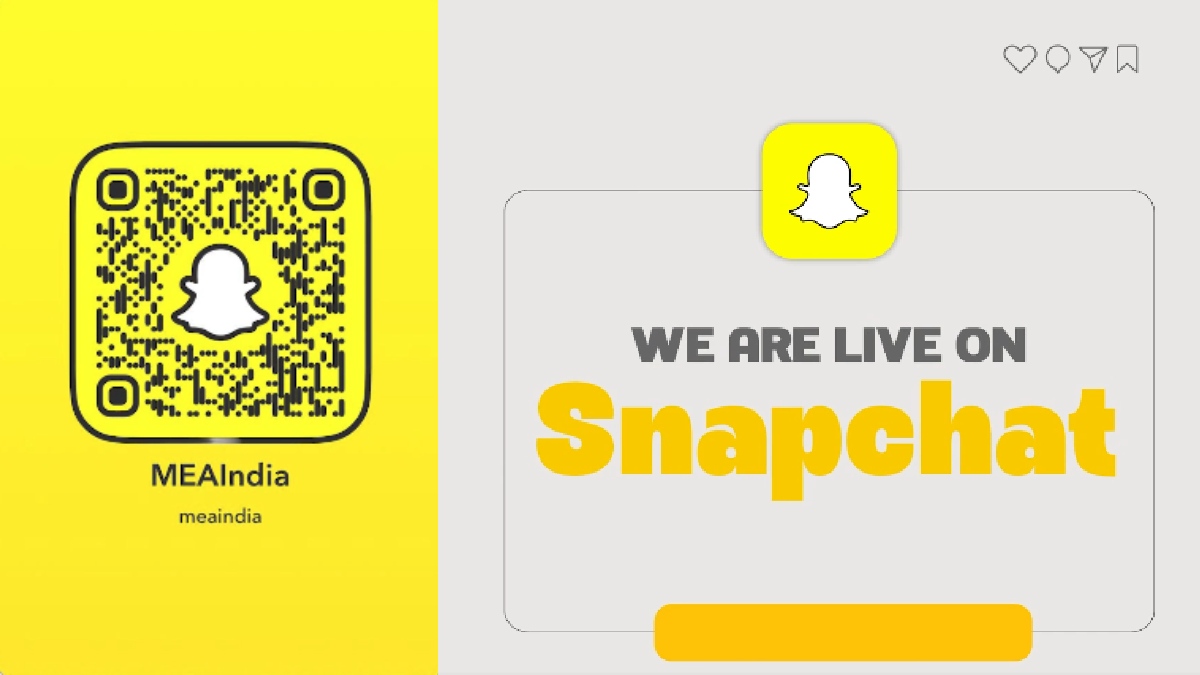
As such, it’s a sign of the government’s increasing focus on younger audiences in which people spend the vast majority of their time online. Snapchat, best known for its disappearing stories, augmented reality filters and short-form visual content, has grown fast among younger users and is the perfect platform for the ministry’s next phase of digital diplomacy.
The news comes after the MEA has gained a huge following on Instagram, where it shares updates on India’s diplomatic activities, foreign policy strategies, international visits and behind-the-scenes glimpses of diplomatic events. With Snapchat now one of the ministry’s official social media networks, the ministry will aim to make foreign affairs accessible, relatable and visually engaging.
The ministry also said that the Snapchat account will provide brief explanations of foreign policy activities, including international meetings, cultural diplomacy and key policy updates related to India’s global engagement. The strategy is an evolving communications method based on the changing media consumption habits of younger citizens.
The Ministry’s digital communications are led by the official spokesperson Randhir Jaiswal, who has been instrumental in the MEA’s online presence. In the last few years, the ministry has increasingly relied on social media to communicate directly with citizens and issue timely travel advisories, address misinformation, and display India's diplomatic activities around the world.
The decision to join Snapchat also illustrates the way government institutions are adapting to current communication trends. No longer is relying solely on traditional press briefings and official statements enough; ministries are turning to interactive and visual storytelling. This approach improves access and makes complex international problems easier to understand for younger audiences.
Public response to the announcement has been mixed but largely positive. Many social media users were impressed that the ministry was willing to try new things out to keep up with the times in order to stay relevant to younger audiences. They also joked that soon there would be a Reddit account for the ministry or daily Snapchat streaks with followers. Those lighter reactions were quickly popular online, showing that the internet is very much about mixing serious announcements with light-hearted commentary.
Even if the jokes are funny, communication experts say, expanding onto Snapchat is also part of a bigger global trend. Governments around the world are increasingly using social media to disseminate policy decisions, raise public awareness and engage with younger generations. By adopting platforms that are popular with Gen Z, public institutions can foster greater interest in governance, international relations and civic engagement.
India's Ministry of External Affairs already has millions of followers on X, Instagram, Facebook and YouTube. Each platform serves a different audience and communication style, enabling the ministry to broaden its scope while keeping the messaging consistent.
We're now on Snapchat!
— Randhir Jaiswal (@MEAIndia) August 6, 2026
Add us and stay connected for exclusive stories, updates, engaging content and more.
Let's Snap! pic.twitter.com/LyzjeuYG1I
Snapchat’s interactive features might also allow the ministry to experiment with creative formats such as short explainers, behind-the-scenes diplomatic moments, event highlights, quizzes and visual storytelling around India’s role in international affairs. The content can make diplomacy seem more accessible and relevant to younger audience members who often look up information in quick, visual formats.
The MEA’s expansion to Snapchat is evidence of the growing interest in digital communication and the importance of the MEA’s policy discussions on foreign policy for the next generation of citizens. While the quality of the content will be key to the success of the initiative, the launch marks one more step in the government’s digital transformation and its efforts to make diplomacy more accessible and inclusive.