The conversation about mental health in India has become more prevalent in recent years, but one stark statistic indicates a serious gap in the country’s awareness, support and intervention. In 2023, 72.8 per cent of all suicide deaths in India were men, showing that mental health professionals think there is a silent public health crisis.
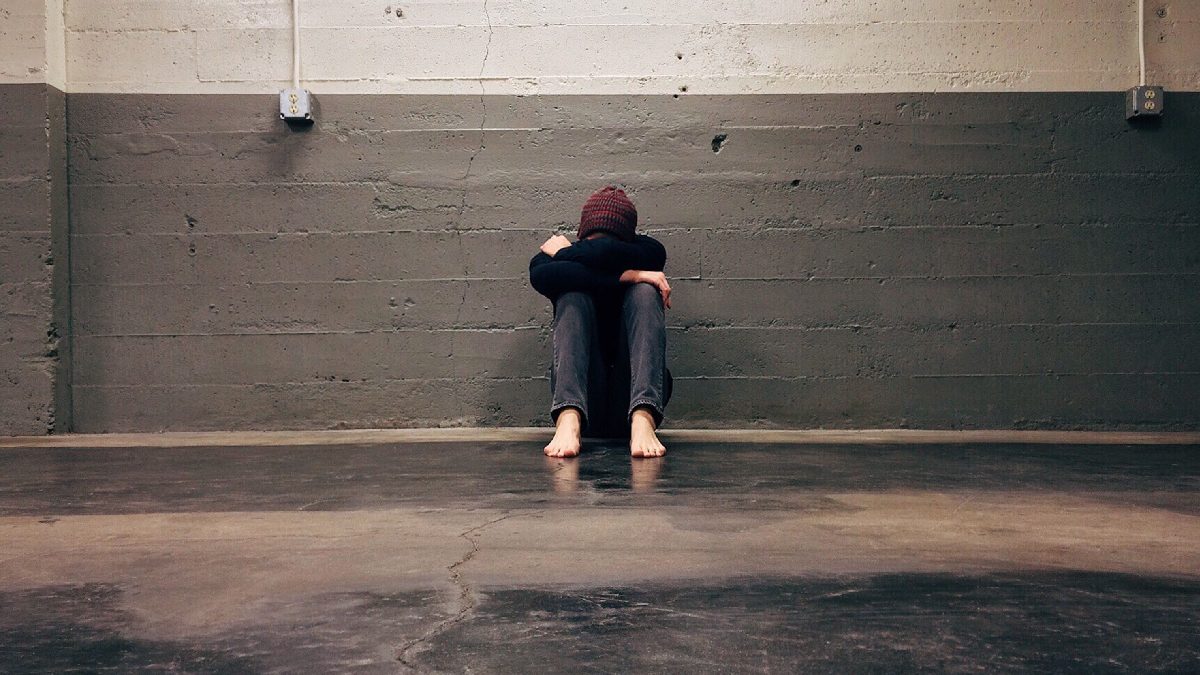
Suicide is a complex problem of psychological, social, financial and personal ones with many factors at play, but experts say the disproportionate number of male suicide deaths is in line with traditional societal norms which discourage men from expressing emotional vulnerability or seeking help.
Many boys are taught to be strong, self-reliant and emotionally resilient from a young age and are conditioned to think of themselves as being independent and self-sufficient, and these expectations are reinforced from very early on in life. This pressure to be providing in a way that’s self-reliant or self-assured is so hard to accept when it comes to men in the first place, and if they can’t do it for themselves, this can take longer.
Prakriti Saxena Poddar, Global Head at Roundglass, says many men do talk about their struggles but often in indirect ways.
Instead of announcing extreme distress, men will describe their problems as work stress, financial pressure or physical exhaustion. It’s for this reason that the mental health issues are often left under wraps and not treated.

She says the problem is not simply that men don’t talk about their emotions.
Men are taught that their value is in being dependable. They have to earn, give, solve problems and go on. And when it gets hard, we don’t have time to step back if we want to. Even acknowledging emotional distress can make some feel uncomfortable. For some, it’s irresponsible.
But psychiatric health experts say that emotional distress isn’t always sadness or crying. In men, it may be persistent stress or anxiety; irritability, anger, difficulty sleeping, perpetual fatigue; loss of interest in hobbies; social withdrawal; alcohol or substance use; difficulties with concentration; feelings of hopelessness or being trapped or being a burden. These warning signs should never be ignored, especially if they persist for a few weeks.
Dr. Umang Kochhar, Consultant Psychiatrist at SCI Hospital, believes that redefining strength is necessary in response to the crisis.
"Strong means being able to say that I am in pain, and at times I don’t know what to do about it. We need to rise up together as one society, as one nation, to prevent this quiet national emergency. One life gone will impact several more lives forever."
Researchers also point to emotional loneliness as one of the most underappreciated factors affecting men’s mental health. Even if they have colleagues, friends and family members around them, they are not always able to talk about fear, grief or emotional pain openly or anonymously, or even without fear of being judged.
So traditional notions of masculinity continue to shape this reality, Prakriti Saxena Poddar writes.
"Strength is often associated with endurance. Vulnerability is perceived as weakness. Emotional expression is perceived as something to suppress rather than share."
Mental health professionals stress that seeking support should be seen no differently than seeking treatment for physical illnesses such as diabetes or high blood pressure. Early counselling, therapy and, where appropriate, medical treatment can greatly improve outcomes and relationships; better work performance; and a better quality of life.
Experts suggest that some habits can protect mental health, including talking openly with trusted family members or friends, exercising regularly, getting seven to nine hours of quality sleep, practising mindfulness or meditation, limiting excessive alcohol consumption, taking regular breaks from work-related stress, staying socially connected and seeking professional help if emotional symptoms persist.
Families, schools and workplaces also have a big role to play. Boys can be encouraged to express emotions without feeling ashamed, and employers can establish psychologically safe work environments that promote mental health and reduce stigma around seeking help.
The NCRB data serve as a reminder that behind each statistic is a person, a grieving family and a community that is affected. Suicide prevention starts long before a crisis develops, experts say: Early recognition of emotional distress, open communication and timely access to mental health care are crucial steps to saving lives. Support for men’s mental health is not just an individual issue, they say, it’s a national public health concern and needs to be addressed with awareness, compassion and collective action.
If you or someone you know is feeling emotionally distressed or having thoughts of suicide, seek help as soon as possible from a trusted family member, a qualified mental health professional, or your local emergency or crisis support services. Early support can make a life-saving difference.