The Indian government is working on an ambitious plan to replace imports of the order of $189 billion with domestic manufacturing in a bid to grow the country’s industrial base and avoid reliance on foreign goods. It is in line with the Atmanirbhar Bharat (Self-Reliant India) strategy to make India a manufacturing superpower in the world.
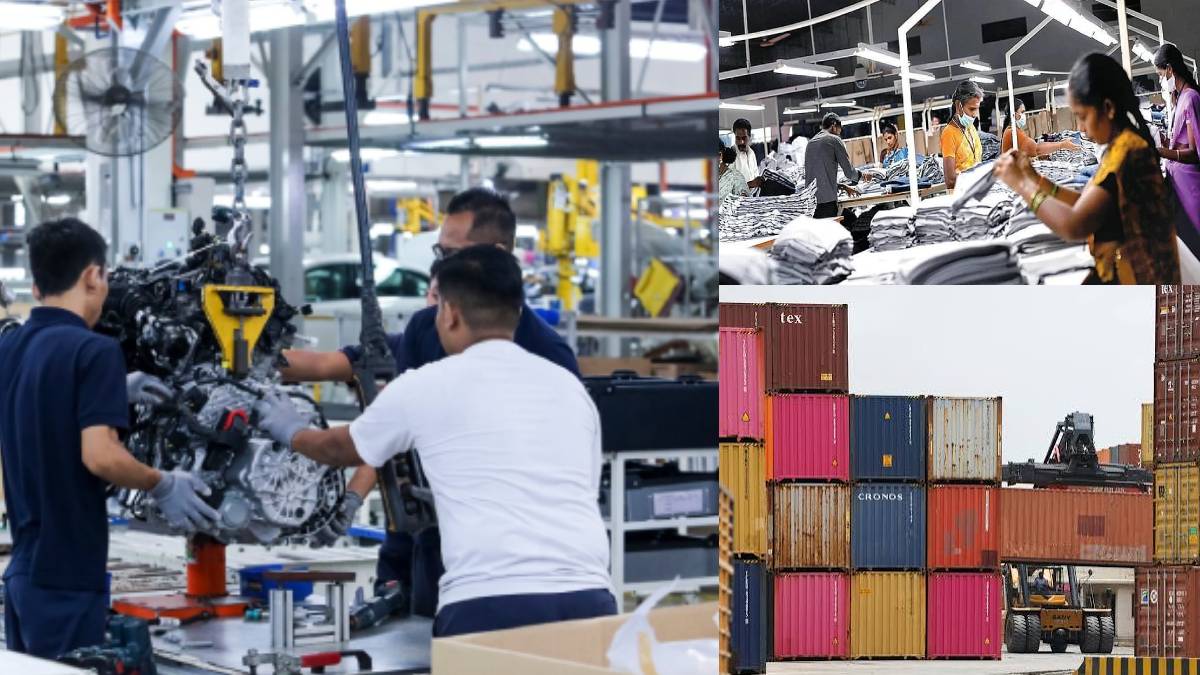
The plan aims to identify products and sectors where domestic production is more likely to be expanded, so that Indian manufacturers can meet local demand that is currently met by imports. By encouraging local industries to grow their production, the government will reduce the country’s import bill, create jobs for all and strengthen the supply chain’s resilience.
Import substitution has become an important part of India’s economic strategy, especially in sectors that are key to long-term growth and national security. These include electronics, semiconductors, machinery, renewable energy equipment, pharmaceuticals, chemicals, defence manufacturing, industrial components, textiles and advanced manufacturing technologies.
The initiative complements flagship projects like Make in India, Production-Linked Incentive (PLI) schemes and Atmanirbhar Bharat to promote domestic manufacturing and attract investment for India to be globally competitive in global markets.
Reducing import dependency will help India’s economy by improving the trade balance and encouraging more value addition in the country. Rising local manufacturing also could lessen exposure to global supply chain disruptions, which were a major concern during the COVID-19 pandemic and subsequent geopolitical tension.
Industry experts say achieving the target will require significant investments in manufacturing infrastructure, research and development, technology adoption, logistics and workforce skill development. Ease of doing business and access to finance will also be necessary for domestic companies to compete with imported products.
India has already made big progress in the manufacturing sector. Mobile phone production has grown rapidly in recent years, making the country one of the world's largest smartphone manufacturing centres. Electronics assembly, defence production, renewable energy equipment, and automobile manufacturing are also being developed as well.
The government will also have to encourage more participation from the private sector as well as help micro, small, and medium enterprises (MSMEs) in the manufacturing ecosystem in India. Strengthening the domestic supply chains can enable MSMEs to be integrated into larger industrial networks to increase their competitiveness at home and abroad.
In addition to reducing imports, the strategy will give India a better export-oriented economy. As manufacturing capacity is built and the economy expands, Indian companies will be able to not only grow the domestic market but also export more to global markets, contributing to higher foreign exchange earnings and sustained economic growth.
Economists stress that effective import substitution should be aimed at improving competitiveness and not just at importing less. It will be very important to develop a globally competitive industry in innovation, quality improvement, and technology development in the future to have a successful long-term.
The initiative is also in line with India’s aim to become a developed economy by 2047, and manufacturing will be a key driver of employment, industrial output and GDP growth.
If implemented, replacing $189 billion worth of imports with domestic production would be one of India’s largest industrial shifts in recent decades. It would strengthen the country’s economy, foster innovation, create millions of jobs and cement India as a global manufacturing hub.