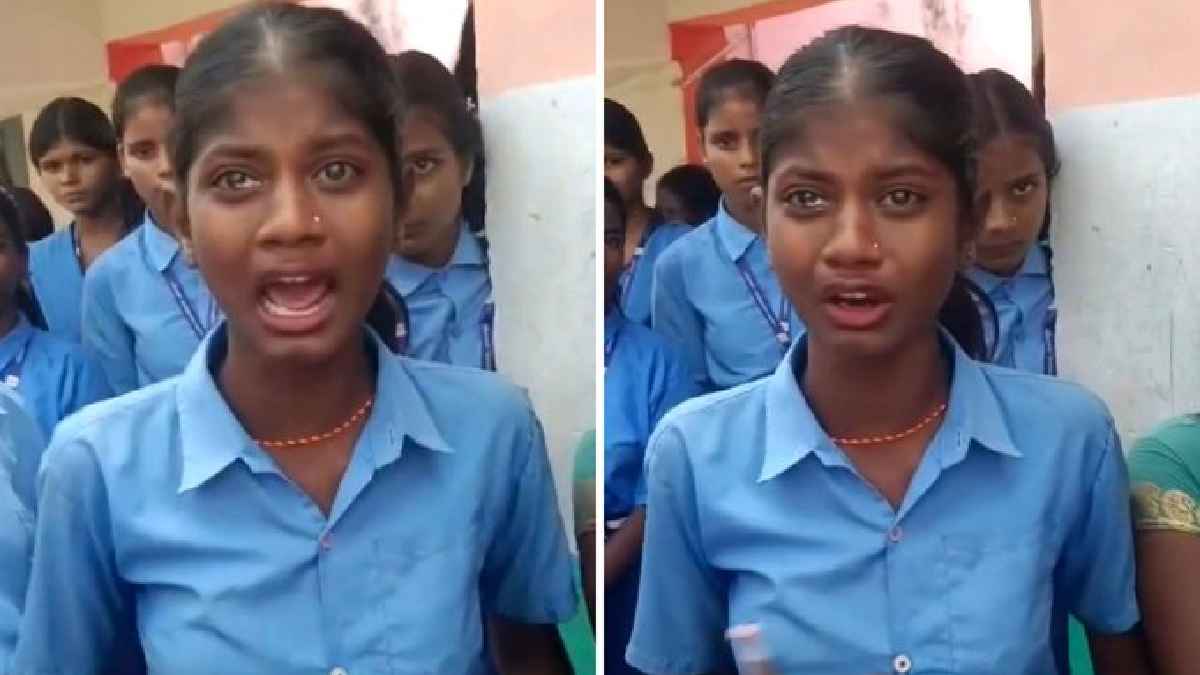
India is the world's youngest large nation with the largest Generation Z population. With millions of young people entering college and embarking on jobs and consumer trends, Gen Z has come to be one of the most influential demographic groups in India. Yet it is not the youngest population in the world that is the biggest in India: it is a demographic paradox that shows the relationship between the population (and voters) and the eligibility of voters.
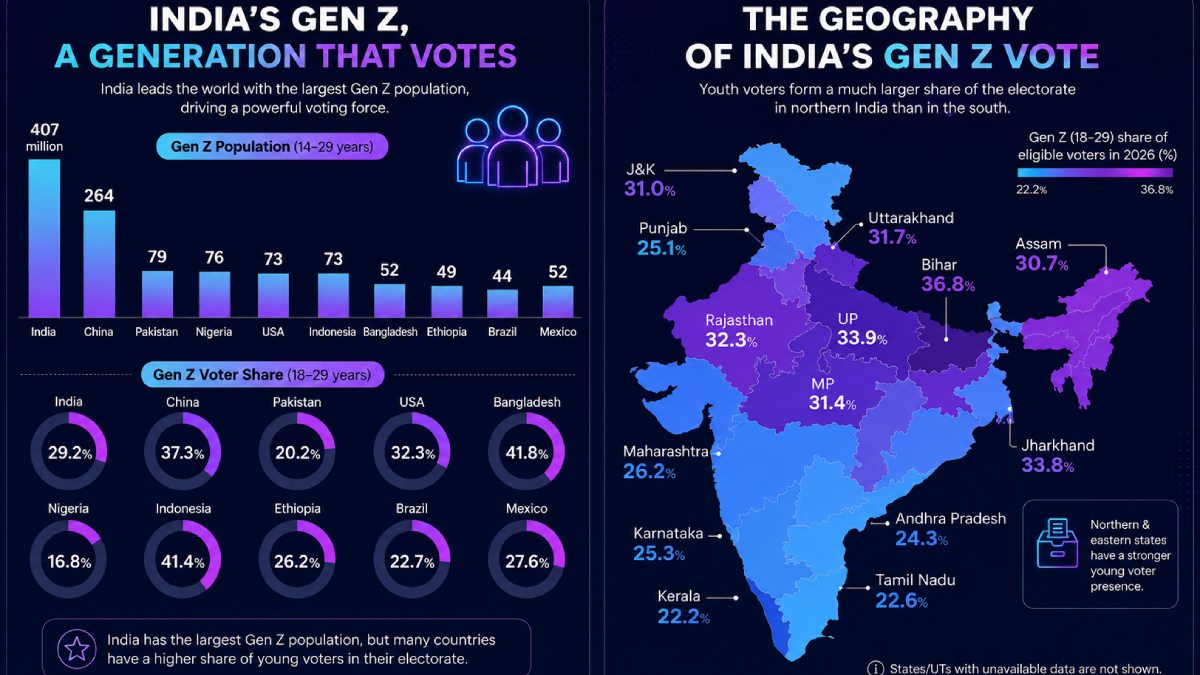
According to global demographic estimates, India has more than 370 million Gen Z citizens (generally defined as those born in the mid-1990s to early 2010s). India is now the largest Gen Z-based country internationally, ahead of countries like China and the United States. India's young population has long been considered as a demographic dividend that could drive economic growth, innovation, and social transformation.
But when we come to voting, it looks quite different.
While India has a large number of young voters, its electorate also contains a large number of middle-aged and elderly citizens. This is because India’s voting population reflects decades of population growth instead of recent demographic changes. All citizens aged 18 years and above can vote, so the electorate is a cumulative representation of multiple generations rather than Gen Z alone.
Young adults account for a larger proportion of eligible voters in many developing countries with lower life expectancy or more recent population booms. India, on the other hand, has continued to see improvements in healthcare and life expectancy over the past several decades. So older generations still make up a significant and growing fraction of the voting population.
The country’s electoral rolls now include hundreds of millions of Millennials, Generation X, Baby Boomers, and senior citizens alongside first-time Gen Z voters as well. So while India has the highest number of young voters in the world, they are not the majority of the electorate.
Political analysts have a lot to say about this distinction when it comes to election campaigns.
Political parties cannot only focus on youth issues like employment, digital infrastructure, startup opportunities, or higher education. They must also address the problems of older voters—healthcare, pensions, inflation, social security, agriculture, and public welfare at once.
However, Gen Z is still a growing voting bloc. Every election cycle adds millions of first-time voters to electoral rolls, slowly increasing the generation’s political weight. Digital literacy and the prevalence of smartphones have also changed the way young Indians engage with politics.
In contrast with previous generations, Gen Z gets political information via social media, short-form videos, podcasts, and digital news as opposed to television or newspapers. Political campaigns have responded by investing heavily in online outreach, influencer collaborations, and targeted digital messaging to younger audiences.
But online engagement does not automatically translate into higher voter turnout. Many eligible young citizens still fail to register or participate in elections due to migration for education or employment, lack of awareness, or logistical challenges in updating voter registrations.
Urban youth participation, in particular, has often lagged behind expectations despite the high internet penetration and political engagement on social media. In the future, such efforts to increase the electoral participation of youth are also important for both the elections and civil society groups and governments to promote young people’s participation in the political arena.
The demographic profile in India is changing as well. Fertility rates have declined in most states, and generations of people in the future are not likely to be as large as older generations are now. India's electorate will gradually be more diversified by age group, as in other developed countries.
But Gen Z’s increasing economic influence, technological knowledge, and political awareness will have a big impact on how India’s democracy will continue to develop. Their interests from climate action and job security to education, entrepreneurship, and digital rights—are already affecting public conversation and policy debates.
India’s unique demographic story shows that having the world’s largest youth population does not necessarily mean having the youngest electorate. It reflects the vast and diverse population of the country, and that generations of people collectively determine the outcome of the world’s largest democratic exercise.