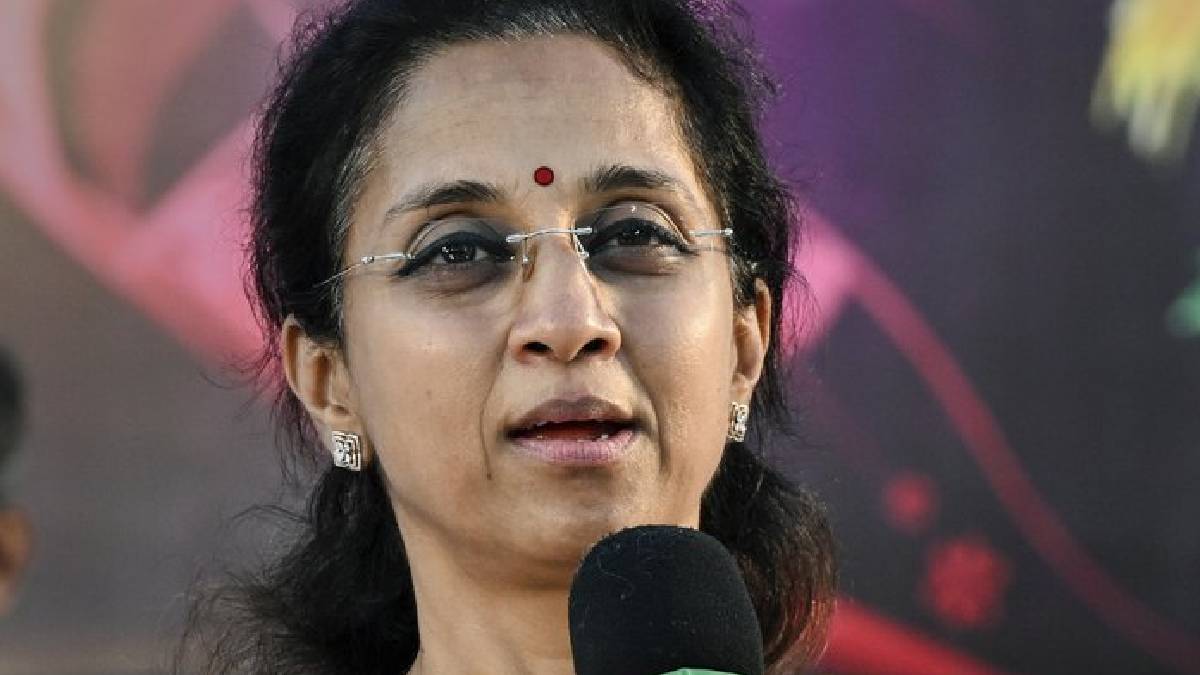
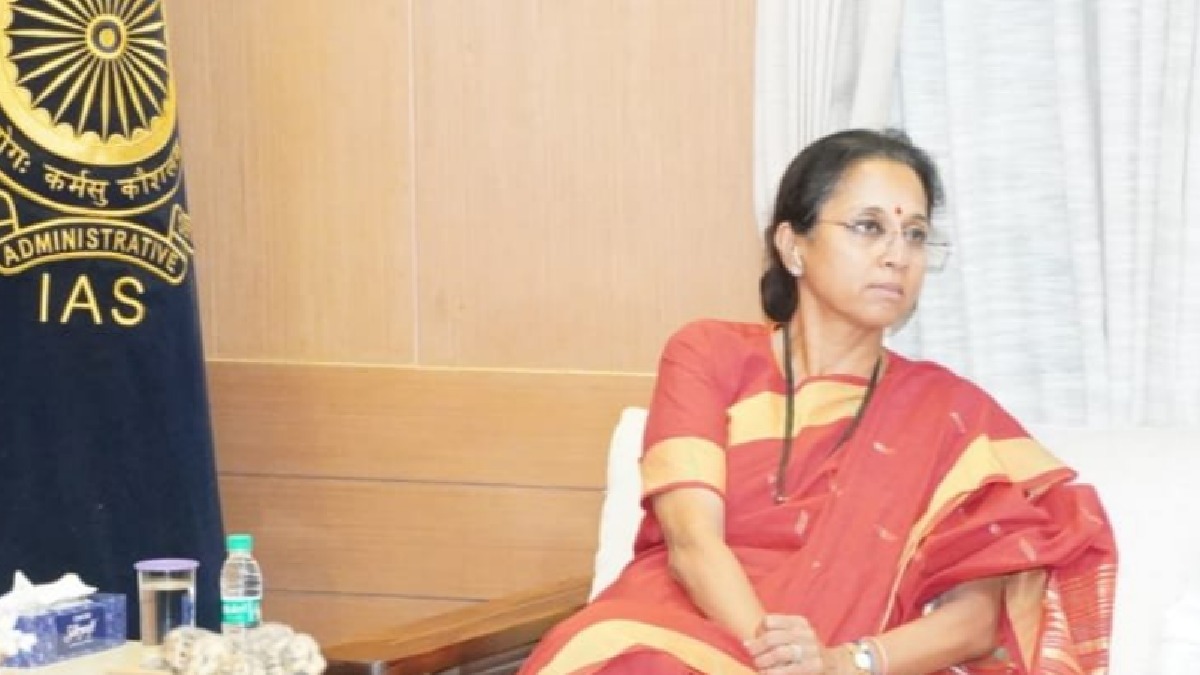
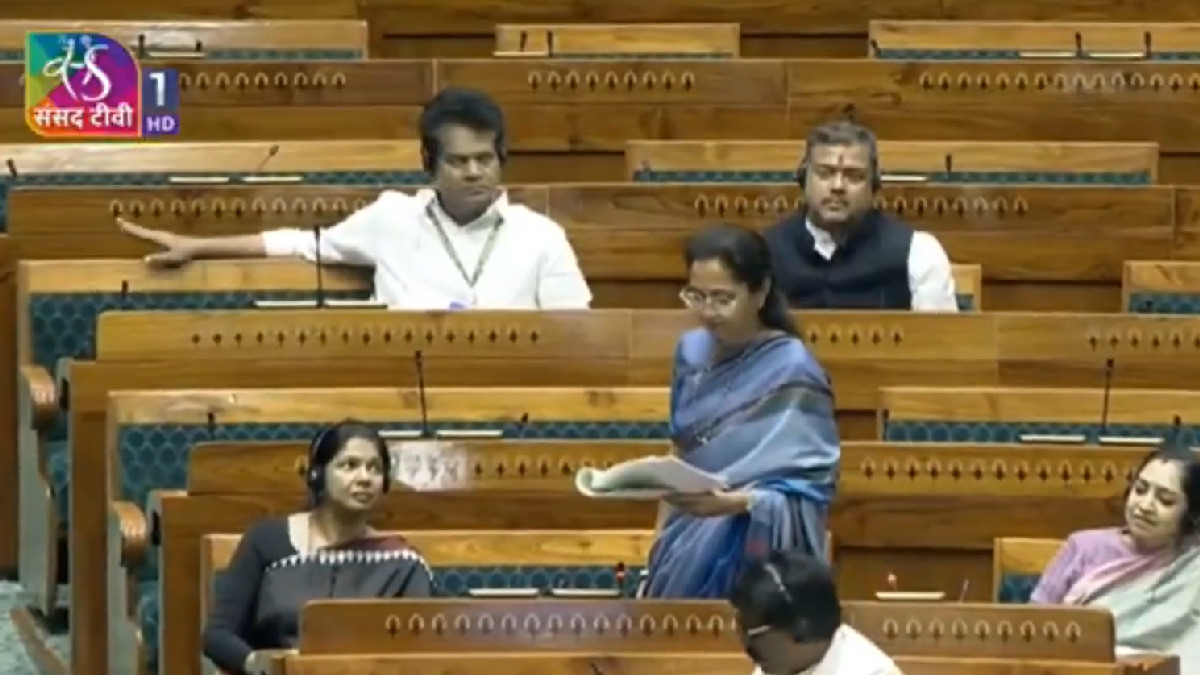
The Right to Disconnect Bill, 2025 is a Private Member's Bill introduced in the Lok Sabha by MP Supriya Sule. Its core purpose is to legally formalise an employee's right to disengage from work-related communication—including calls, emails, messages, and video calls—after their designated official working hours, and on weekends or holidays, without fear of disciplinary action. This legislative proposal stems from a growing global recognition that the constant connectivity fostered by digital tools, remote work, and hybrid models has severely blurred the boundaries between professional and personal life, leading to increased stress, burnout, and mental health issues among the workforce.
Key Provisions and Institutional Mechanism
The Bill is comprehensive in its attempt to establish a clear framework for work-life balance. Its key provisions include:
- No Obligation to Respond: The central tenet is that an employee is not obligated to reply to any form of electronic work-related communication outside of agreed-upon work hours. Critically, the Bill seeks to protect employees by ensuring no disciplinary action can be taken against them for exercising this right.
- Mandatory Negotiation: Companies with more than ten employees would be required to hold formal negotiations with their staff, unions, or employee representatives to clearly define the terms and conditions for after-hours communication. This acknowledges the diverse needs of different sectors and workplaces.
- Overtime Compensation: If an employee voluntarily chooses to work outside of official hours, such work must be done by mutual consent and must be compensated with overtime pay at the standard wage rate, aiming to curb the rise of unpaid, digitally driven overtime.
- Employees' Welfare Authority: The Bill proposes the creation of an Employees' Welfare Authority. This authority would be tasked with monitoring compliance, collecting data on after-hours work communication, issuing necessary guidelines, and framing enforcement mechanisms to protect the employee's right to disconnect.
- Penalties and Support: The Bill suggests imposing a penalty on employers who violate the regulations, possibly up to 1% of the total remuneration paid to their employees. It also includes provisions for establishing digital detox centres and providing counselling services to raise awareness about the reasonable use of technology.
Can the Right to Disconnect Bill Clear Parliament?
While the Right to Disconnect Bill is widely welcomed by the modern workforce and highlights a crucial public issue, its likelihood of clearing Parliament and becoming law faces significant structural and political challenges:
- Status as a Private Member's Bill (PMB): The Bill is a Private Member's Bill, meaning it was introduced by an MP who is not a minister. In the Indian parliamentary system, PMBs have an extremely low success rate. Since 1970, no PMB has been passed by both Houses and received Presidential assent. While PMBs serve the important function of bringing crucial issues into public and legislative debate, they are rarely converted into law and are often withdrawn after the government provides its official response.
- Government Priority and Economic Climate: Legislation introduced and supported by the ruling government has a much higher chance of passage. Given the current national focus on economic growth and attracting foreign investment, the government may be hesitant to support a law that could be perceived by businesses, especially multinational corporations, as restrictive or adding to the 'cost of doing business' in India. This concern is heightened in the context of recent debates where some industry leaders have advocated for significantly longer working weeks.
- Ambiguity and Implementation Challenges: Critics may argue that, despite the provisions, defining "emergency" or proving subtle employer pressure to respond after hours could be challenging to implement and monitor across various sectors, particularly for smaller enterprises. The success of the Bill would rely heavily on the establishment and effective functioning of the proposed Employees' Welfare Authority.
This Bill is highly significant for raising awareness and starting an urgent national conversation about mental health, burnout, and work-life balance in the digital age—mirroring laws already enacted in countries like France and Portugal—its passage is improbable due to the nature of the legislative process for Private Member's Bills in India. However, the proposals could influence future government-introduced labour code amendments or encourage companies to voluntarily adopt stricter work-life policies.