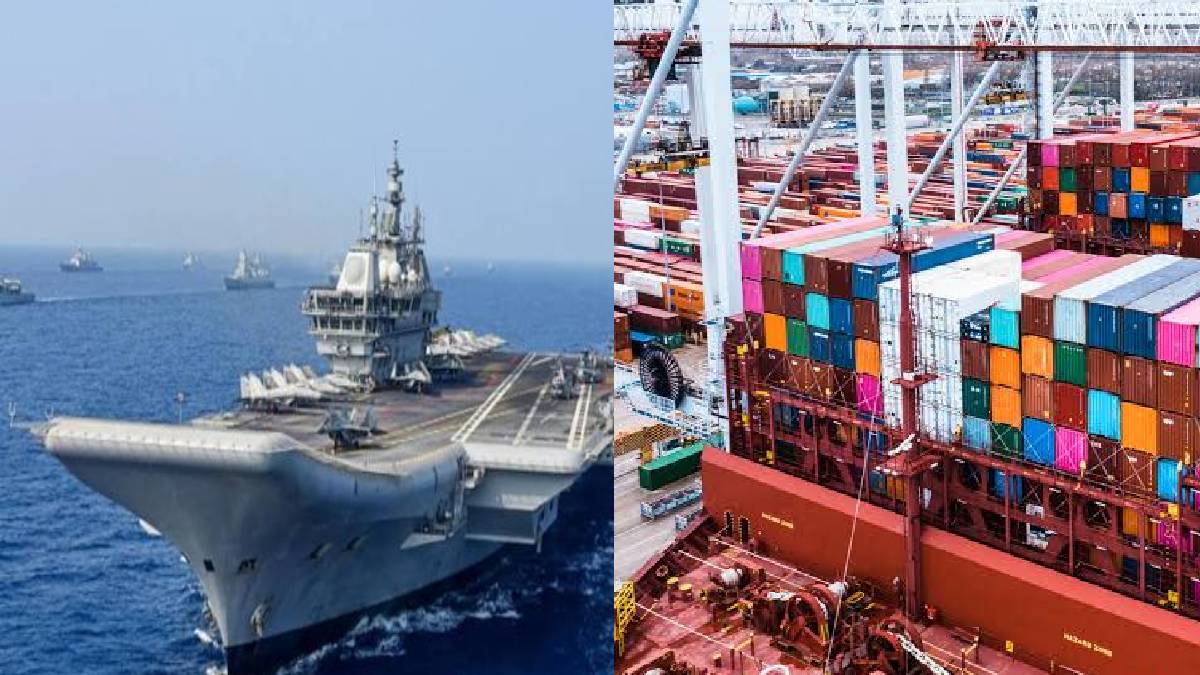
India was able to safely carry out the safe passage of about 60 Indian-flagged merchant ships through the Strait of Hormuz during the recent Gulf crisis due to the country’s maritime preparedness and commitment to protecting its shipping interests.
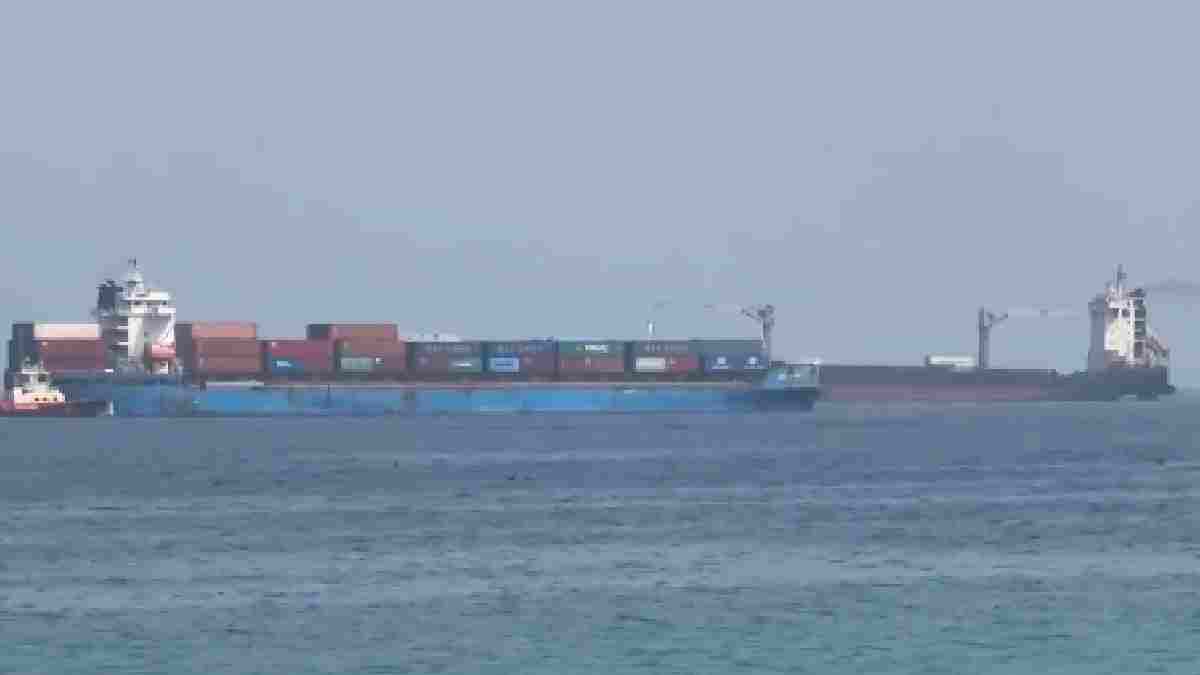
The Ministry of Ports, Shipping and Waterways said a coordination of efforts of the government from various government agencies was needed in order to keep maritime trade going through a time of high regional tensions and trade and oil and gas flows was maintained in the Strait of Hormuz, one of the world’s busiest and most important shipping routes.
The Strait of Hormuz is a key gateway to international oil and gas transportation routes. If there is disruption in the region, international trade and energy supplies could be affected.
So the Indian authorities were aware of the security situation in the Gulf and constantly communicating with ship operators, port authorities, and maritime services in the Gulf. Thus, Indian ships were provided with timely navigation guidance and security warnings while travelling through the waterway.
The Ministry said India worked closely with the Indian Navy, Directorate General of Shipping, shipping companies, and international maritime organisations.

The collaboration helped vessels carrying essential cargo i.e., crude oil, petroleum products, fertilizers and other commercial goods to continue their voyages without major disruptions.
The real-time monitoring systems and maritime intelligence were very effective to assess risks, officials said. Merchant ships were updated on routing plans and emergency response guidelines and operational support whenever required.
This proactive approach minimised time-consuming processes and also increased confidence for Indian shipping companies.
The Strait of Hormuz is still one of the most strategic maritime chokepoints in the world, with a significant share of global energy exports passing through it every day. For India, which imports a large portion of its crude oil from Gulf nations, security of shipping routes is key for energy security and economic stability.
The government also reaffirmed its commitment to safeguarding Indian seafarers working on merchant vessels in international waters.
In the meantime, the safety and welfare of crew members were kept in constant touch with shipping companies.
Industry experts said uninterrupted shipping of merchant ships has helped avoid supply chain disruption and protect India’s trade interests in a time of geopolitical uncertainty.
The close cooperation between civilian maritime institutions and security forces underlined India’s growing maritime domain awareness and crisis management skills in an international context.
The security measures of India will be reinforced at sea level, surveillance capabilities developed, and cooperation with other countries will continue as a way to ensure that safe navigation through sea lanes. Digital maritime surveillance, information sharing, and emergency preparedness are the key priorities.
The smooth passage of 60 Indian ships through the Strait of Hormuz for the Indian ship was an indication of the country’s ability to handle global security problems and to keep the flow of essential imports and exports flowing.
As global maritime security and economic interests continue to be threatened by political tensions,
India’s proactive maritime strategy will become a very important factor in the security of India’s economy and it will continue to be the basis of its development.