India’s semiconductor ambitions are gaining new momentum with the government taking up investment proposals of about $11-12 billion under the second phase of its semiconductor programme, Semicon 2.0.
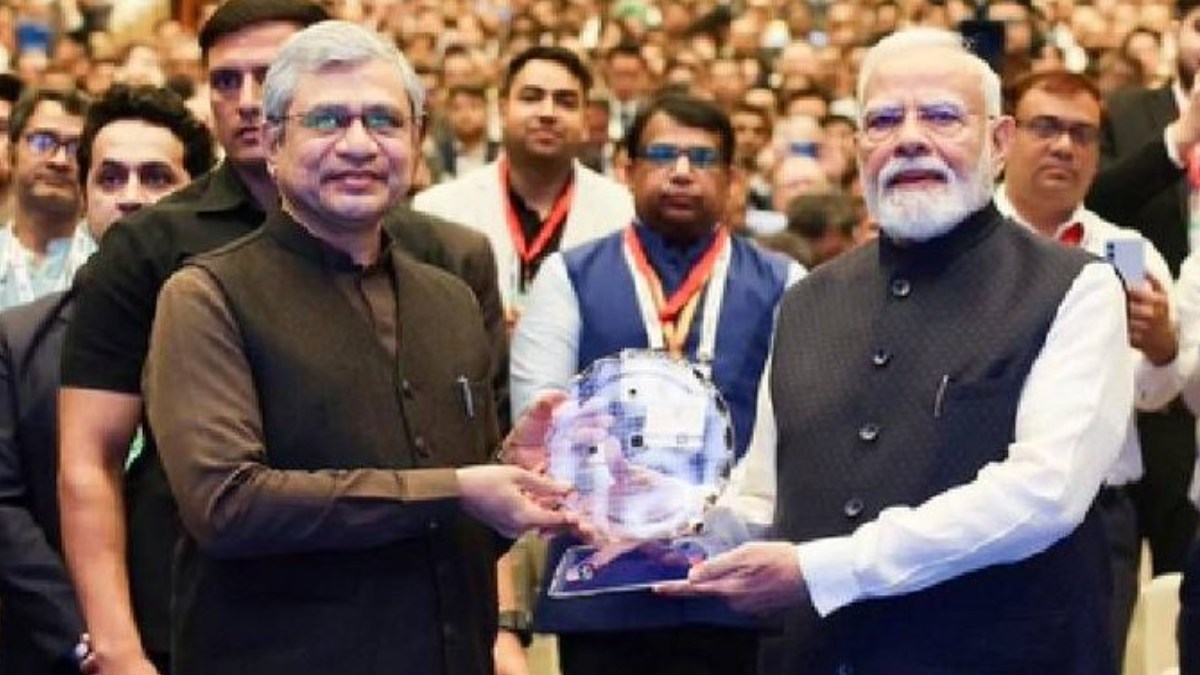
Union Electronics and Information Technology Minister Ashwini Vaishnaw said the investment in Semicon India 2026 will come at the same time companies looking to expand across the semiconductor value chain are showing interest. It could be almost ₹1 lakh crore and we will make the investment in the next two to three years in such a way that the company boards and shareholders approve it.
The latest investment interest is meaningful because Semicon 2.0 is not only designed to focus on semiconductor fabrication, but also to build a wider domestic ecosystem around chip design, semiconductor machinery, materials, fabrication facilities, advanced packaging, research and development and talent development. Government information says that it was approved in July 2026, with a total budget of ₹1,27,500 crore. The objective is to enhance the capabilities developed in the first phase and build a more complete semiconductor value chain in India.
Vaishnaw stated that investments in the investment proposals are in multiple critical segments of the semiconductor supply chain: semiconductor equipment, materials, gases, chemicals and substrates, and assembly, testing and packaging. This wider focus reflects the increasing importance of having suppliers and supporting industries closer to chip manufacturing facilities. Companies can use a domestic ecosystem to access materials, equipment and specialised services while also training technical personnel.
The government has not disclosed all companies with investment pipeline that would be part of the $11-12 billion investment pipeline. Vaishnaw said those companies were not ready to announce their plans publicly and would only announce them once their boards and shareholders had approved them. So the figure is about investment interest and proposals as opposed to money already spent in India. That distinction is important, because the projects will go forward in their respective approval, financing and implementation schedules.
Semicon 2.0 is structured around six areas to enhance India’s position as a player in the global semiconductor industry. These include chip design, machinery and materials, new fabrication facilities, advanced packaging, research and development and talent development. By working together with these areas, in order to achieve capabilities such as semiconductor intellectual property and design will be enabled as well as manufacturing and packaging.
The investment pipeline also comes at a time when semiconductor supply chains are getting a lot of attention worldwide. Chips are essential for smartphones, computers, automobiles, telecommunications equipment, artificial intelligence systems, data centres, electric vehicles and a wide range of industrial applications. So India has identified semiconductor manufacturing and related technologies as an important part of its long-term electronics and technology strategy.
The first phase of India’s semiconductor programme laid a foundation for domestic manufacture; Semicon 2.0 aims to build on that and penetrate a wider ecosystem. The government has said the second phase will expand domestic capabilities in areas that were previously dependent on international supply chains. The programme is meant to cover the semiconductor chain from raw materials and design to manufacturing and finished chips, the Press Information Bureau says.
But talent development is also a major part of the programme. The government is working to increase semiconductor training and develop a larger number of technicians, engineers and researchers. Industry reports have indicated that the wider ecosystem could generate close to one lakh jobs as investments and projects expand.
Recent news from big global semiconductor companies also added momentum to India’s technology manufacturing ambitions. Applied Materials, for instance, announced plans for a $5 billion investment in India over the next 10 years, focused on research and development, supply-chain expansion and workforce development.
🚨 The Indian government has received investments worth $11-12 billion under Semicon 2.0, the second phase of India’s semiconductor program. pic.twitter.com/GISSA2R1fM
— Indian Tech & Infra (@IndianTechGuide) September 18, 2026
With $11-12 billion in investment proposals now associated with Semicon 2.0, India is going to create an ecosystem that extends far beyond chip fabrication. These two to three years will be critical as corporate approval and project implementation are both in place. If these plans were to work out as outlined, India’s abilities in semiconductor design, manufacturing support, packaging, materials, research and skilled employment could be expanded, further integrating India into the global semiconductor supply chain.