India-Bangladesh relations will see a fresh diplomatic push in the near future with Bangladesh Prime Minister Tarique Rahman going to visit New Delhi, according to reports on September 18. India and Bangladesh have resumed official talks to organise the visit, and an agreement is already in place to work out a suitable schedule. The trip to India has been delayed because of India-Bangladesh disputes and diplomatic sensitivities between the two neighbouring countries.
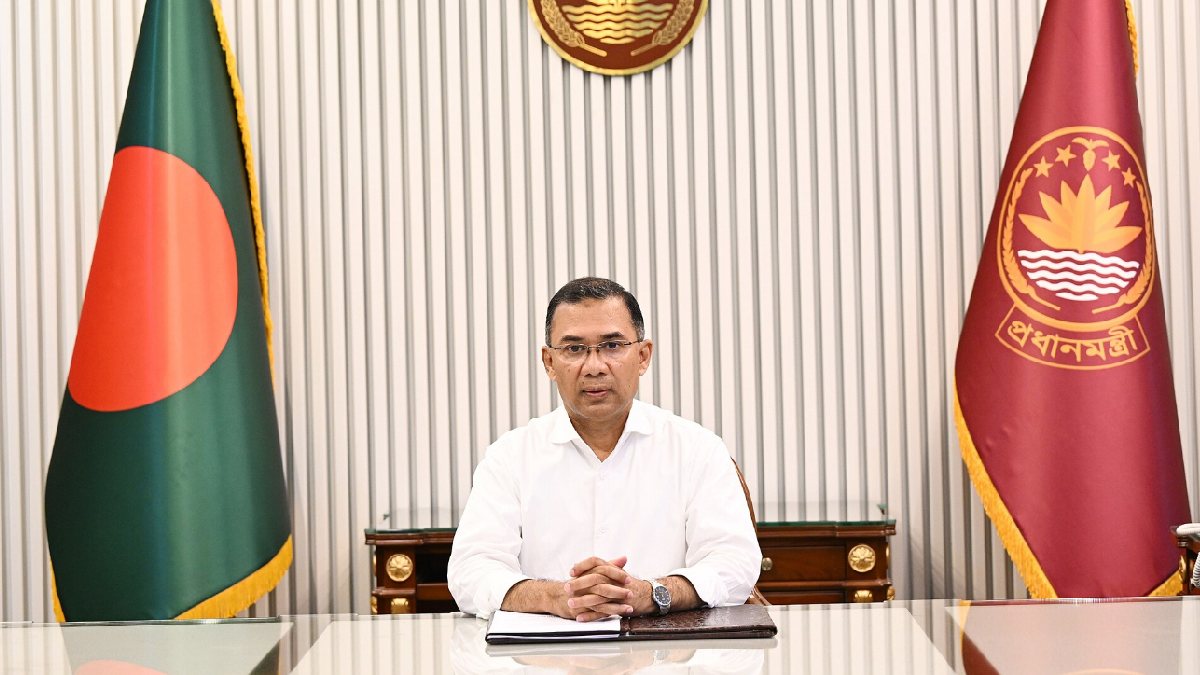
The possible November visit is being viewed in the context of efforts by both sides to rekindle the high-level relationship. Bangladesh has recently announced in a statement that it wants to reset its relationship with India and build a bilateral relationship based on mutual interests. Dhaka wants to address its relationship with New Delhi in a direct bilateral way instead of allowing differences to dominate the wider relationship.
If the visit goes ahead, a number of longstanding bilateral issues are likely to be discussed with Prime Minister Narendra Modi and Tarique Rahman. Border management, illegal migration, trade and water-sharing issues will also be the focus. Renewal of the 1996 Ganga Water Treaty will also be important to the two countries, as the contract is about to expire. The Teesta water-sharing issue has also been under discussion between the two countries for some years.
The visit comes after Rahman did not attend the BRICS Summit in Delhi hosted by India earlier this month. Bangladesh claimed Rahman had been invited to the summit as the chair of BIMSTEC, not as the prime minister of Bangladesh. India, however, claimed Rahman had received an invitation for the BRICS outreach programme as BIMSTEC chair, with a separate bilateral invitation also extended to him. India's Ministry of External Affairs said at the time it had not received any confirmation on the separate bilateral visit.
Despite the BRICS-related blow, Dhaka has kept open the possibility of a separate bilateral trip. Bangladeshi officials have said whenever a visit is feasible and the diplomatic atmosphere is right for it. But they also have called for mutual respect and a relationship based on shared interests.
India, for its part, has continued to engage with Bangladesh's new leadership. Dinesh Trivedi, the Indian High Commissioner to Bangladesh, has met with senior officials including Tarique Rahman. Rahman's visit is a decision for the Bangladeshi prime minister, while New Delhi said it has expressed interest in meeting Rahman for a bilateral visit.
One of the most sensitive issues in the relationship is former Bangladesh Prime Minister Sheikh Hasina, who has been in India since leaving Bangladesh in 2024. Dhaka has called for her extradition after she was sentenced to death in absentia in November 2025 by a Bangladeshi tribunal for an alleged role in the crackdown on protesters in Dhaka in November 2025. Hasina has denied the charges. India said Bangladesh's request for extradition is being examined under current law and procedures.
The Hasina issue has complicated efforts to improve bilateral ties. Bangladesh has repeatedly pointed out that the issue is important, while India has kept lines of communication open with the current government in Dhaka. The issue might well be part of the political discourse over Rahman's next visit.
Economic ties are also another area in which both countries are interested in dialogue. India-Bangladesh cooperation has historically featured trade, connectivity, border management and people-to-people relations. A high-level meeting would allow for practical progress in these areas and to resolve disputes.
Hence the reported November visit is being considered as a possibility of direct engagement between the two governments after months of diplomatic uncertainty. But the date and agenda have not yet been publicly finalised. Both sides are looking for a feasible window in November with Rahman's international and domestic diplomatic travels going on, it is now clear from recent reports.
A direct meeting between Modi and Rahman would bring up a number of sensitive issues for India and Bangladesh, including water-sharing negotiations, trade, border issues and the extradition request of Hasina. The outcome would depend on the agenda laid out by both countries and the positions taken in the talks. It is for now that the fact the talks are resumed means both New Delhi and Dhaka are still looking at a path of re-engaging in bilateral relations.