The Indian sugar industry will continue to face new challenges every year, but maintaining a balance between farmers, sugar producers and consumers remains one of its biggest priorities.
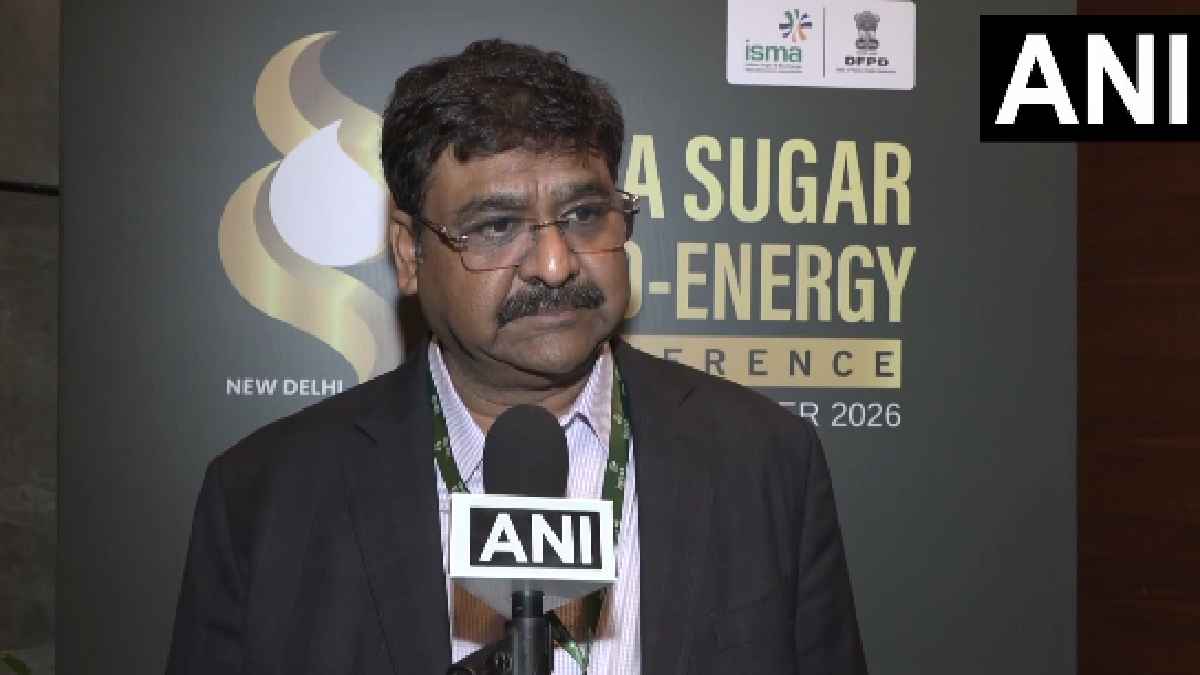
At the India Sugar & Bio-Energy Conference 2026 in Delhi, Ravi Gupta, Executive Director of Shree Renuka Sugars Ltd., said that this balance must be maintained to grow the industry.
Gupta said the sugar industry is essentially based on three kinds of stakeholders farmers, industry and consumers. He said balancing the interests of all three is the biggest challenge for the sector.
The sugar industry undergoes fluctuations in the market and the market dynamics change often. Some years there can be excess sugar production and other years there might be more balance between supply and demand. These changes can be new for producers and for policymakers and can have many effects on the sugar market ecosystem.
Gupta said that every year brings a new set of circumstances for the sugar industry. Output, consumption, supply and demand dynamics can all affect how the industry operates. That is why it is important for the sector to change the way they work and not depend on a fixed approach.

At the same time, he also pointed out the positive change that has occurred in recent years in India’s sugar industry the efficiency of the Indian sugar industry. Gupta said technological advancements have helped to improve the efficiency of the sector.
Technology has enabled the industry to modernise and respond more rapidly to changing conditions. Technology adoption is becoming more and more important as sugar companies want to maximize productivity and manage resources and remain competitive.
#WATCH | Delhi: On India Sugar & Bio-Energy Conference 2026, Executive Director Shree Renuka Sugars Ltd Ravi Gupta says, "... The sugar industry will always have one challenge or another. The main fundamental challenge will be to balance the interest of the farmer, industry, and… pic.twitter.com/ovGfxyuAfo
— ANI (@ANI) September 10, 2026
A balance between farmers, producers and consumers is particularly important because decisions affecting one group can have an impact on the others. Farmers need sustainable returns for sugarcane cultivation, and mills need economically viable operations.
Consumers are affected by the availability and pricing of sugar.
So equilibrium between these interests is important in order to maintain the stability of the industry. Although challenges such as surplus production and shifts in supply and demand may continue to emerge, improvements in technology and efficiency could help the sector manage these pressures more effectively.
Gupta’s remarks show how the sugar industry is evolving from one that is built around traditional production methods to one that is becoming increasingly technology-driven and efficient.
How the industry will change in response to changing market conditions and how it will protect the interests of the three key stakeholders will be crucial over the years ahead.
With each new production cycle bringing different opportunities and challenges, the Indian sugar industry is expected to continue adapting to changing supply-demand conditions.
The focus on efficiency, technology and stakeholder balance could play an important role in shaping the sector's future.