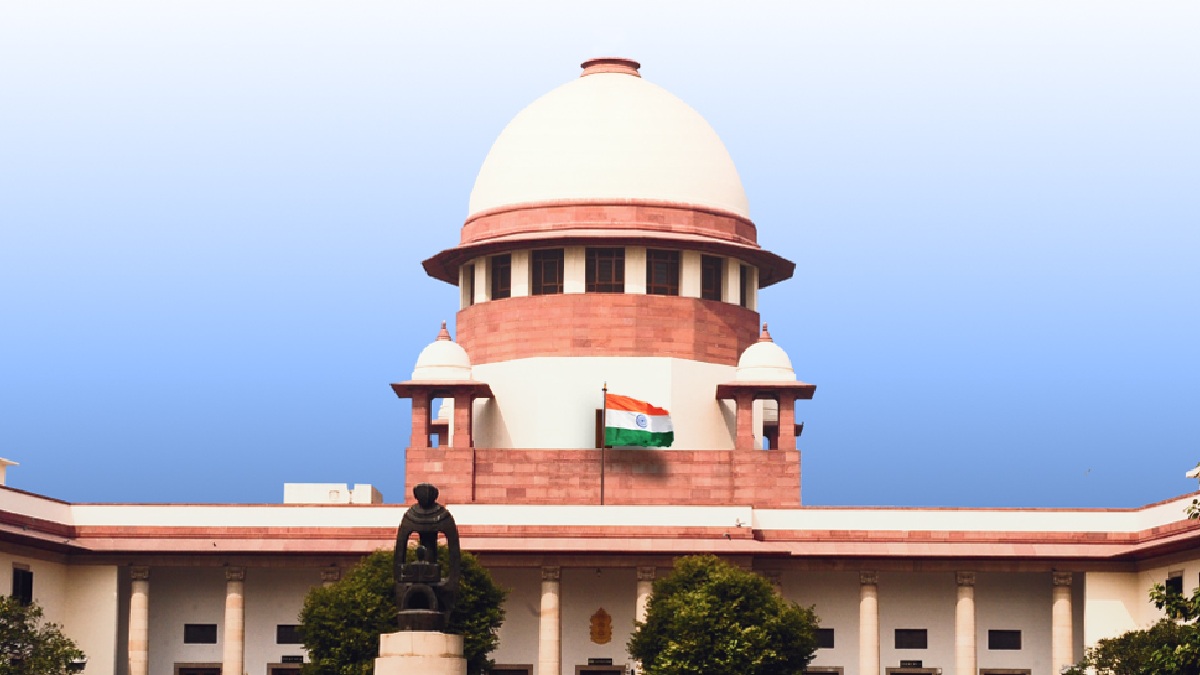
India’s ambitious ethanol-blending programme is facing a new challenge as sugarcane availability and rising sugar prices may prompt the government to limit sugarcane use for ethanol production starting October. The policy shift will be needed to reconcile India’s energy security objectives with the requirement for domestic sugar production to remain adequate and not cause a generation of high sugar prices.
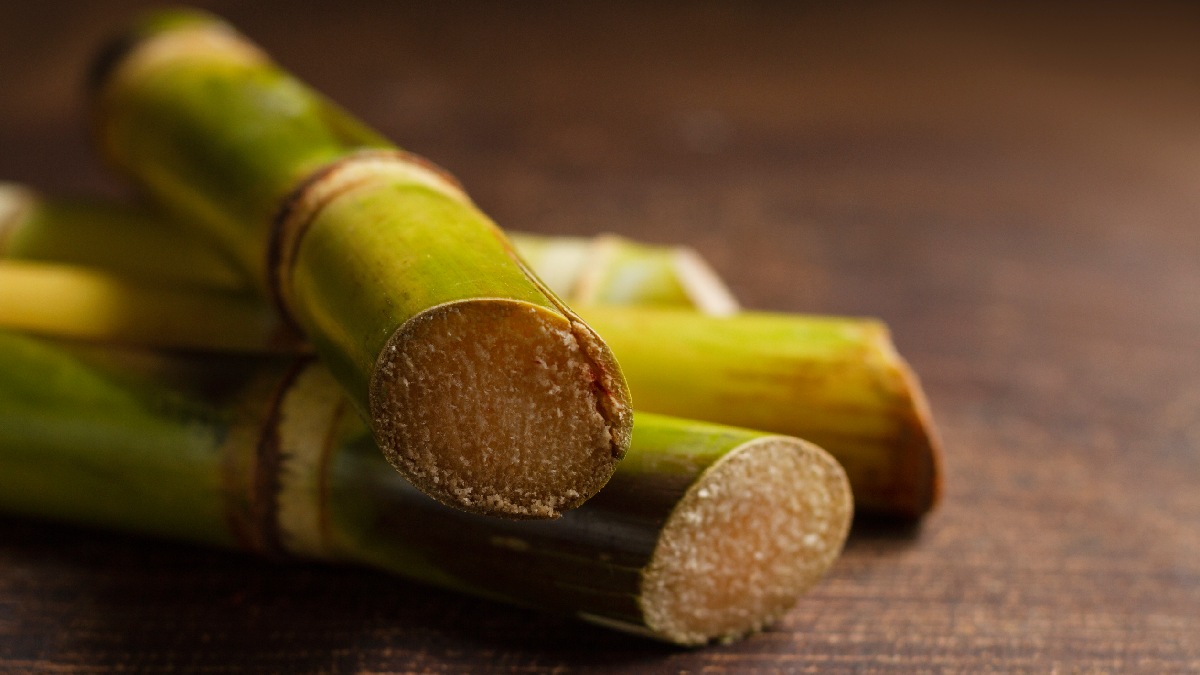
The availability of sugarcane and sugar is going to be a key consideration as the next ethanol supply year is due to start in October. Sugar mills have also increasingly focused on diverting sugarcane and its by-products to ethanol production in order to reduce the dependency on imported crude oil. But tighter supplies have raised questions of whether a greater share of the crop should be used for fuel rather than food.
The issue highlights the delicate balance between India’s clean-energy ambitions and food security. Ethanol blending has become a key component of the country’s strategy to reduce petroleum imports, lower fuel-related emissions and create a new source of income for sugar mills and farmers. But with sugar prices still a concern, policymakers will have to ensure that fuel production doesn’t make shortages more likely or make a basic food commodity more costly to consumers.
The ethanol debate has also been accompanied by drivers’ concerns about vehicle performance, mileage and engine problems with higher ethanol blends. Reddy recently showed the burning characteristics of ethanol in a video and said ethanol is cleaner than petroleum-based fuels. The intent of the video was to get the word to the public so they could see the benefits of ethanol as a transportation fuel.
Supporters of India's ethanol programme say that increasing domestic ethanol production can yield a number of economic and environmental benefits. Ethanol blending could reduce the amount of petrol required from overseas suppliers (e.g., reducing the oil import bill of India). It can also create a new market for agricultural commodities and allow sugar mills to make another source of revenue in times of weak sugar prices.
But there are concerns about the potential for unintended consequences if too much sugarcane is directed toward fuel. Sugar is a fundamental part of the Indian diet and food and beverage companies use it extensively. Low sugar production or a shortage of sugarcane could drive up prices. If domestic ethanol supplies become depleted because of the sugarcane-based production restrictions, India may be forced to import ethanol to meet blending targets.
In fact, the growing focus of the government on maize-based ethanol is one possible route. Unlike sugarcane, maize can be used for fuel production without a huge reduction in sugar. So the expansion of ethanol from grains could help India to achieve its blending goals while also allowing for policy to protect sugar supply.
By migrating to maize and other feedstocks, the shift in feedstock may be part of a long-term industry expansion in India’s ethanol programme to diversify. Greater reliance on several agricultural raw materials could make the fuel programme less dependent on movement in sugarcane production and make it less susceptible to fluctuations in sugarcane production. At the same time, increased maize demand could be another challenge; if it is also needed for food, animal fodder and other industrial uses, the food is also a food product and the animal feed industry can be a huge industry sector.
India's ethanol strategy has thus evolved into a more complex process. The initial focus was largely on rapidly increasing blending to reduce oil dependency but governments need to consider the long-term effects on agriculture, food prices, farmers and consumers. The upcoming sugar season could be an important test of how clean-fueled India can achieve its clean-fuel goals without an overburdening of domestic sugar production.
Any restriction on sugarcane diversion could have very lucrative consequences for the sugar industry. Mills have invested in distilleries and ethanol plants in expectation of continued fuel sector demand. If feedstock policy changes, they would need to change their production plans, and farmers could also see changes in demand for sugarcane depending on how mills adjust their operations.
Ultimately, India's ethanol programme will likely evolve rather than be abandoned. The challenge for the government will be to strike the right balance between energy security, environmental objectives and food affordability. More maize and other feedstocks might help to alleviate sugarcane pressure, and more rigid limits on sugarcane-based ethanol may help to maintain sufficient domestic sugar sources.
As the October ethanol supply year approaches, decisions will be closely watched by sugar mills, farmers, fuel companies and consumers. The outcome could influence India’s ethanol blending strategy in the next years and the extent to which it will be able to pursue cleaner transport fuels while safeguarding food commodities availability and affordability.