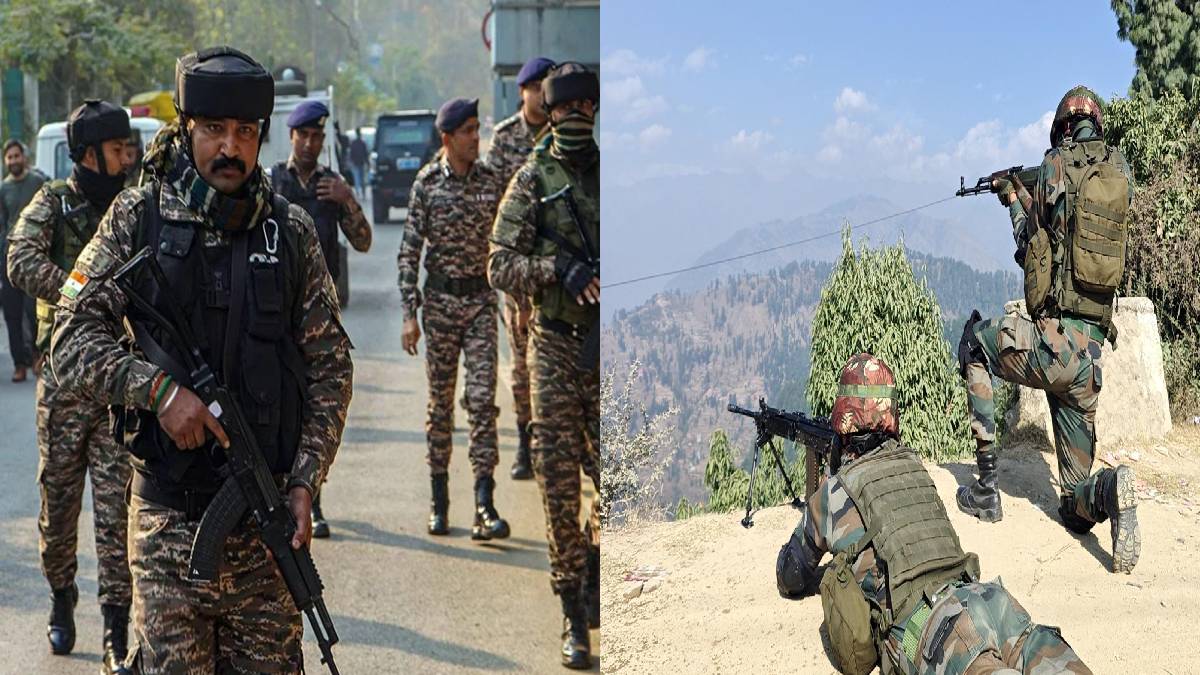
India is once again moving closer to one of its most ambitious defence reform plans in its history: the creation of integrated theatre commands. Chief of Defence Staff (CDS) General NS Raja Subramani is expected to soon present the military's theatreisation roadmap to Defence Minister Rajnath Singh, potentially setting the stage for a transformation that has been in the making for nearly two decades.
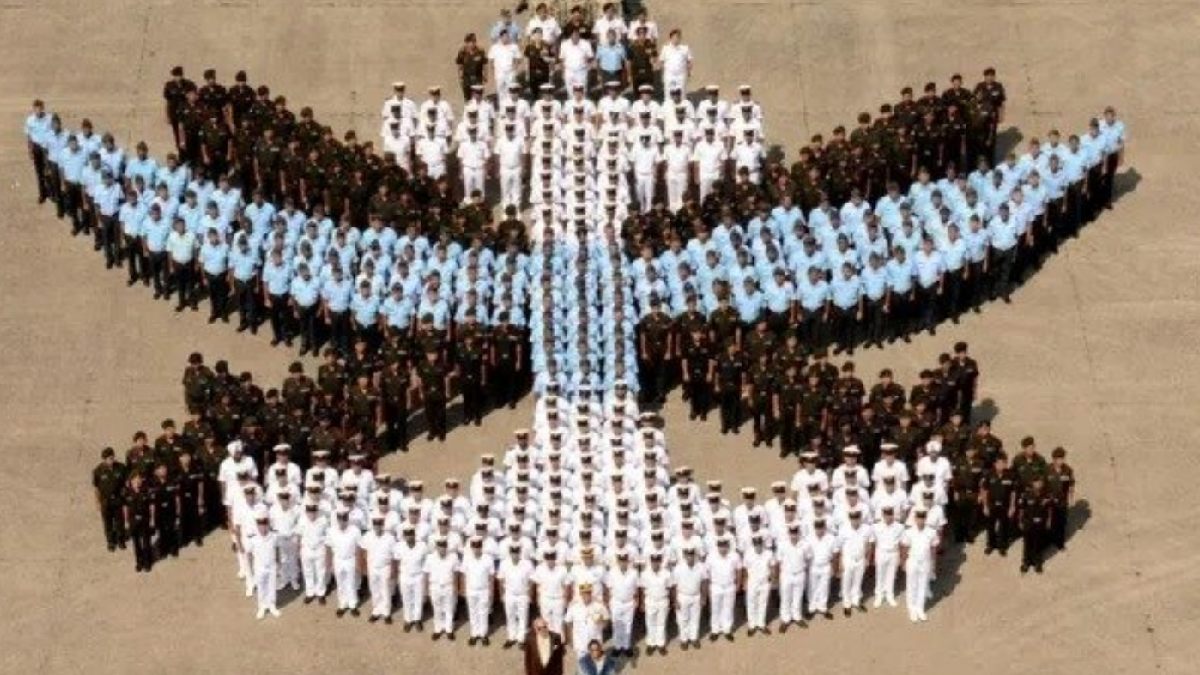
If implemented, the reform will fundamentally change how India's Army, Navy and Air Force prepare for and fight future wars, replacing the current service-centric command structure with a unified system designed for modern multi-domain warfare.
What are theatre commands?
The Indian armed forces are currently operating with 17 operational commands, seven under the Army, seven under the Air Force and three under the Navy. Each service plans and executes operations independently through its own chain of command.
Under the proposed theatre command system, these separate structures would be integrated. A theatre commander would oversee all military forces (Army formations, Air Force squadrons and naval assets) in a given geographical region or operational domain.
For example, if war came to India’s western border, one commander would command land, air and sea operations instead of the three services running separately.
What changes are being proposed?
According to the current proposal, India is expected to create three integrated theatre commands:
Northern Theatre Command to focus on the China border. Western Theatre Command to conduct operations on the Pakistan front. Maritime Theatre Command to cover the Indian Ocean region and India's broader maritime interests.
In addition, an Air Defence Command and integrated logistics structures will improve coordination, resource sharing and operational efficiency across all three services.
The proposed headquarters will be located in Lucknow for the Northern Command, Jaipur for the Western Command and Thiruvananthapuram for the Maritime Command.
Why does India need theatre commands?
The nature of warfare has drastically changed over the past decade. Today’s war is not only fought on land, sea or air. It’s now cyber warfare, drones, satellites, electronic warfare, long-range missiles and artificial intelligence all at once.
Military experts believe integrated theatre commands would have several advantages:
Faster decision making in crisis. Better coordination of the Army, Navy and Air Force. Better intelligence sharing. Less duplication of resources. Better logistics and operational planning. Greater capacity to deal with simultaneous conflicts on multiple fronts.
Recent wars like the Russia-Ukraine war and the Israel-Hamas conflict have only highlighted the need for coordination in all military areas.
How will the role of service chiefs change?
One of the biggest changes under the proposed system is the separation of operational command from force development.
Theatre commanders would be responsible for military operations and the Army, Navy and Air Force Chiefs of Staff would manage raising, training, equipping and modernising their forces.
This model, followed by several advanced militaries, allows operational commanders to concentrate entirely on combat while service chiefs build long-term military capability.
Why has the reform taken so long?
Theatreisation has faced many challenges. The majority of those who agree on the need for integration have a common understanding of the need to integrate.
The Indian Air Force has been unhappy that its small fighter aircraft fleet should be kept under centralised control rather than constantly transferred to different theatres. According to it, air power can be very agile and should be rapidly deployed across the country depending on the threat.
Other issues include command over strategic assets like transport aircraft, airborne early warning systems, aerial refuelling tankers and long-range missiles. Jointly developing decades-old operational doctrine, communication systems, logistics networks and administrative structures across the three services has also taken a great deal of consultation.
What is the comparison of India with other countries?
Most of the major military powers already have integrated theatre commands.
The United States’ military operations are managed by Unified Combatant Commands that each have a geographical or functional mission. China has reorganised its armed forces into five theatre commands in 2016 to better coordinate joint operations during an era of great military reforms.
India has already had some experience with integrated structures through the Andaman and Nicobar Command and Strategic Forces Command. However, the proposed theatre command system would extend joint operations across the country’s conventional military forces on an unprecedented scale.
What is next?
Much of the preparatory work has already been done, according to reports. The Defence Minister approved the concept in principle and the National Security Adviser, Chief of Defence Staff, and the three heads of the three services have also reviewed and discussed the framework. Joint operational instructions for all three services have also started replacing separate directives for each service.
If the proposal gets final approval, it would mark one of the most radical organisational shifts in India’s armed forces. Theatre commands do more than just establish new headquarters; they transform the way India coordinates and executes military operations so as to bring the Army, Navy and Air Force into one force that can respond quickly to the ever-evolving warfare environment.